Colombia halts arms purchases from US after end of anti-drug ally certification
The leftist government of Gustavo Petro made the decision after Donald Trump's administration deemed Bogotá's efforts to curb drug trafficking insufficient.
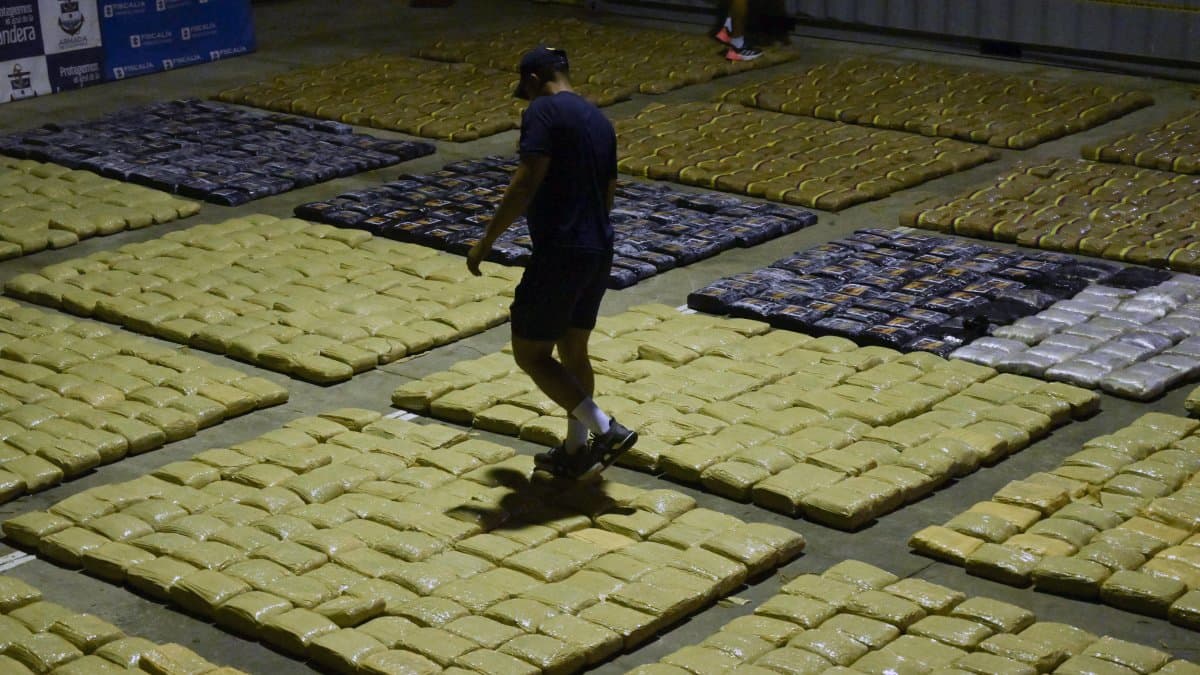

This Tuesday Colombia reported that it stopped purchasing armaments from the United States, amid tensions with its main military partner, in retaliation to Washington's decision to withdraw its certification as an anti-drug ally.
The leftist government of Gustavo Petro made the decision after Donald Trump's administration deemed Bogota's efforts to curb drug trafficking insufficient. It also stopped recognizing the South American country as a partner in the war on drugs.
It was Colombia's Interior Minister, Armando Benedetti, who assured that "from this moment on we will no longer buy weapons from the United States," in an interview with local radio station Blu Radio.
According to the media outlet, the decision was made in the framework of a council of ministers on Monday, where Petro terminated the "dependence" of the Colombian armed forces on the U.S.
Although the U.S. removed the South American country from the list of nations that fight drug trafficking it maintained an exemption from the sanctions that would have caused the harshest cuts to that nation.
2023: Arms imported from U.S. accounted for $1.2 billion
In 2023, arms imported from the U.S. accounted for $1.2 million, according to data from the independent center Observatory of Economic Complexity.
Since 1986, the North American country has carried out an annual evaluation of the anti-drug efforts of some twenty countries - drug producers and distributors - in exchange for resources. In the case of Colombia, it represents an aid of about $380 million annually.
Between 2000 and 2018, more than $10 billion was delivered to the South American country, according to the U.S. Congress, for military, social and drug crop eradication purposes.
The main countries of transit and illicit drug production
It is the first time since 1996 that Washington has decertified Colombia in its anti-narcotics fight. The other countries have been singled out by U.S. administrations for years.
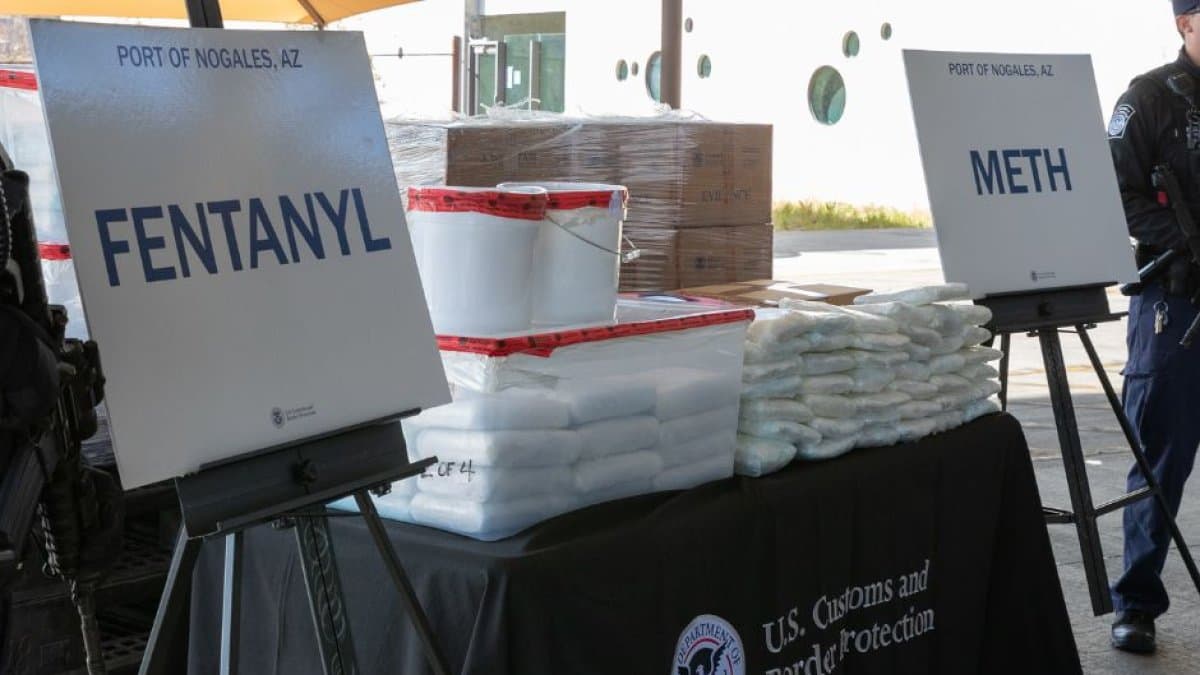
The note alleges that trafficking of fentanyl and other lethal illicit drugs to the U.S. by transnational organized crime has generated a national emergency, including a public health crisis in the country that remains the leading cause of death in Americans aged 18 to 44.
Buying weapons from other countries
Minister Benedetti assured that Colombia will seek new partners to acquire arms and gave as an example the recent acquisition of a fleet of fighter jets from Sweden.
In 2024, Petro suspended the purchase of armament from Israel due to its offensive in Gaza.
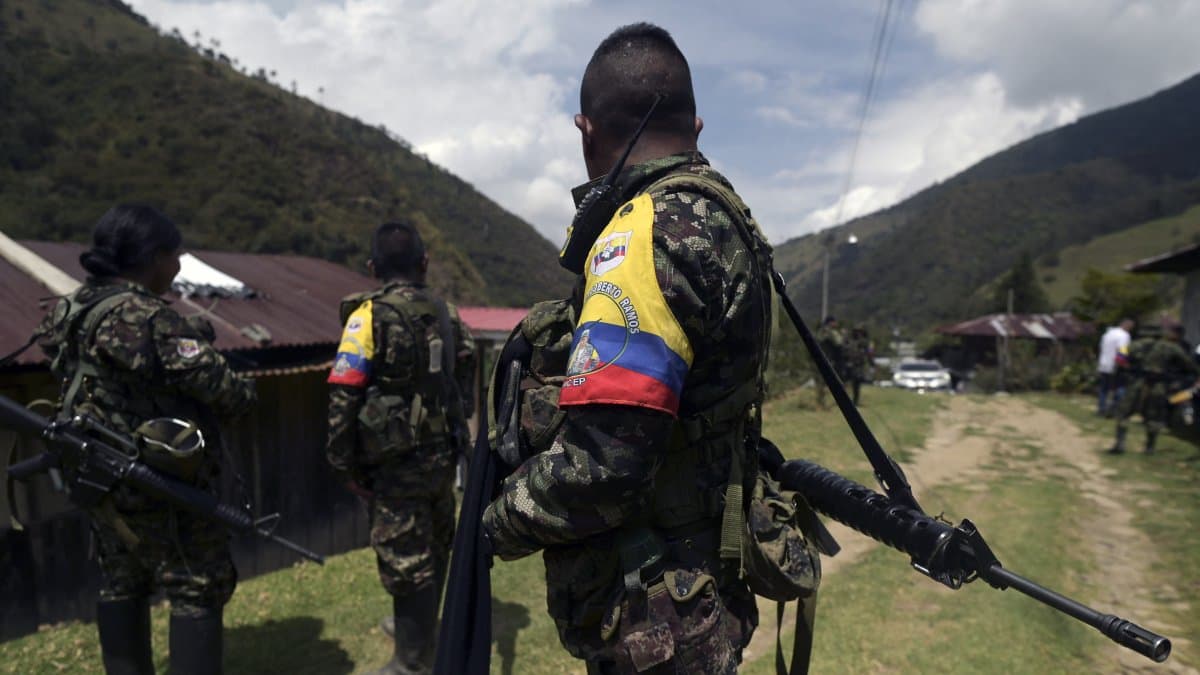
Meanwhile Colombia maintains that it continues to affect the armed groups that finance themselves from cocaine with seizures and captures. So far in 2025, the country has seized 700 tons of cocaine and destroyed a record 4,570 clandestine laboratories, says the Colombian Defense Ministry.
🛠 Do you think there is an error in this article?
Recommendations


LATEST