Interview: Former Latin American officer defends Biden's Maduro policy and justifies controversial release of Alex Saab
Juan González, who served as senior director of the National Security Council for the Western Hemisphere, had a conversation with Karina Yapor, executive producer of VOZ and host of VOZ News.
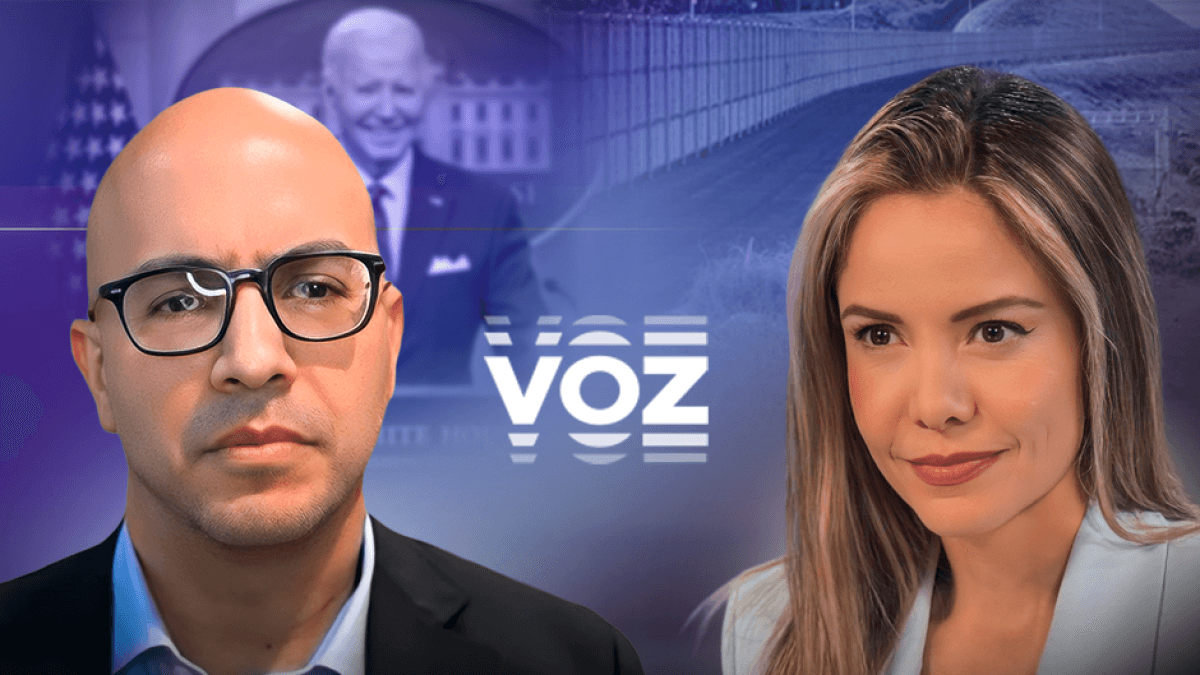

After the Trump administration raised pressure against Nicolás Maduro's regime, Juan González, Joe Biden's former Latin America envoy, defended the former Democratic president's policy toward the Venezuelan regime in an interview with VOZ.
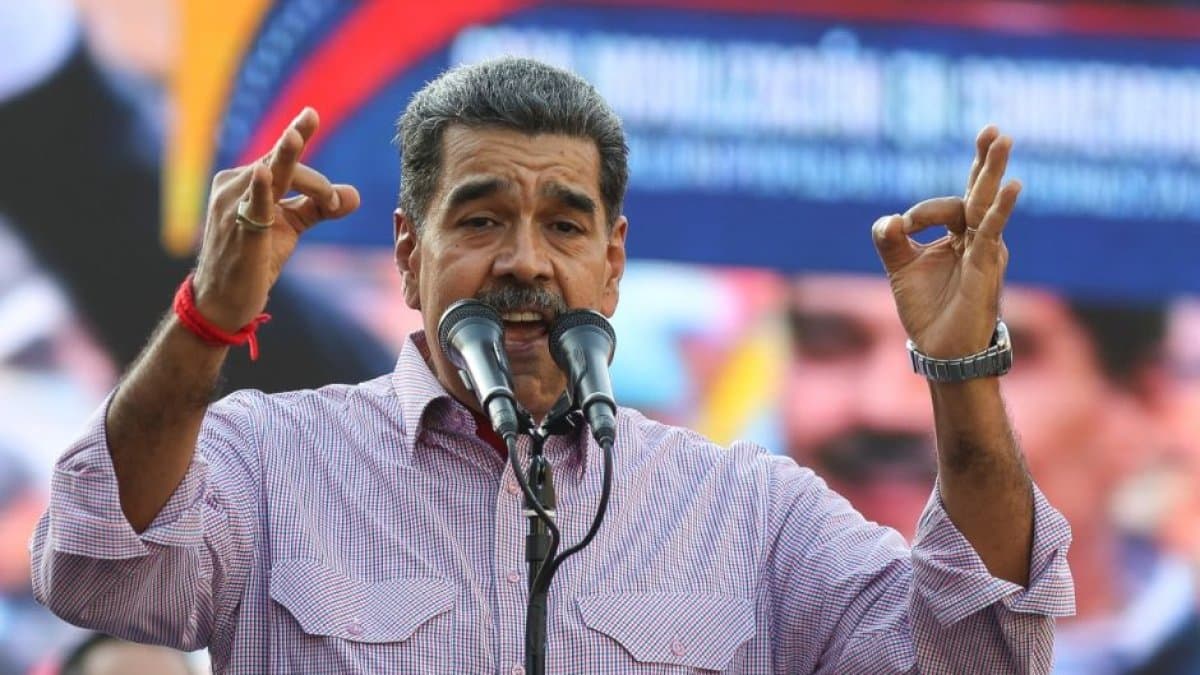
The Biden administration's policy toward Chavismo, criticized by a broad sector of the Republican Party as complacent, was characterized by abandoning Trump's hard line and initiating a rapprochement with Caracas which included the lifting of oil sanctions, the return to Venezuela of "los narcosobrinos" -direct relatives of Cilia Flores, Maduro's wife, convicted of drug trafficking in the U.S.- and the exchange of U.S. hostages in exchange for Alex Saab, indicted as a front man for the Venezuelan dictator and a key player in the regime as minister of Industry.
All these decisions, highly questioned at the time by Republican politicians and defenders of democracy in Venezuela, were defended and justified by Gonzalez, who stated that the Trump administration is making the "mistake" of being confrontational with the Maduro regime, warning that Washington's current policy is a return to the "cold war."
González, who traveled to Caracas in April 2022 to meet with top chavismo hierarchs, asserted that Trump made a propagandistic decision by increasing the reward for Maduro to $50 million, the highest in U.S. history.
"I think a lot of the rhetoric especially around the Maduro bounty is to distract from the fact that the temporary protected status has been taken away from Venezuelans, that Venezuelans have been put in CECOT, in El Salvador, and it's to distract from the treatment of the Venezuelan diaspora in the U.S., which has been abused just like the Cuban diaspora," González said.
When Yapor asked him about the pardons granted to Saab and the "narco-brinos," the former top Biden administration official affirmed that, at the time, the deal made a lot of sense for Washington.
"The narco-brinos were released because, I would say, they had already fulfilled most of their reward and had given all the information they needed," Gonzalez said. "It was part of the negotiation that we were carrying out."
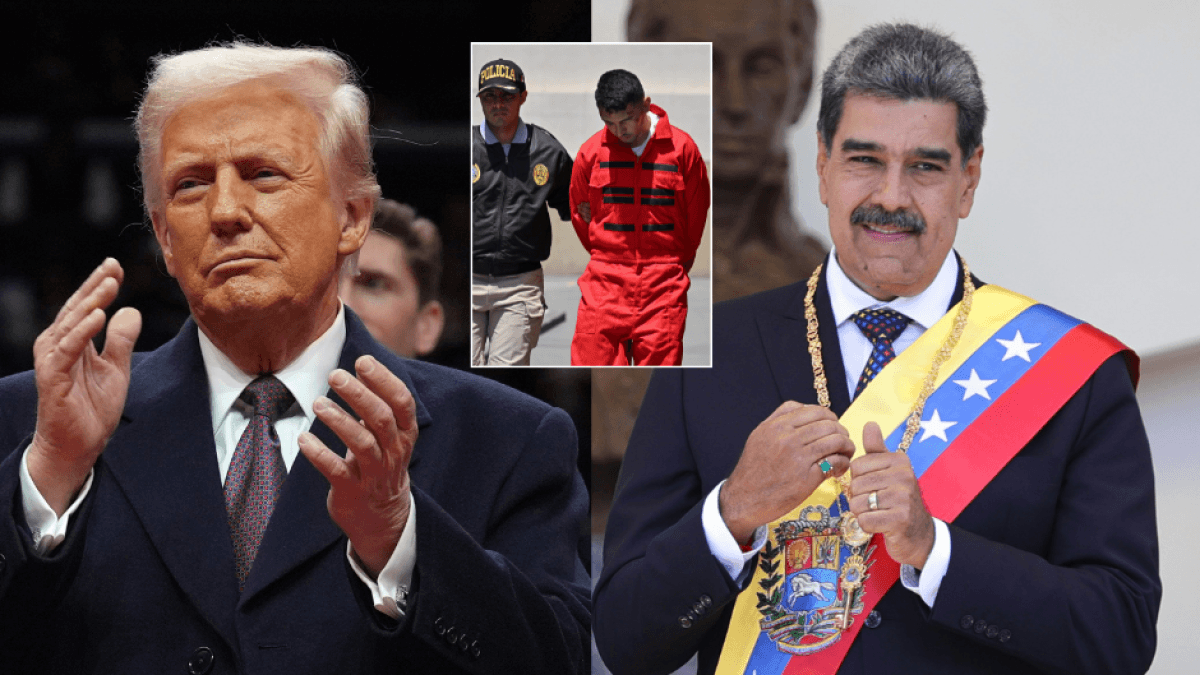
He then justified the decision to release Saab.
"I understand the frustration with the pardon of Alex Saab, but from the perspective of the United States the president of this country has a responsibility to protect all Americans and we got everyone out who was in that prison," Gonzalez said, who was asked by Yapor about the Maduro regime's failures to comply with the agreements that had been signed with the Biden administration.
"Speaking of Venezuela, in the case of Saab, for example, it was never clear. Because the free elections never happened, in fact, the electoral fraud on July 28th is still being denounced and the previous Administration did nothing. Why then did the Biden Administration not react? After the release of Saab and the narco-brinos there is not much for the United States to negotiate with," Yapor said.
Gonzalez attempted to explain that the Biden administration's negotiations with Maduro had brought Venezuela to a "democratic moment." This was evident in the July 28, 2024, presidential elections, where candidate Edmundo Gonzalez, backed by opposition leader María Corina Machado, won by a wide margin, as confirmed by the electoral records recovered by the opposition.
However, despite those elections, Maduro and his allies entrenched themselves in power, brutally repressed dissent and caused the exile of hundreds of activists and political leaders. Since July 28, the international community, led by the United States, has recognized the triumph of Edmundo Gonzalez, the leadership of Machado and the illegitimacy of Maduro.
🛠 Do you think there is an error in this article?
Recommendations


LATEST