Black box of tragic Air India crash reveals possible deliberate action by lead pilot to crash plane
According to a preliminary report by Indian authorities, the black box recording showed that the captain turned off the flow of fuel to the engines.
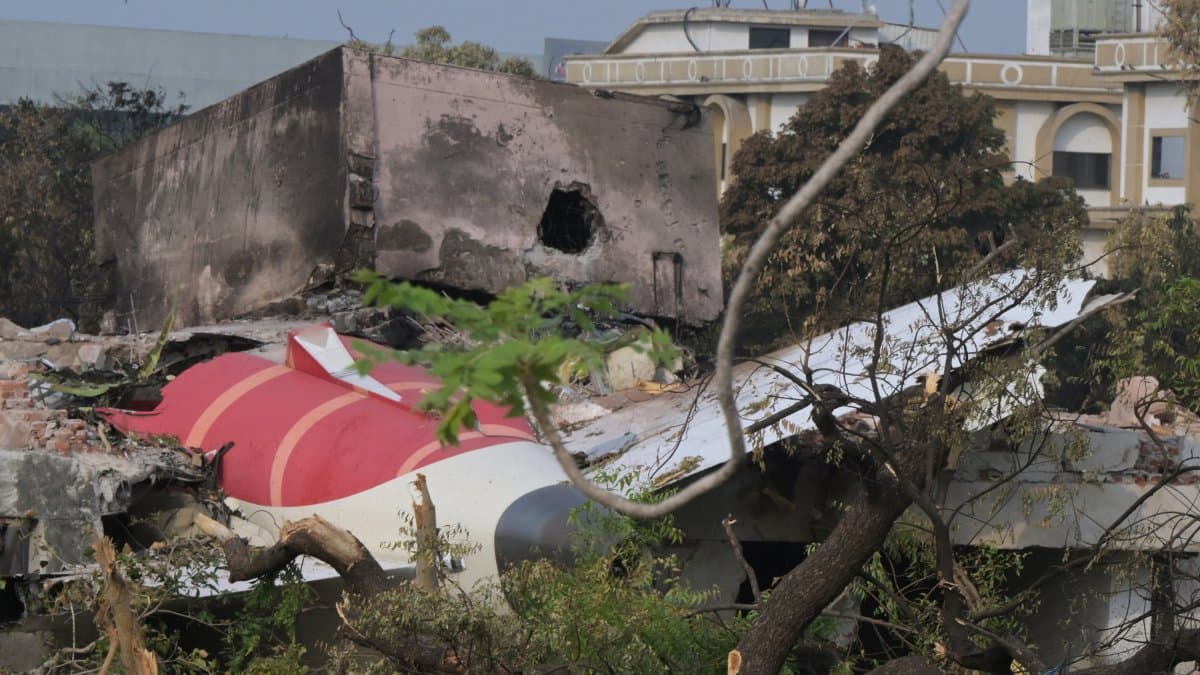

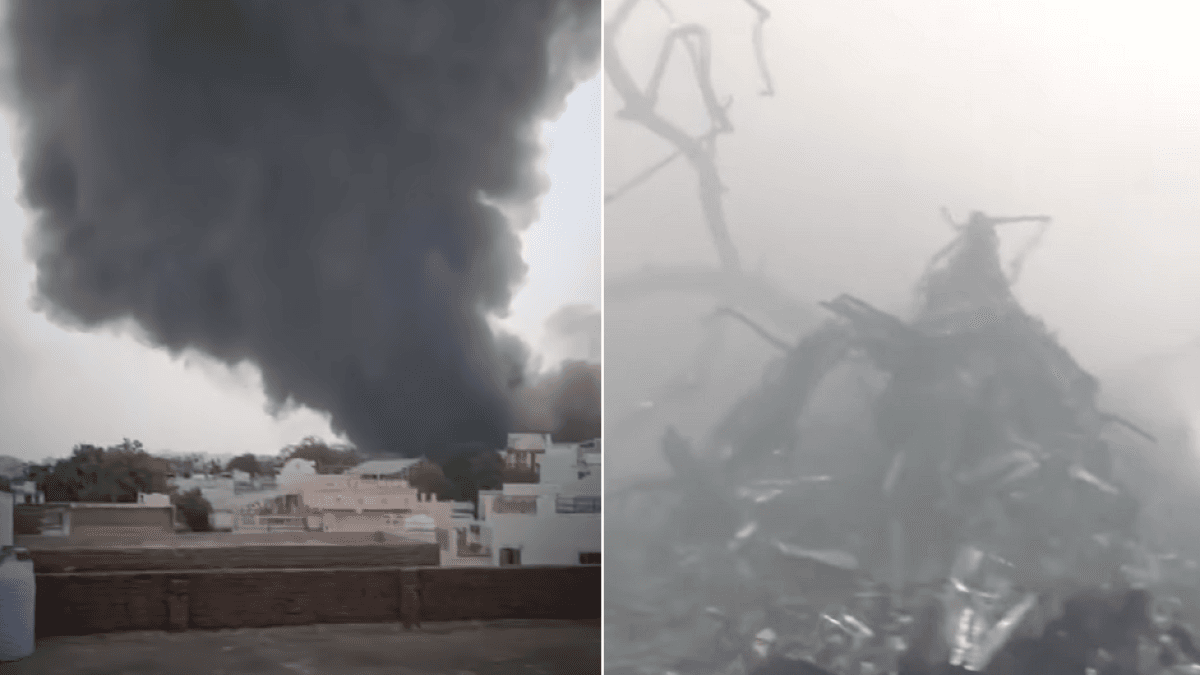
Investigations are progressing into the tragic crash of Air India's Boeing 787 Dreamliner, which left 241 people dead on June 12. According to an exclusive report by The Wall Street Journal, a preliminary report by Indian authorities showed that the black box recording points directly to the captain of the flight, who during the clearance allegedly committed an action that caused the plane to plummet and crash.
The preliminary report, together with the analysis of U.S. experts, affirms the possibility that, a few seconds after clearance, Captain Sumeet Sabharwal touched the fuel switches to put them on the 'cutoff' option, cutting off the direct flow to the engines and generating a loss of power in the Boeing.
Faced with the sudden action, the co-pilot, Clive Kunder, with a shorter track record than the captain, reacted with surprise and fear, while Sabharwal remained calm.
According to the WSJ, the switches were deactivated within a second of each other and were subsequently reactivated about ten seconds later, but damage was already inevitable and impact imminent.
The plane, seconds later, crashed near Ahmedabad airport.
World
Investigation of Air India crash points to possible human error rather than Boeing 787 failure
Emmanuel Alejandro Rondón
While the preliminary report from the Indian authorities does not conclude whether it was human error or a deliberate act on the part of the captain, the sequence of events and the very behavior in the cockpit raise suspicions among U.S. officials, who believe the event should be investigated as a possible crime and not a simple technical failure.
"There was nothing to prompt the crew to perform emergency procedures, become stressed, or do anything except rotate the nose up and retract the landing gear, like they had done so many times before," Ben Berman, a former National Transportation Safety Board (NTSB) official with extensive experience investigating airplane crashes, told the WSJ.
However, both India's Ministry of Civil Aviation and the Air Accident Investigation Bureau of India (AAIB) would not comment on the report, calling it "biased." Air India's CEO also asked for calm and a lot of composure from his employees, asking them not to jump to conclusions while the inquiries continue.
Capt. Sabharwal was a veteran and respected pilot who had excelled in his career for his sobriety and discipline. Kunder, who was 30 years old, did not have as extensive experience as his flight superior, but he was recognized by his colleagues as a young aviation enthusiast, admired for his energy and charisma.
So far, neither Boeing nor GE Aerospace has issued safety alerts on the 787 Dreamliner model, which could lend further strength to hypotheses about human error or deliberate action. The NTSB is cooperating with the Indian investigation, and its chairman, Jennifer Homendy, has already been briefed on the recordings.
The case remains open and could redefine the narrative about one of the worst plane crashes in recent times.
🛠 Do you think there is an error in this article?
Recommendations







LATEST