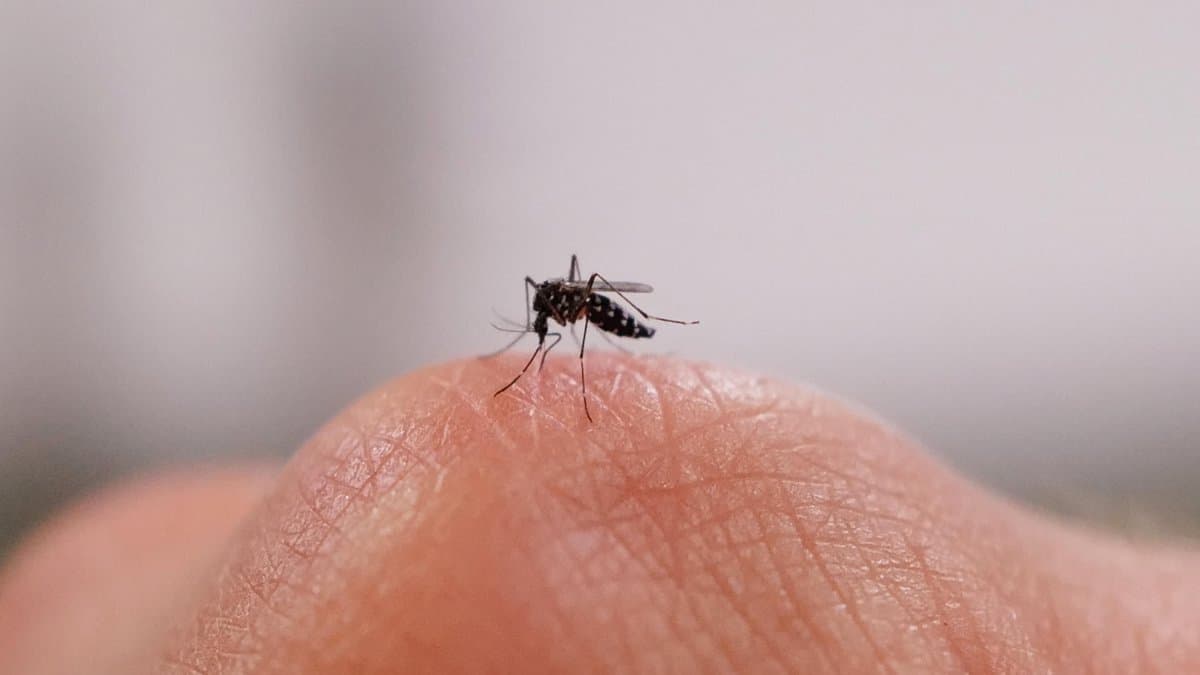







USDA confirms second case of New World Screwworm in Texas
Officials said this case was detected near where the first case was identified. Greg Abbott issued a "statewide disaster declaration."
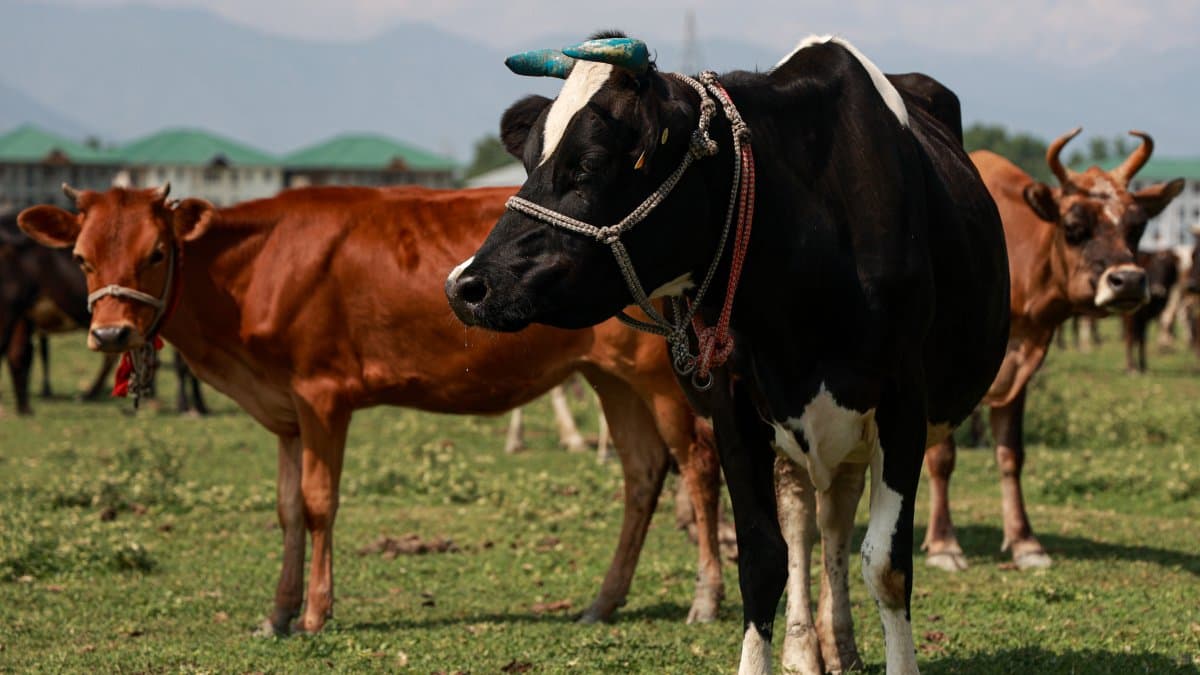

The Department of Agriculture (USDA) confirmed a second case of New World Screwworm, a parasite that is devastating to livestock and primary sector workers.
Specifically, it has been detected in Zavala County, Texas, a few miles from where the first case was identified (reported June 3) and very close to the border with Mexico.
"USDA has confirmed a second detection of New World Screwworm in a one-month-old calf in Zavala County, Texas," the department reported via a social media account it has set up specifically to relay updates on NWS developments.
"With our partners in Texas, we are responding with speed and strength," USDA added.
For his part, Texas Governor Greg Abbott, issued a "statewide disaster declaration" Friday and asked residents in the affected area to "remain vigilant" to "protect livestock, wildlife and pets."
What is the New World screwworm?
According to information from the Centers for Disease Control and Prevention (CDC) and the USDA, New World Screwworm flies "are attracted to open wounds and body orifices, such as the nose, eyes, ears and mouth, where they lay their eggs." Subsequently, the eggs hatch and the larvae penetrate the flesh of the animals.
To identify whether an animal is infested, the USDA urges farmers and owners to watch for the following clinical signs:
"Highly irritable behavior or isolation.""Constant movement or head shaking.""Presence of white egg masses or visible maggots within sores or wounds.""Wounds that instead of healing rapidly enlarge and give off a strong odor of decomposition.""Sores that instead of healing rapidly enlarge and give off a strong odor of decay."To cure the animal, the CDC and USDA urges that ranchers and owners not attempt to remove the larvae on their own and contact their veterinarians to have them do it themselves.
🛠 Do you think there is an error in this article?
Recommendations









LATEST