ANALYSIS
UK: The Guardian reports a significant increase in cases of pancreatitis associated with the use of injections such as Ozempic or Wegovy
The British newspaper detailed that there has been an increase in reports of acute pancreatitis in the Yellow Card program of the Medicines and Healthcare Products Regulatory Agency (MHRA), which monitors any adverse reactions to drugs and medical devices in the country.
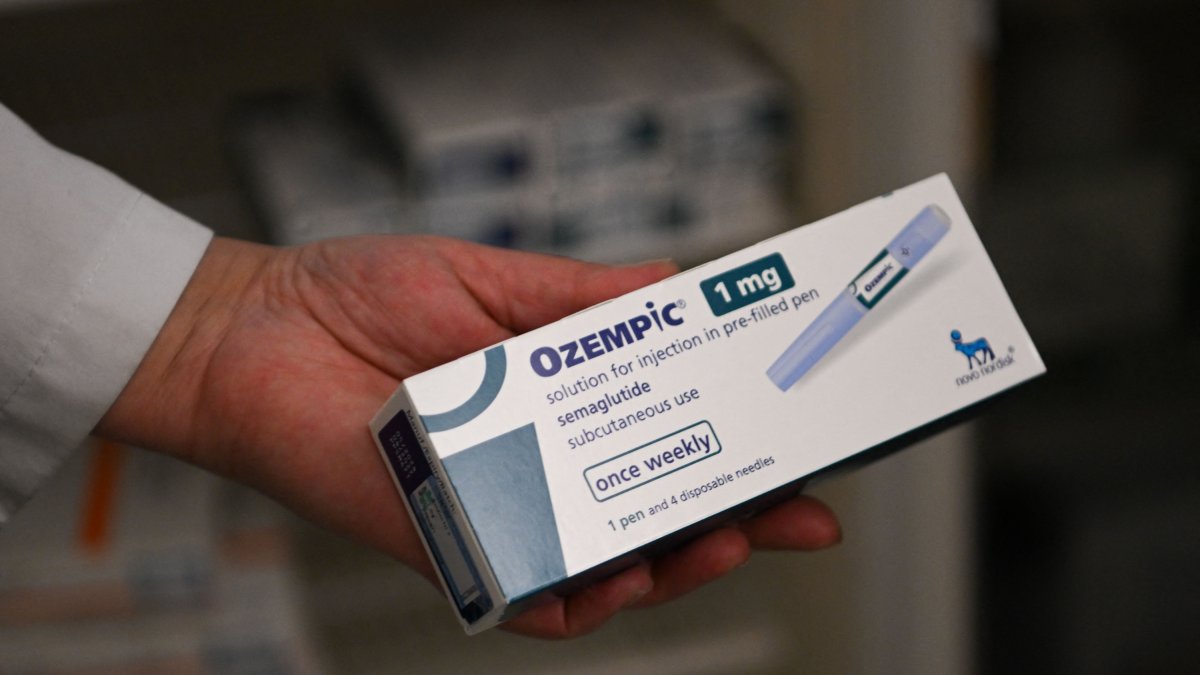
Ozempic Box

A rise in cases of people with pancreatic problems related to weight-loss and diabetes injections is worrying authorities in the United Kingdom. The situation has prompted health officials to launch a study into the side effects of the drugs.
The information was revealed by the British media outlet The Guardian, which reported an increase in cases of acute pancreatitis recorded in the Yellow Card program — the UK’s system for monitoring adverse reactions to drugs and medical devices, run by the Medicines and Healthcare products Regulatory Agency (MHRA).
Patient information leaflets on GLP-1 drugs mention that pancreatitis is a rare reaction, occurring in about one in 100 cases. So far, the program has received nearly 400 reports of acute pancreatitis in people who have used Mounjaro, Wegovy, Ozempic or liraglutide, with almost half of them (181 cases) attributed to the use of tirzepatide (Mounjaro).
In that regard, The Guardian noted that more than a quarter of these cases were reported in 2025. Since the start of the year, the Yellow Card system has received 22 notifications of acute pancreatitis linked to the use of semaglutide (presented as Ozempic and Wegovy) and 101 associated with the use of tirzepatide (Mounjaro).
The increase was also confirmed by an MHRA spokesperson. "Alongside increased usage, we are seeing an upturn in the number of Yellow Card reports mentioning GLP-1 medicines and acute pancreatitis," said the source who remained anonymous.
Pancreatitis
"The pancreas has two main functions: to produce insulin and to produce digestive juices, or enzymes, that help digest food. These enzymes digest food in the intestine. Pancreatitis occurs when the enzymes damage the pancreas, causing inflammation. Pancreatitis can be acute or chronic. Either form is serious and can cause complications," the institutes emphasized.
Given the situation, it was learned that the MHRA intends to check for genetic factors. Thus, it asked anyone hospitalized with acute pancreatitis suspected to be related to the consumption of these drugs to notify the Yellow Card system.
"The MHRA will then invite those patients to take part in the Yellow Card Biobank study, run by Genomics England. Participants will be asked to provide further information, alongside a saliva sample, which will be analysed by scientists," The Guardian reviewed.
In addition, research has revealed that one in six hospitalizations is due to adverse effects caused by drugs. For her part, Dr. Alison Cave, director of safety at the MHRA, noted that evidence shows that nearly a third of drug side effects could be prevented by the introduction of genetic testing.
"It is predicted that adverse drug reactions cost the NHS more than £2.2bn a year in hospital stays alone," Cave specified.
LATEST