Takaichi promises close ties with Trump: 'We will open a new chapter in the history of the Japan-US alliance'
After dominating the legislative elections, the new prime minister promised to strengthen the alliance with Washington amidst tensions with China.
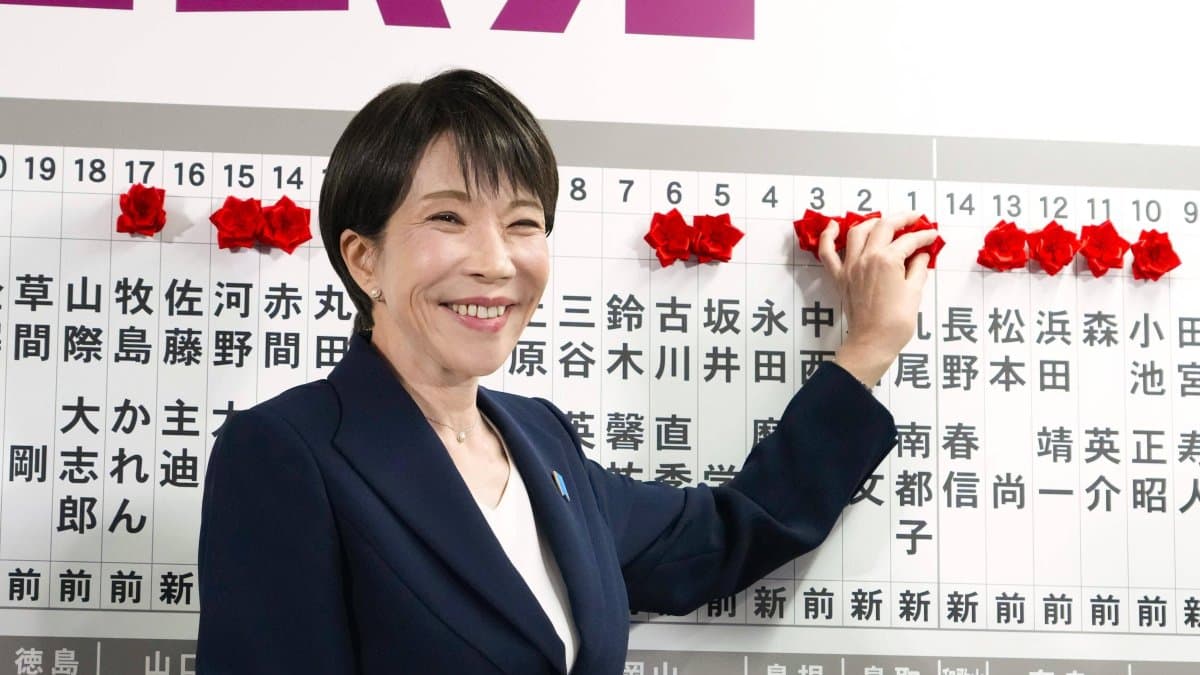

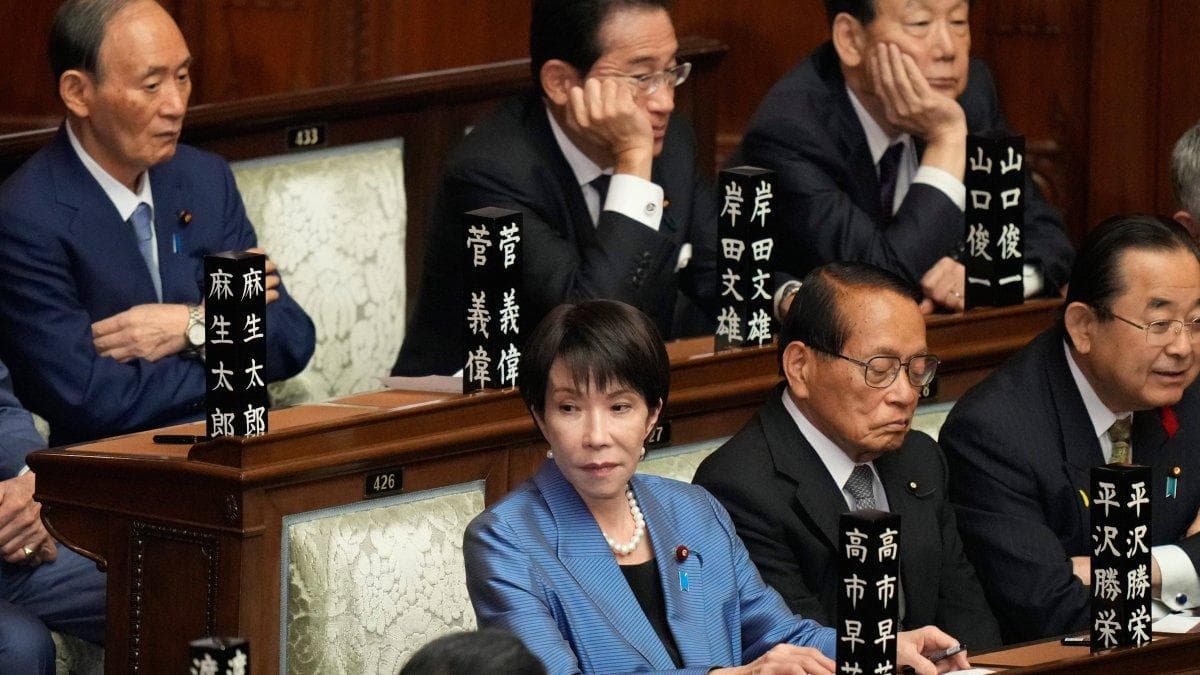
Japanese Prime Minister Sanae Takaichi vowed to reach out to the United States in her first press conference after her victory in Japan’s legislative elections.
Takaichi, prime minister since October, last month called the election with the aim of consolidating a majority in Parliament that would allow her to implement her reform agenda. The goal was met ñ Sunday by the Liberal Democratic Party (LDP).
"This is the start of a heavy, heavy responsibility to make Japan stronger, more prosperous," the veteran politician maintained in Tokyo in light of the election results. Now 64, she read the victory as a mandate from the majority of Japan's 123 million people to rapidly reform the country:
"We believe that the public has shown understanding and sympathy regarding our appeals concerning the urgent need for a major policy shift."
Her domestic agenda includes an increase in defense spending, possible constitution reform and stronger immigration rules. She also promised to suspend the excise tax on food, part of her efforts to lower inflation, the main cause of voter discontent.
'I look forward to working closely with you, Donald'
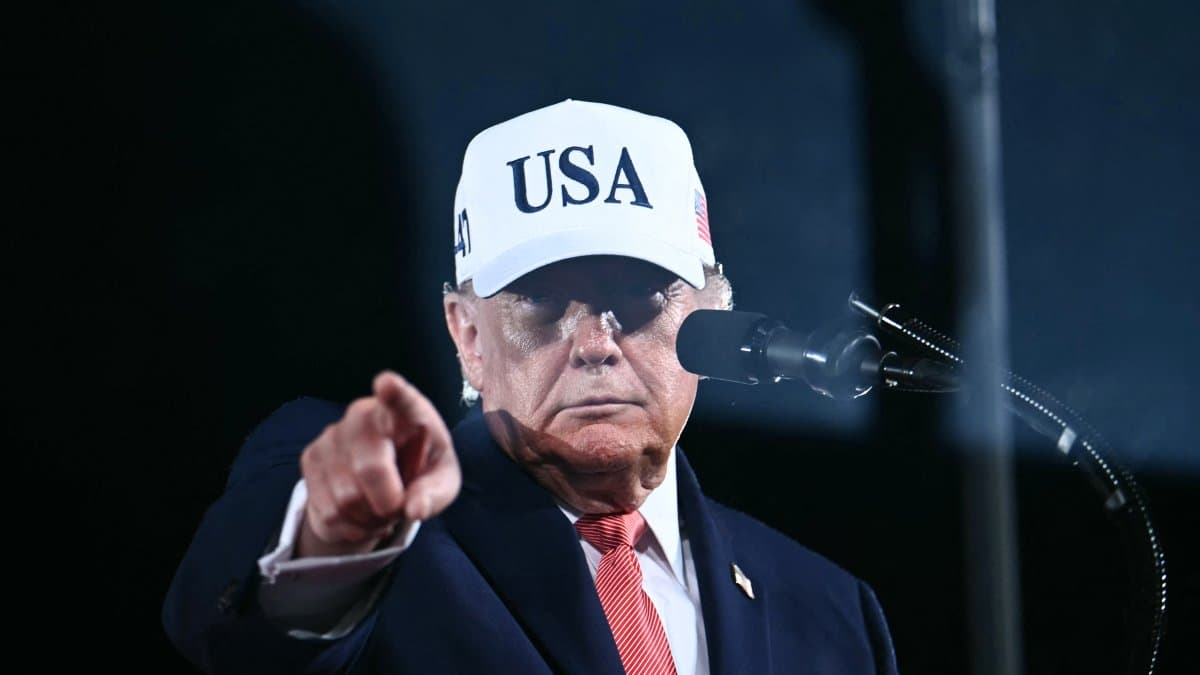
Takaichi and Trump showed mutual affinity. The Republican visited Japan in October, shortly after he took office. Trump backed the prime minister a month later amid escalating tensions with China.
"President Trump told me that he and I are extremely good friends and that I can call him whenever I want," the ideological heir to assassinated former Prime Minister Shinzo Abe said then. Two days before Sunday's election, Trump explicitly endorsed her candidacy, describing her as "a strong, powerful, and wise leader" who "truly loves her country."
"Sanae: It was my honor to endorse you and your coalition," the president wrote after learning the election results. "I wish you great success in passing your conservative, peace through strength agenda." Takaichi replied: "I look forward to working closely with you, Donald, to advance peace, strength, and prosperity for our two nations."
Takaichi later assured in front of the press that, when she meets with Trump at the White House in March, they will reaffirm "the unshakeable unity" of both nations. She also promised that they will boost "cooperation across a wide range of fields including diplomacy, economy, and security."
"Then we will open a new chapter in the history of the Japan-U.S. alliance," she asserted.
Treasury Secretary Scott Bessent also celebrated Takaichi's victory. "When Japan is strong, the U.S. is strong in Asia, and the Prime Minister’s great relationship with President Trump demonstrates well the lasting bonds between our nations," he assured.
Possible dialogue with China?
"Our nation is open to various dialogues with China," Takaichi said Monday. "We already have exchanges of views. We will continue the exchanges of views. But we will deal with them in calm and appropriate ways."
The prime minister maintains a tough stance on China. Shortly after taking office, she escalated tensions after she said that in case of an invasion of Taiwan, her government might have to respond militarily. These words, according to experts, broke with Japan’s pattern of strategic ambiguity, by which leaders have shown support for Taiwan without committing to defend it with guns and boots in the future.
Takaichi also provoked indignation from China, which included the recall of its ambassador to Japan and the recommendation to avoid travel to the island. After the recent election, Beijing again warned Tokyo:
"If Japan’s far-right forces miscalculate and act recklessly, they will be met by resistance from the Japanese people and serious backlash from the international community."
Japan returns to nuclear power
The Tokyo Electric Power Company (TEPCO) said the Kashiwazaki-Kariwa plant in the Niigata region resumed operations at 2 p.m. local time, according to AFP.
A malfunction with an alarm in January forced the suspension of its first restart since the disaster with the Fukushima plant in 2011. The facility has been idle since then, when Japan switched off all its nuclear generators after a powerful earthquake and tsunami damaged three Fukushima reactors.
The nation switched back on its atomic power to reduce its dependence on fossil fuels, achieve carbon neutrality and supply its growing energy demand due to artificial intelligence.
🛠 Do you think there is an error in this article?
Recommendations







LATEST