Starmer says UK is 'moving to war-fighting readiness'
The prime minister confirmed that the United Kingdom plans to invest some $20 billion in its nuclear warhead production program.
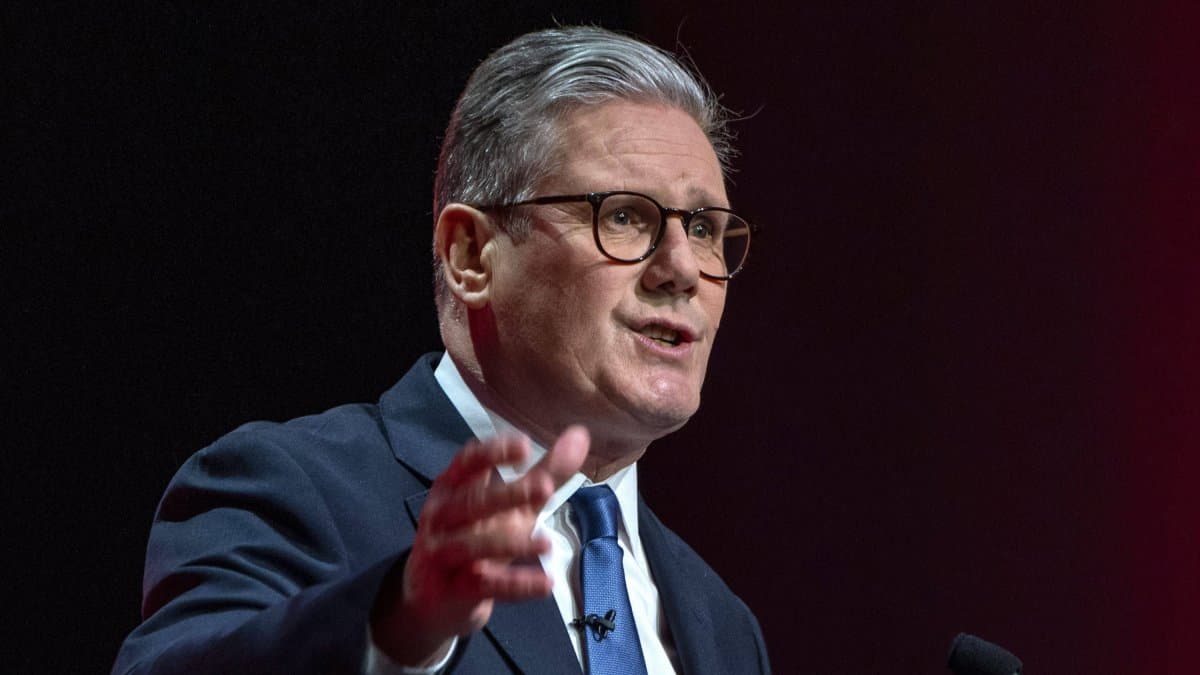

British Prime Minister Keir Starmer announced Monday that the U.K. is "moving to war-fighting readiness" as he unveiled the government's defense spending plans.
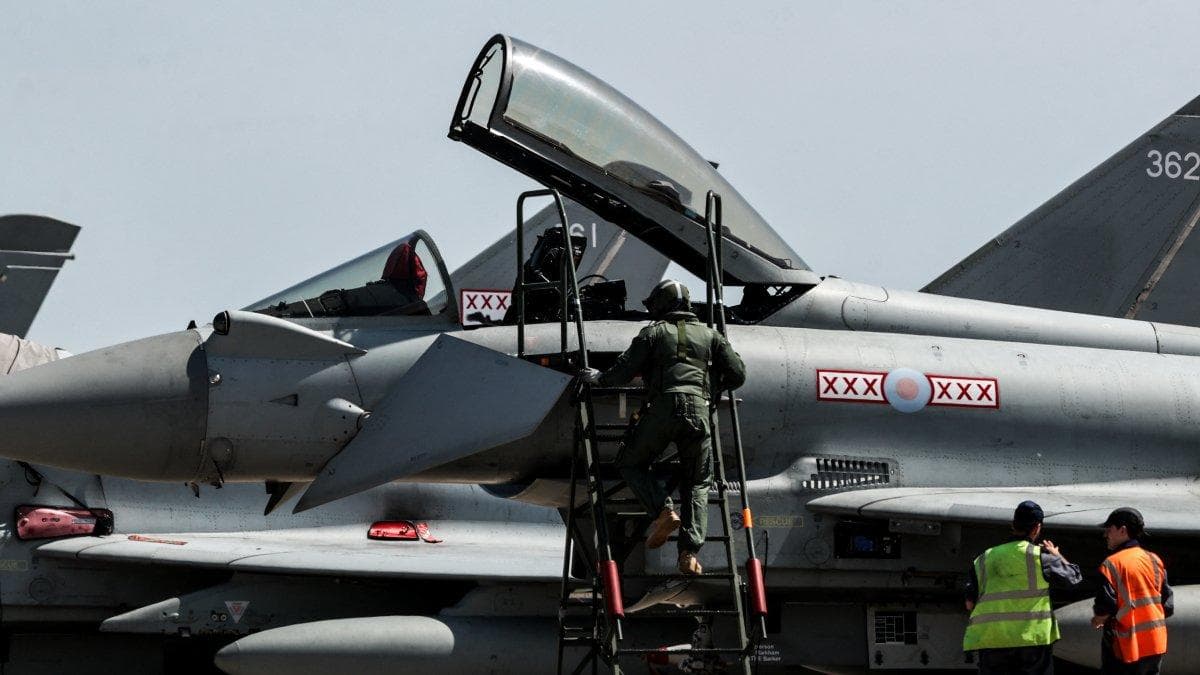
From Glasgow, the Labour leader confirmed the construction of six munitions factories that will generate over 1,000 jobs, as well as the construction of 12 attack submarines to deal with geopolitical tensions and the "growing" threat posed by the Kremlin.
The dozen submarines, nuclear-powered, are part of its AUKUS military alliance program with the United States and Australia.
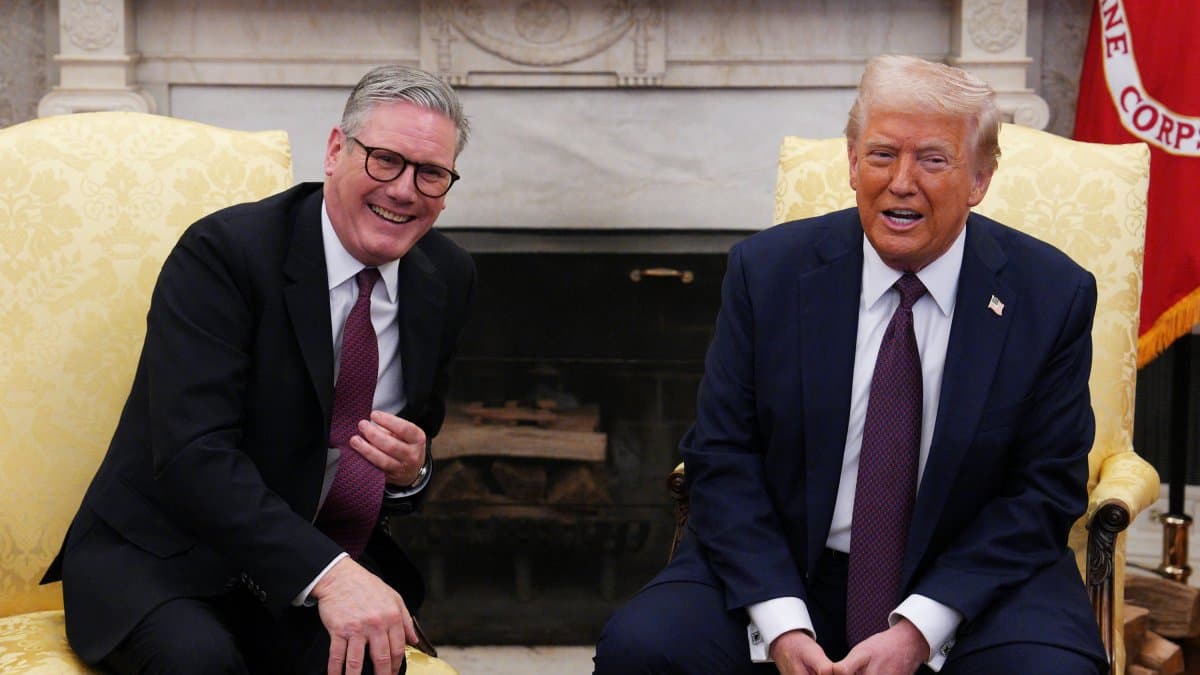
Behind a podium in Glasgow with the slogan "Securing Britain's Future," Starmer expressed, "The threat we now face is more serious, more immediate and more unpredictable than at any time since the Cold War."
Likewise, the prime minister confirmed from Glasgow that the United Kingdom plans to invest some $20 billion in its nuclear warhead production program.
The Labour leader assures that the announcement is part of the "renewal of our nuclear deterrent as the ultimate guarantor of our safety and our security."
"I think that’s a common feeling across Europe and more broadly there is greater instability on defense and security than there has been for many, many years," Starmer said on BBC Radio 4 shortly before the Glasgow announcements.
"The world has changed, and if the world has changed we need to be ready," the Labour leader added to the BBC.
United Kingdom: "A formidable, integrated fighting machine"
On Sunday, in an article published in The Sun, Starmer reaffirmed his intention to "restore Britain’s war-fighting readiness as the central purpose of our Armed Forces."
He insisted on the need to "[bring] together every capability we have, from drones, to artillery, to human instinct and intelligence, into one formidable, integrated fighting machine."
The Prime Minister had already announced in February an unprecedented increase since the end of the Cold War in national defense spending, which will rise to 2.5% of GDP by 2027 from the current 2.3%.
The role of the United Kingdom in NATO
NATO secretary from 1999 to 2003, Robertson is leading a strategic review of U.K. defense commissioned by Keir Starmer's government, focused on tackling emerging threats such as Russia, Iran, North Korea and China.
🛠 Do you think there is an error in this article?
Recommendations



LATEST