







Frank Rubio, astronaut of Hispanic descent, will be part of Artemis III mission
In addition to Rubio, the Artemis III mission will consist of astronauts Randy Bresnik, Luca Parmitano, and Andre Douglas. It is scheduled for 2028.
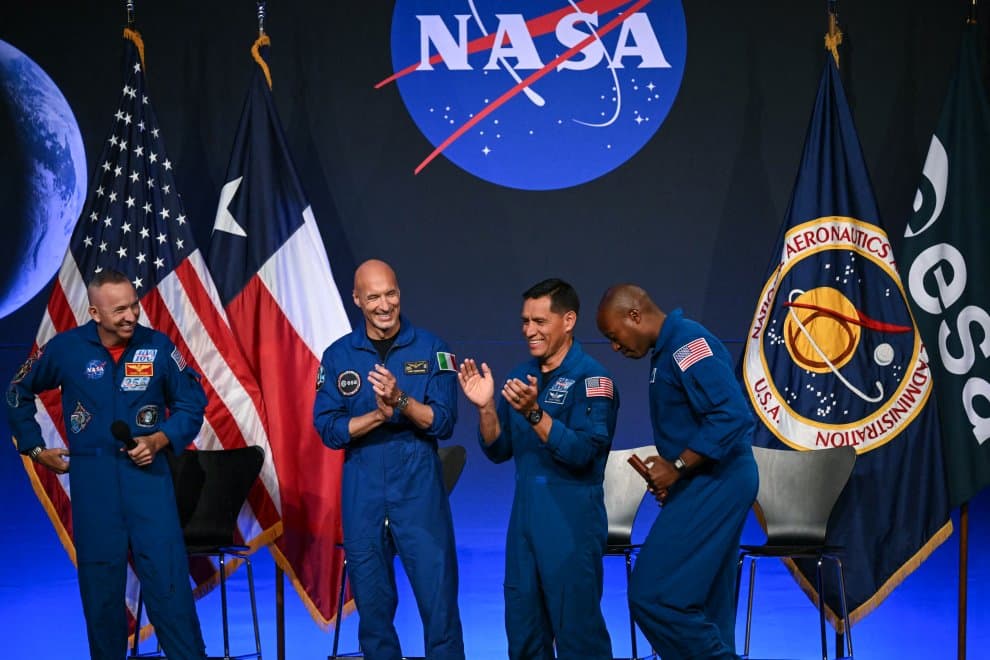
The four astronauts who will be part of the Artemis III mission. June 2026

Following the success of the Artemis II mission in April, NASA announced the crew that will take part in the next space expedition, Artemis III. The team includes, among others, an astronaut of Hispanic descent.
Frank Rubio, a native of Los Angeles and the son of Salvadoran immigrants, will be one of the four crew members traveling to the moon’s south pole in 2028. He will serve as a “mission specialist,” as NASA detailed in a press release.
The other three astronauts who will be part of Artemis III are Randy Bresnik, commander; Luca Parmitano, pilot and member of the European Space Agency (ESA); and Andre Douglas, who will share the role of mission specialist with Rubio.
Tech & Science
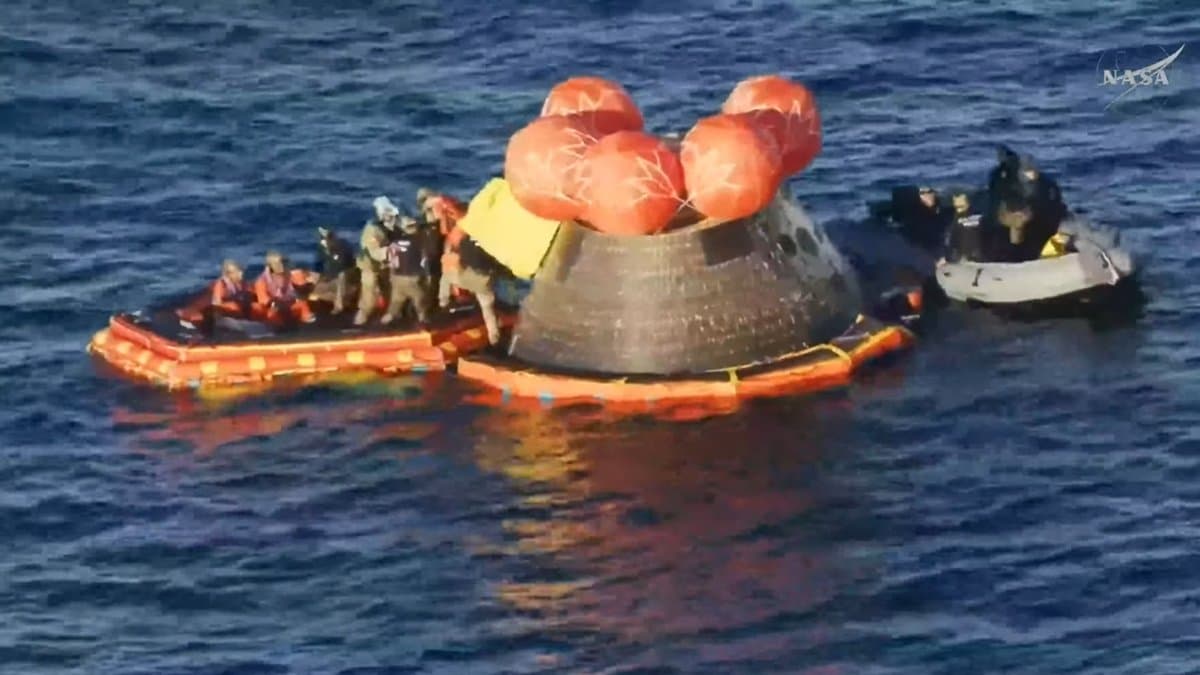
VIDEO | Here's how the Artemis II mission splashdown went in the Pacific Ocean
Alejandro Baños
"Today we take another bold step in humanity’s return to the Moon, building on the extraordinary foundation laid by the Artemis II astronauts," said NASA Administrator Jared Isaacman. "Their achievements reignited global excitement for exploration, and now they pass the torch to the Artemis III team, Randy, Luca, Frank, and Andre."
Rubio’s second space expedition
In its press release, NASA reviews Rubio’s career, noting that the Artemis III mission will be his second space expedition.
"Rubio is making his second trip to space. He launched aboard the Soyuz MS-22 spacecraft from Baikonur to the space station on Sept. 21, 2022, and returned on Sept. 27, 2023, breaking the record for the longest single-duration spaceflight by an American astronaut with 371 days in orbit," NASA noted.
The Artemis III mission is scheduled to launch from the Kennedy Space Center in 2028. Before that, "a series of rigorous tests" will be conducted both on Earth and in orbit to replicate the success achieved with Artemis II.
🛠 Do you think there is an error in this article?
Recommendations







LATEST