






War of the Titans: Apple sues OpenAI and two former affiliates for massive theft of trade secrets
The lawsuit exposes an aggressive strategy by OpenAI to bypass years of costly research and development by simply recruiting talent from Apple.
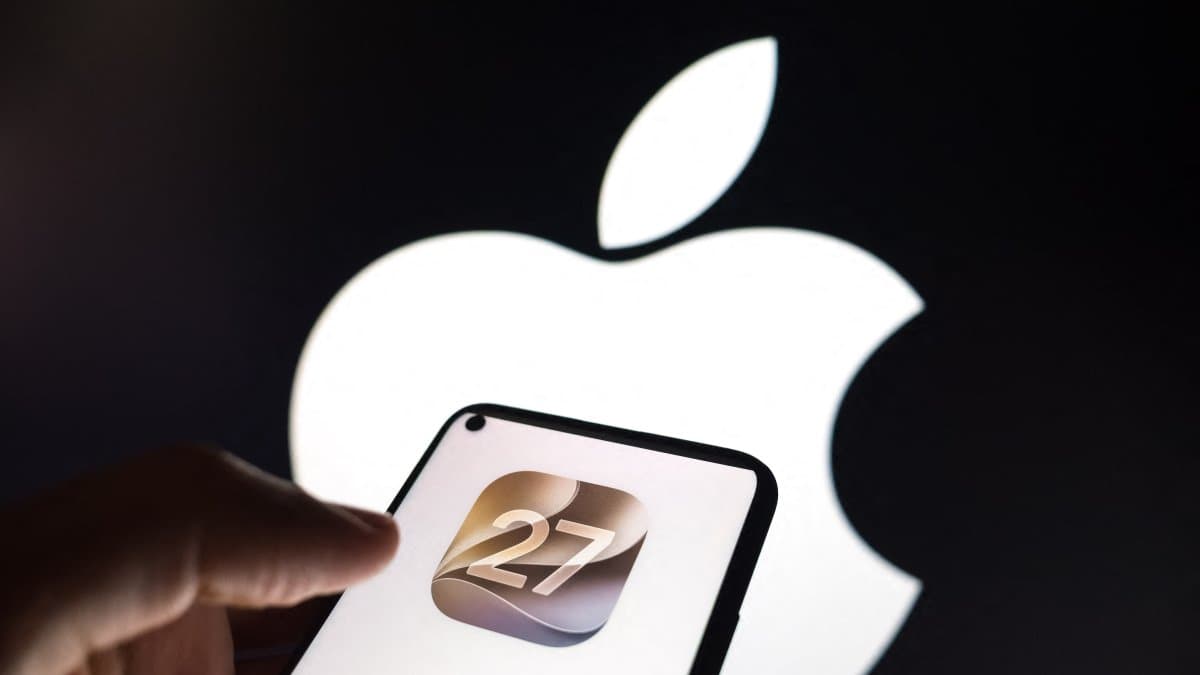

Apple filed a formal lawsuit on Friday in the U.S. District Court for the Northern District of California against OpenAI and two of its former key employees.
The complaint details an alleged systematic misappropriation of highly confidential trade secrets to drive the development of OpenAI’s own physical devices—a corporate move that directly threatens the iPhone’s market leadership.
The lawsuit exposes an aggressive strategy by OpenAI to circumvent years of costly research and development by recruiting talent from Cupertino and illegally exploiting shared supply chains.
"Apple sees OpenAI shifting from a partner to a potential rival, while OpenAI is trying to reduce its dependence on the iPhone and build a direct relationship with consumers,” PP Foresight analyst Paolo Pescatore told Reuters, warning that the lawsuit could put a freeze on the artificial intelligence firm’s hardware ambitions.
Stolen computers and “samples” in job interviews
The criminal complaint names two former high-ranking Apple executives.
The first is Chang Liu, a former electrical engineer specializing in advanced systems, accused of failing to return his company-issued work computer and subsequently exploiting an authentication flaw to infiltrate Apple’s internal network, from which he downloaded dozens of confidential files on hardware architecture.
The second individual implicated is Tang Yew Tan, former vice president of product design for the iPhone and Apple Watch, who spent 24 years at the company before becoming OpenAI’s head of hardware.
According to the official court filing, Tan emailed himself industry briefings and confidential information about suppliers before resigning. Worse yet, Apple alleges that Tan urged job candidates he interviewed at OpenAI to bring physical components stolen from Apple’s offices for “demo and show-and-tell” sessions.
Supply chain disruption and financial penalties
OpenAI’s offensive was not limited to just file theft. The lawsuit alleges that staff at Sam Altman’s company pressured Apple’s exclusive suppliers to obtain patented technologies.
In one specific incident, OpenAI allegedly persuaded a manufacturer to apply a secret metal-finishing technique developed by Apple, deceiving the manufacturer under the false premise that they had obtained official Apple authorization.
The multinational company led by Tim Cook revealed that it attempted to resolve the situation discreetly through a formal letter sent to OpenAI in February, which was completely ignored.
Currently, more than 400 former Apple employees are part of OpenAI’s workforce, which has facilitated the massive leak of intellectual property. “The fact that OpenAI now employs people who were once entrusted with Apple’s trade secrets does not give it the right to use that information to advance its hardware efforts,” Apple stated in its court filing.
History
Forged in Freedom: Five Companies That Shaped the Destiny of the United States
Andrés Ignacio Henríquez

🛠 Do you think there is an error in this article?
Recommendations

LATEST