Venezuela: How Google detected the earthquake and saved lives with alerts on Android phones
When multiple phones detect suspicious movement, they send the information to Google’s servers. The system quickly cross-references the data, and if it confirms an earthquake, it sends alerts to users in the area before the most destructive waves (S-waves) arrive.
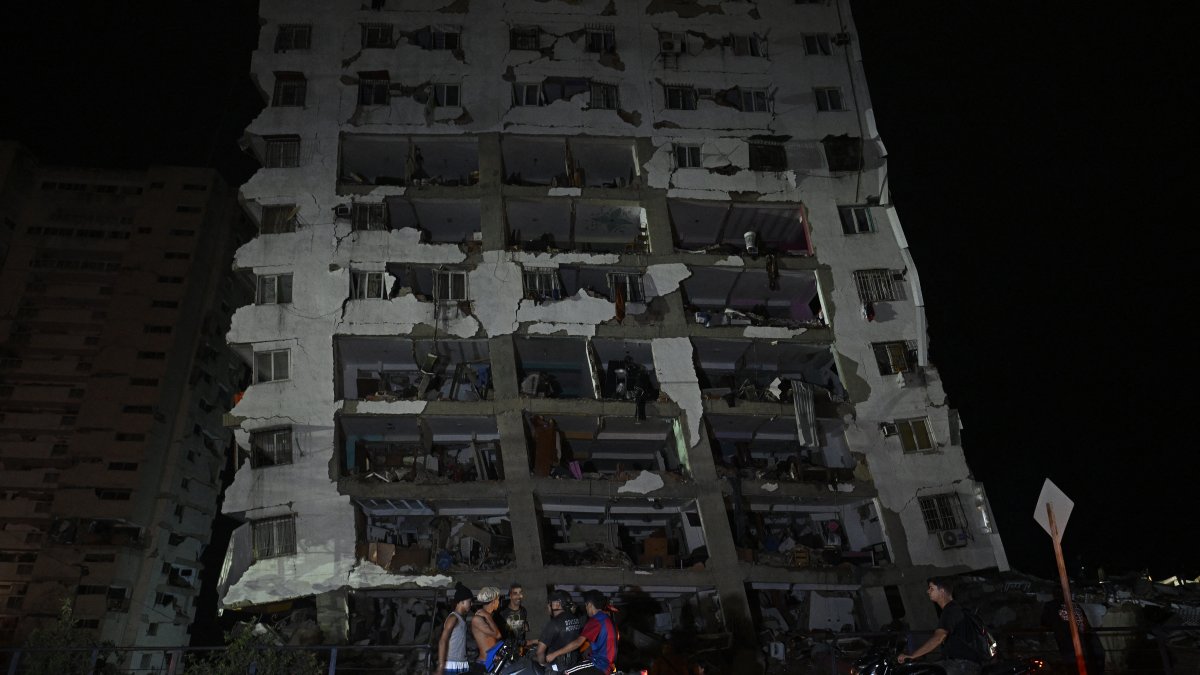
Building damaged after the earthquake in Catia La Mar, Venezuela

Millions of users in Venezuela received alerts on their Android phones moments before Wednesday’s powerful earthquake, which left at least 589 dead. This early-warning system, developed by Google, is proving its usefulness in real-life emergency situations.
How does Google’s earthquake alert system work?
According to AFP, most Android smartphones have an accelerometer, a motion sensor that is normally used to rotate the screen or count steps. Google explained in a July 2025 article that this same sensor can detect the initial vibrations of an earthquake.

When multiple phones detect suspicious movement, they send the information to Google’s servers. The system quickly cross-references the data and, if it confirms an earthquake, sends alerts to users in the area before the most destructive waves arrive.
Google offers two types of alerts:
- BeAware: For milder tremors.
- TakeAction: For strong earthquakes, which takes over the screen and emits a loud sound even if the phone is in silent mode.
How effective is it?
As of last year, Google had sent more than 790 million alerts for more than 2,000 earthquakes detected since 2021. Although there have been glitches (such as in Turkey and Syria in 2023), the company has improved its algorithms.

World
Venezuela: The 7.5-magnitude earthquake in a seismic doublet is the strongest since 1900
Carlos Dominguez
In Venezuela, hundreds of users have praised the system on social media, sharing videos showing how the alerts allowed them to evacuate buildings before the strong earthquake.
And Apple?
Apple offers government emergency alerts in countries such as the United States and Taiwan, but it does not have its own mass detection system using the accelerometers in iPhones, as Google does. However, iPhones can forward alerts to other nearby Apple devices even if they don’t have an internet connection.
LATEST