The White House halts OpenAI's launch and creates uncertainty about its artificial intelligence policy
Until recently, the White House had maintained a hands-off approach to foster development in the face of foreign competition.
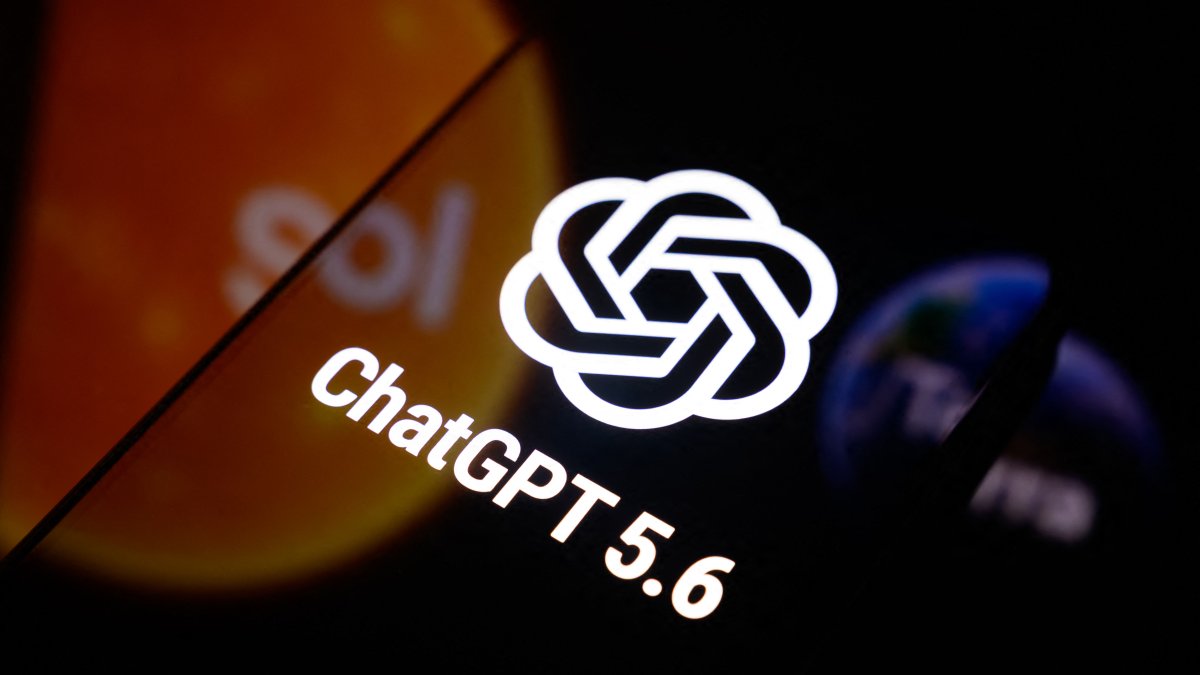
OpenAI announces the launch of the latest update to its flagship language model on June 29, 2026.

The White House’s technology policy has caused confusion and is keeping private companies in the sector on alert after directly intervening in the launch schedules of major artificial intelligence firms.
The Trump administration formally requested that OpenAI postpone the mass rollout of its new line of models, an unprecedented move that has raised suspicions among analysts across the political spectrum due to regulatory inconsistency and the potential impact on U.S. competitiveness.
Until recently, the White House had maintained a hands-off approach to foster development in the face of foreign competitors.
However, a recent executive order requiring technology corporations to submit their systems to government oversight in advance voluntarily has changed the rules of the game. This lack of institutional predictability drew immediate criticism.
Neil Chilson, director of AI policy at the Abundance Institute and former chief technologist at the Federal Trade Commission (FTC), noted that this episode undermines the agenda of the administration itself, warning that the government has blocked access to a leading U.S. model without clear rules or transparency, and concluding that “China must be celebrating.”
OpenAI yields to pressure while a formal framework is sought
OpenAI explained that it planned to preview its GPT-5.6 series—which includes the Sol, Terra, and Luna models—to a select group of strategic partners.
After demonstrating the technology’s capabilities to government authorities, the company agreed to the official request to postpone the mass rollout for at least several weeks, citing alleged cybersecurity concerns.
Although the company voluntarily complied with the request, its CEO, Sam Altman, stated on X that, while it is reasonable to roll out models with advanced capabilities iteratively, “this is not exactly the process we consider optimal” for regulating the technology.
Currently, officials from the administration are working to design a formal framework that defines the standards and the manner in which corporations must submit their systems for review.
De-escalation with Anthropic and pressure on Meta
In parallel with the restrictions imposed on OpenAI, the Department of Commerce chose to ease tensions with another of the industry’s most influential firms.
According to a letter revealed by The New York Times, Commerce Secretary Howard Lutnick revoked a June 12 order that required Anthropic to apply for export licenses and transfer authorizations for its advanced tools Claude Mythos and Claude Fable, which have a high capacity for identifying security flaws in software systems.
The easing of these controls came after Anthropic agreed to implement safeguards, collaborate with the government on developing protocols, and report any malicious activity.
Despite this regulatory relief, the White House increased pressure on Meta, the only major developer that has not yet agreed to submit its models for federal evaluation voluntarily.
In response to the companies' collaboration, which aligns with the executive order's guidelines, White House Chief of Staff Susie Wiles expressed her gratitude on social media, stating that the government's shared priority is to ensure the best technology is deployed as quickly and safely as possible.

Politics
Washington re-authorizes the use of Anthropic's most advanced AI for a limited group of partners
Diane Hernández
Technology
Trump Signs Orders to Accelerate Quantum Computing: The U.S. Seeks to Surpass China and Shield Government IT Systems from Cyberattacks
Emmanuel Alejandro Rondón
LATEST