OpenAI hires former Army Secretary Dan Driscoll to promote AI in national security, cyber defense
The former official will serve as Senior Advisor for National Security Modernization and will work alongside OpenAI's leadership, as well as with governments, companies, universities, and partner institutions.
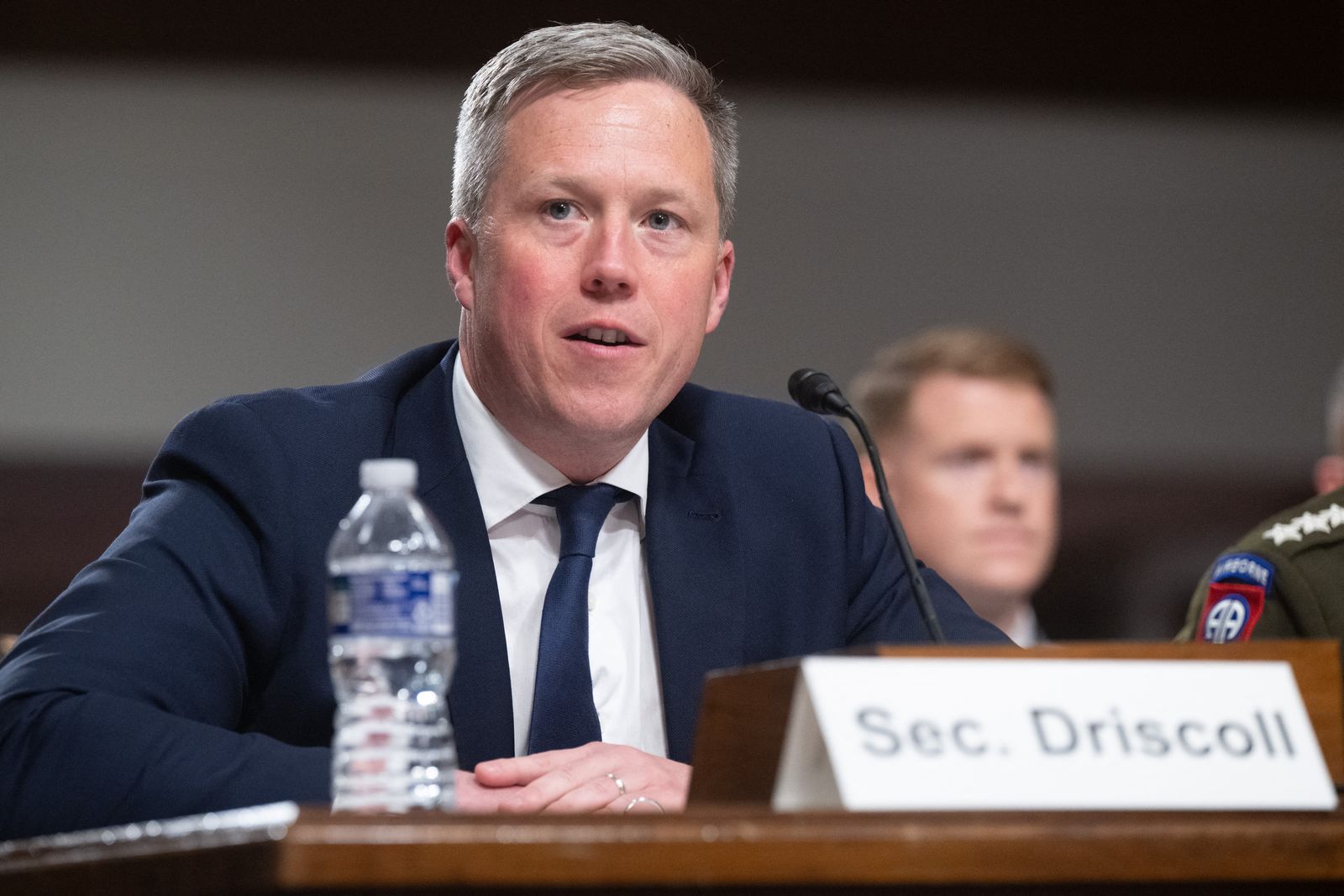
Former Secretary of the Army Dan Driscoll

OpenAI has hired Dan Driscoll, former U.S. Secretary of the Army as senior advisor for national security modernization. The newly created position aims to guide the company on the responsible use of artificial intelligence in defense, cybersecurity, and cooperation with allies.
A role designed to bridge the gap between AI and defense
According to reported a company press release, Driscoll will serve as Senior Advisor for National Security Modernization and will work alongside OpenAI's leadership, as well as with governments, companies, universities, and partner institutions. His role will be to identify practical applications of advanced AI to improve national security and cyber resilience.
OpenAI also expects the former official to help its internal teams understand the operational needs of security institutions in different countries. In this way, the company seeks to align the development of its models with the real-world demands of public and military agencies.
Tech & Science
Hispanics are driving the adoption of artificial intelligence in the country
Williams Perdomo
Military experience and political context
Driscoll was the 26th U.S. Secretary of the Army, responsible for that branch's operations, modernization, and resource management. His departure from the position followed reports of tensions with Secretary of Defense, Pete Hegseth, although OpenAI's announcement itself focuses on his experience in military modernization.
In a statement, Driscoll said, "I am joining OpenAI to help the United States and our allies put this technology to work for those who protect us, in a responsible manner." He also argued that AI can facilitate information processing and reduce the administrative burden on the armed forces.
Tech & Science
Sam Altman offers to protect US power grid with AI, months after his own company's agents carried out unprecedented hack
Emmanuel Alejandro Rondón
A strategic move for OpenAI
The appointment comes at a time when major artificial intelligence companies are competing to position their systems in sensitive sectors such as defense, cybersecurity, and crisis management. For OpenAI, having a figure with direct experience at the Pentagon can facilitate dialogue with authorities, accelerate modernization projects, and strengthen its image as a trusted partner for Western institutions.
The company further linked the new position to cybersecurity resilience initiatives, including its Daybreak program, aimed at protecting essential services. The strategy aims to promote what OpenAI calls "democratic AI": systems developed and deployed in accordance with what it considers democratic principles and in coordination with partners.
Opportunities and risks
The move confirms that national security has become one of the main commercial and political frontiers of artificial intelligence. With Driscoll on board, OpenAI seeks not only to sell technology but also to influence how allied governments adopt it.
🛠 Do you think there is an error in this article?
Recommendations





LATEST