From 'red wave' to 'blue tsunami': How major parties fared in 2022 and 2026 midterms
Democrats are heading into Election Day with great enthusiasm, given the huge lead their candidates hold in the polls to end the Republican trifecta of the last election. Four years ago, polls predicting a Republican sweep ended in a Pyrrhic victory and left conservatives with a bitter aftertaste.
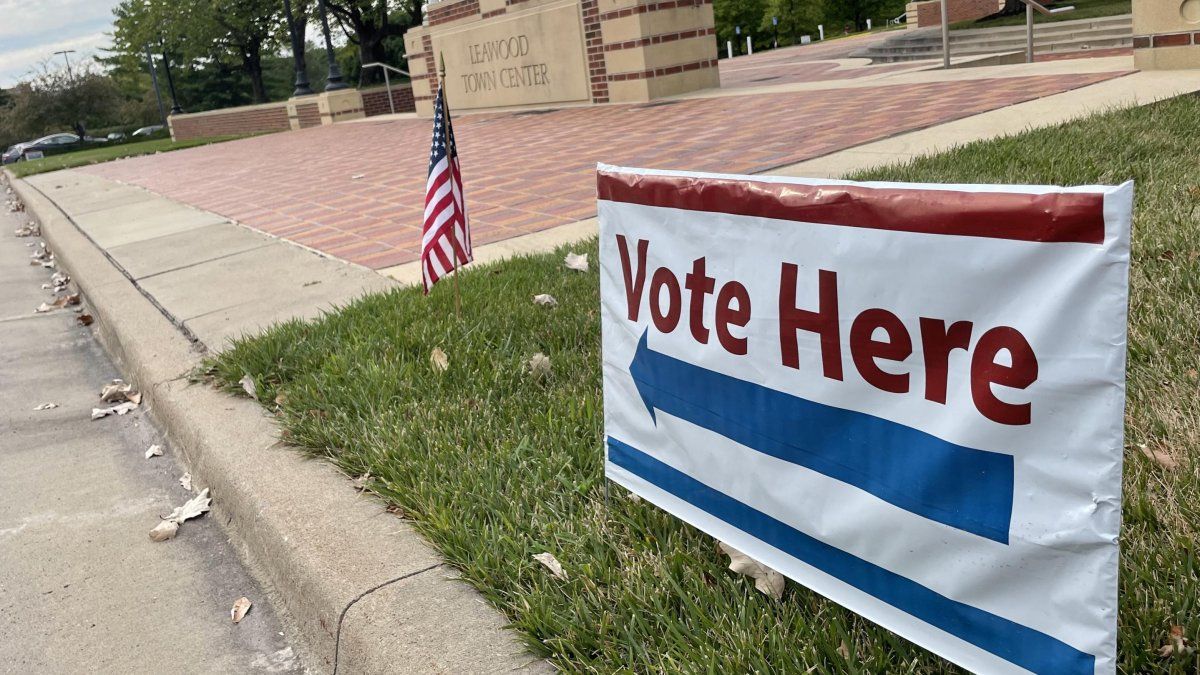
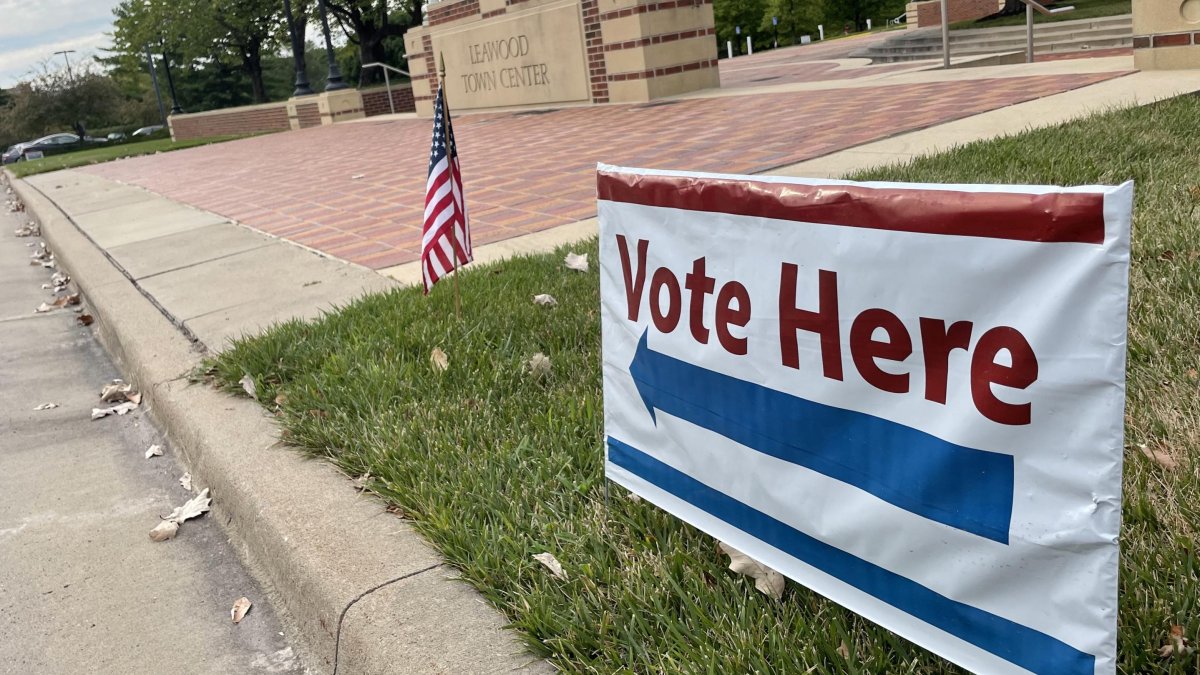
Sign with voting instructions

"From the Red Wave to the Red Wedding." The reference to Ben Shapiro to the memorable episode of "Game of Thrones" perfectly sums up what happened four years ago with the Republican Party in the midterms. Now, it's not a wave that's being predicted, but a "tsunami"—in the words of Gavin Newsom--and one that runs in the opposite direction from the previous one.
With runaway inflation, a border invasion of millions of illegal immigrants being released into the country, an economy heading toward a possible recession, wokism running rampant, crime spiraling, and with progressive prosecutors more concerned about criminals than about victims—and a president who was showing signs of being unfit to hold office due to his gaffes and struggles during each of his public appearances, everything pointed—and the polls indicated—toward a change in political direction.
However, the final Republican victory, which was expected to be epic, was barely a Pyrrhic victory. The conservatives secured a majority in the House of Representatives, but failed to win the 51 seats that would have allowed them to take control of the Senate.
The Democrats surprised everyone by winning 213 seats, when they hadn't expected to reach 200
In fact, internal divisions among the various factions of the GOP in the House led to the election of Kevin McCarthy as speaker, an odyssey that required multiple rounds of voting. Moreover, the Democratic minority leader, Hakeem Jeffries—who replaced Nancy Pelosi, became one of the people to have received the most votes in history to hold the gavel, counting all the attempts to appoint a new Speaker of the House.
The general polls showed a lead of between 2 and 5 points for the Republicans in the House of Representatives, according to the aggregator Real Clear Politics, but the final result was much more disappointing, especially given the number of seats was expected to be higher given the fierce competition for each one.
The conservatives secured 222 seats for a majority of 218, while the Democrats held their ground with 213, significantly higher than expected, given that many of the most reliable pollsters had predicted that the Blue Party would not even reach 200 seats.
The Democrats consolidated their majority in the Senate
In the Senate, both parties entered with 50 senators (the Democrats with 48, plus the seats held by independents Bernie Sanders and Angus King, who voted with them). The forecast was that the Republicans would gain control of the Senate, which at that time was controlled by the Democrats thanks to the tie-breaking vote of Vice President Kamala Harris. However, they managed to consolidate their majority by securing 51 seats to the GOP's 49.
On this occasion, once again we are seeing polls that portray a party riding the crest of a wave—or a tsunami, as Newsom points out. According to RCP, the Democrats start with a lead of 8.8 points on average over their rivals.
A 4-point loss—the most optimistic projection for a GOP that trails by nearly 9 points in the polls
The most optimistic poll for conservatives in the last month is the Harvard-Harris on October 26, which points to a defeat by just 4 points. To find a poll that predicted a Republican victory, you have to go back much further: to late August, when the same polling firm predicted a two-point Republican victory.
Control of the Senate hangs in the balance, with traditionally Democratic strongholds, such as Texas, at risk of changing hands for the first time in decades. The conservatives' best asset is the profile of radical candidates, such as Talarico in Texas, or Abdul El-Sayed in Michigan, who could scare off moderate voters.
For example, El-Sayed's rival in the primaries has already announced that she will vote for her Republican opponent.
🛠 Do you think there is an error in this article?
Recommendations







LATEST