'Defensive' attack in Strait of Hormuz: US strikes Iran on Qeshm Island while seeking agreement with Tehran just hours before midterms
According to officials, this does not imply a return to the bombing campaign against Iran or the start of an escalation. Qeshm is not a minor target, as it is home to an underground missile site, a naval base, and a major desalination plant.
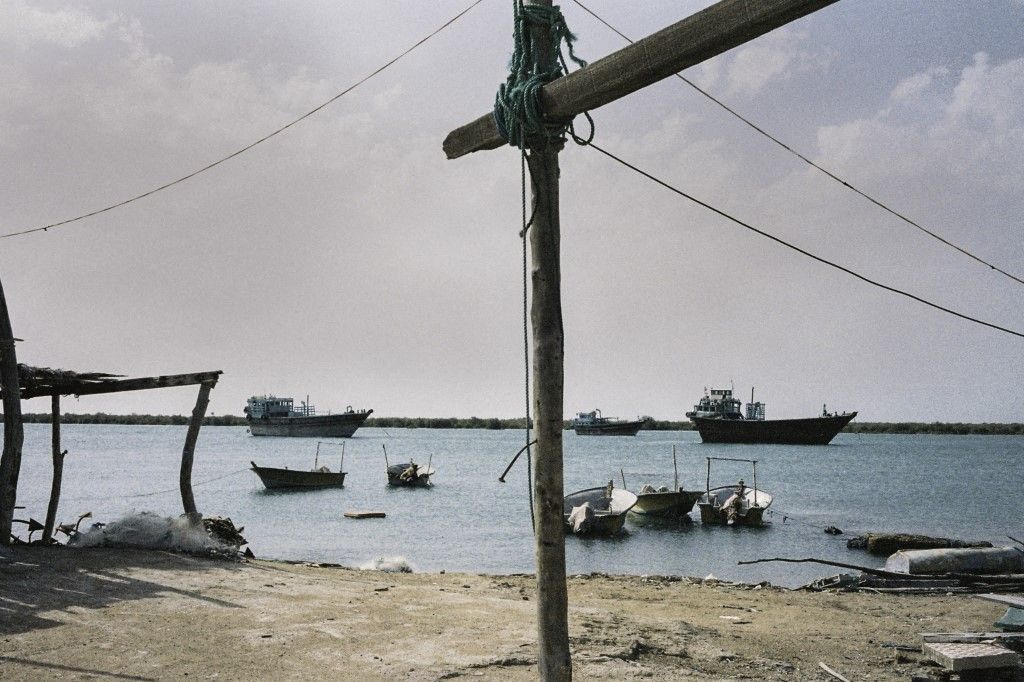
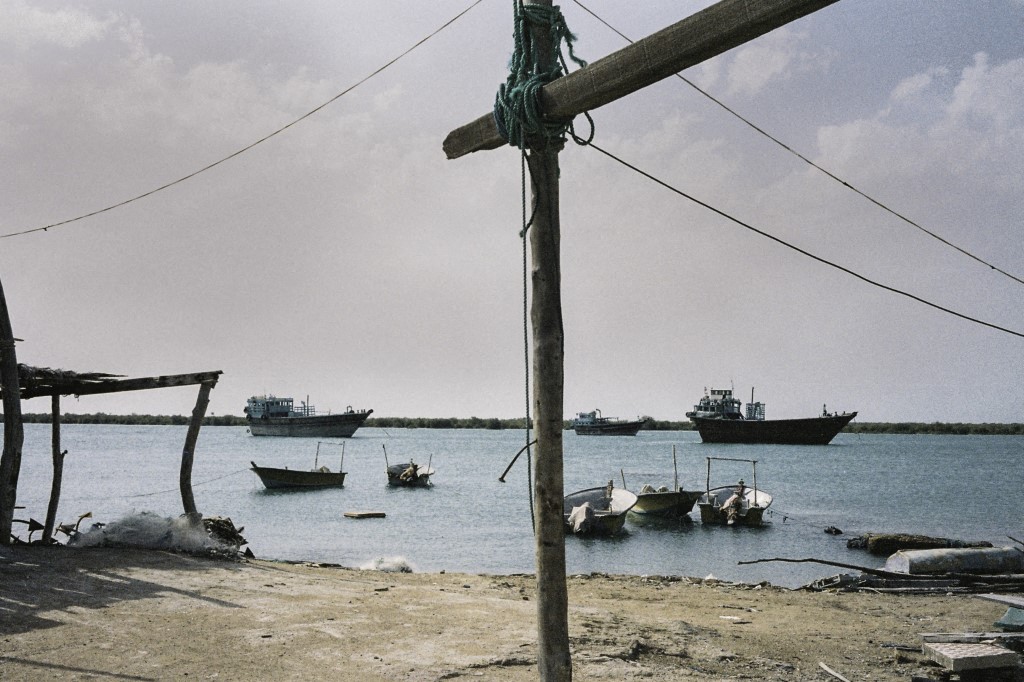
Iran, Qeshm, April 23, 2019, in a file photo

On Monday night, the United States struck Iranian targets on the island of Qeshm, in the Strait of Hormuz, in an operation that U.S. officials described as defensive and limited. The strike came just hours before the midterm elections and in the midst of efforts to reach a negotiated solution with Tehran.
According to an official quoted by Fox News, the attack was a response to Iranian fire directed at a U.S. aircraft. Another official, quoted by the AP, explained that the targets were "Iranians using surface to air missiles against U.S. assets." The operation was first reported by The Wall Street Journal. The Iranian state news agency IRNA reported five successive explosions on the island, and residents said they saw two planes flying over the area at that time.
Washington insisted on setting the limits of the attack. According to officials, it does not mark a return to the bombing campaign against Iran nor the start of an escalation. Qeshm is not a minor target, as it houses an underground missile site, a naval base, and a major desalination plant.
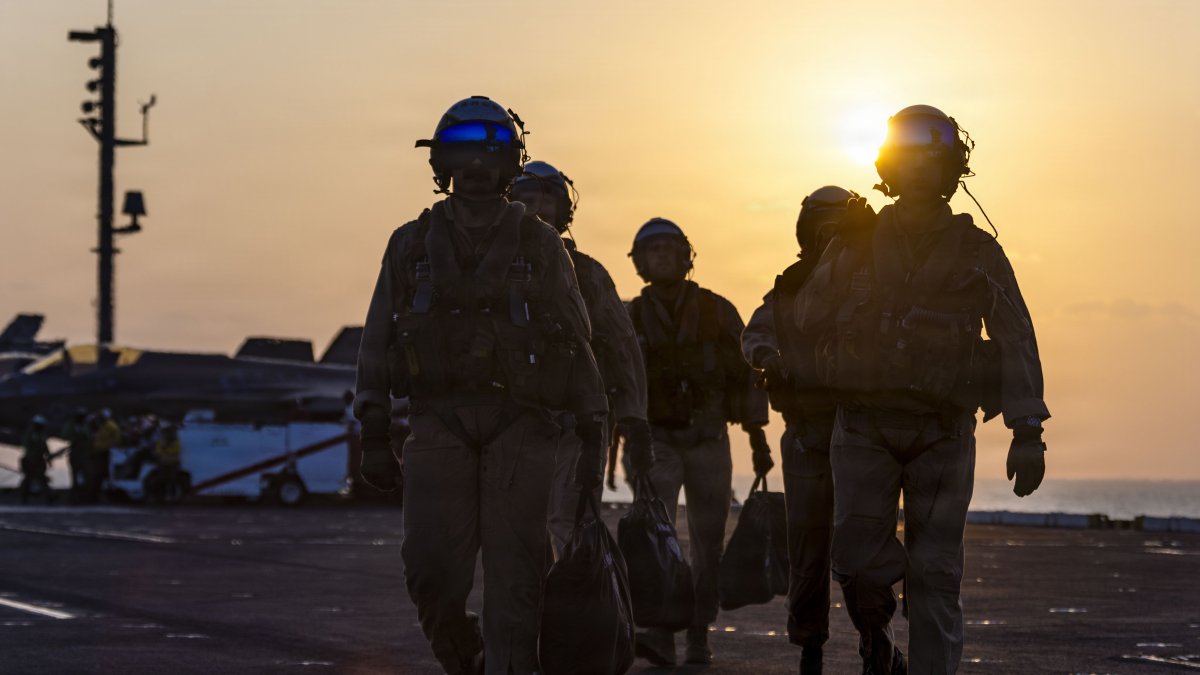
The timing, however, drew attention. Trump had said he would not launch attacks against Iran before Tuesday's election, and the last known airstrikes had taken place in early September. Since then, thousands of U.S. troops have maintained a naval blockade to prevent Iranian oil from reaching the market, and a third aircraft carrier is heading to the region.
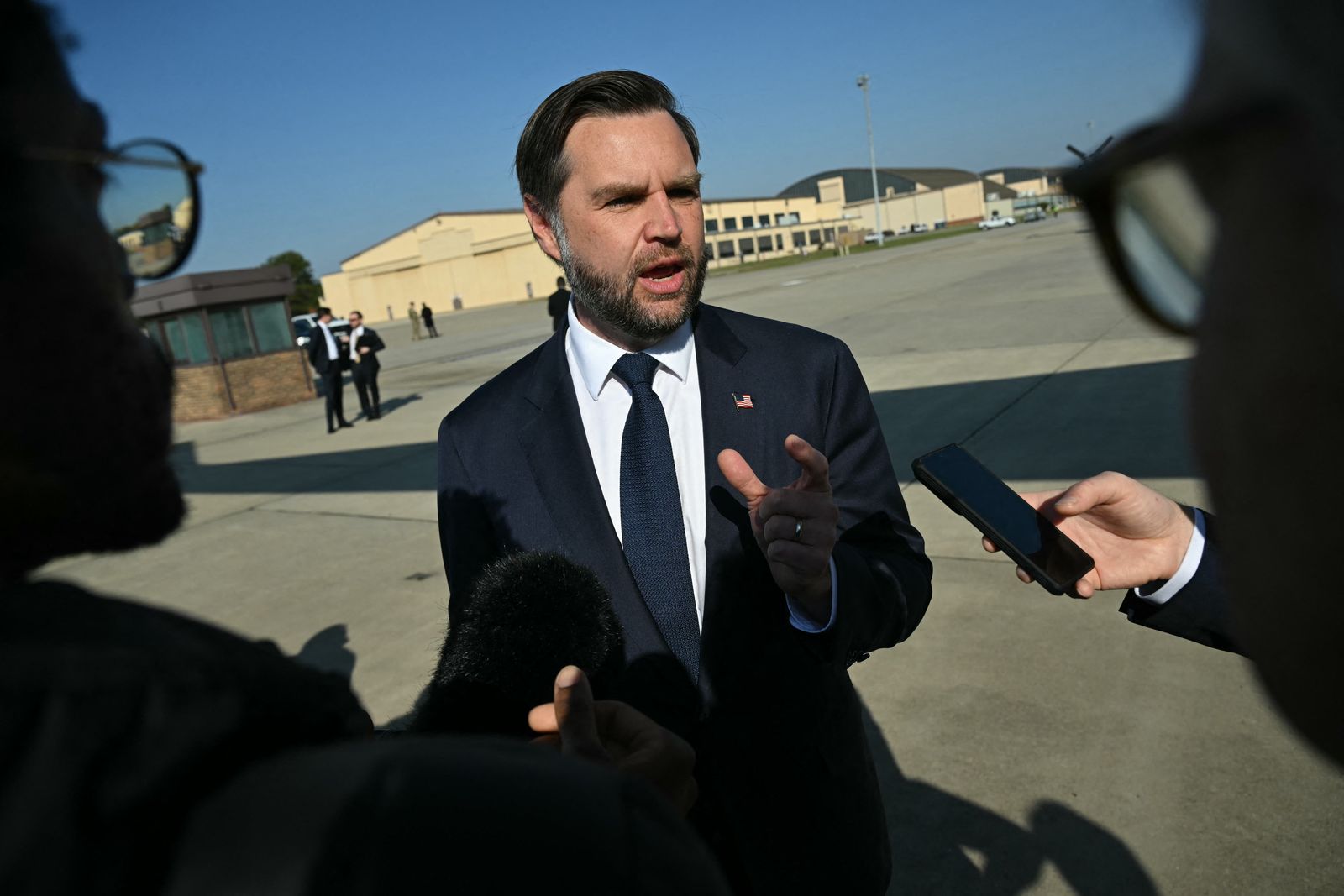
Meanwhile, diplomatic channels remain open. Mediators from Qatar held two rounds of talks last week with Iranian officials and, according to regional sources cited by the AP, are working on a framework under which Iran would stop attacking ships in the Strait of Hormuz in exchange for the United States lifting the blockade on its ports. Further meetings are expected this week. Hours before the attack, Vice President JD Vance expressed optimism. "The president and I both feel pretty good about the prospects for potentially coming to a negotiated settlement," he said. Last week, Vance sent a letter to Iran's security chief, Mohsen Rezaei, who stated that Washington's tone "has completely changed."
Not everyone is pulling in the same direction. Israeli Prime Minister Benjamin Netanyahu pressed Trump during a call over the weekend to launch a new wave of attacks after the U.S. elections, according to two regional officials and another person familiar with the matter. The president did not commit to doing so. Other U.S. allies in the region, however, warn that a new escalation could intensify Houthi attacks against Saudi Arabia and maritime traffic in the Red Sea.
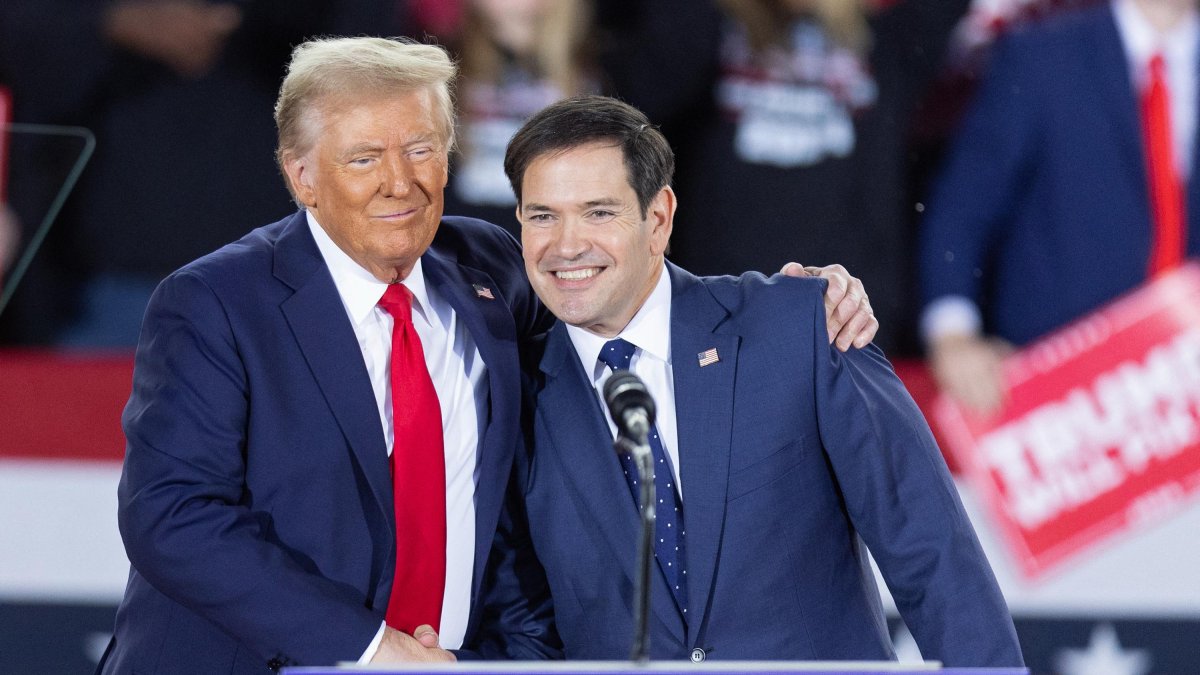
The war is also weighing on domestic politics. The conflict, which has already cost taxpayers at least $47 billion, has sent gas prices soaring and has become a weak spot for Republicans. In his campaign closing speech, Trump sought to downplay its significance. “I don’t know if you even call it a war, because we haven’t been doing any fighting for months," he said, while highlighting the sharp drop in oil prices following diplomatic progress.
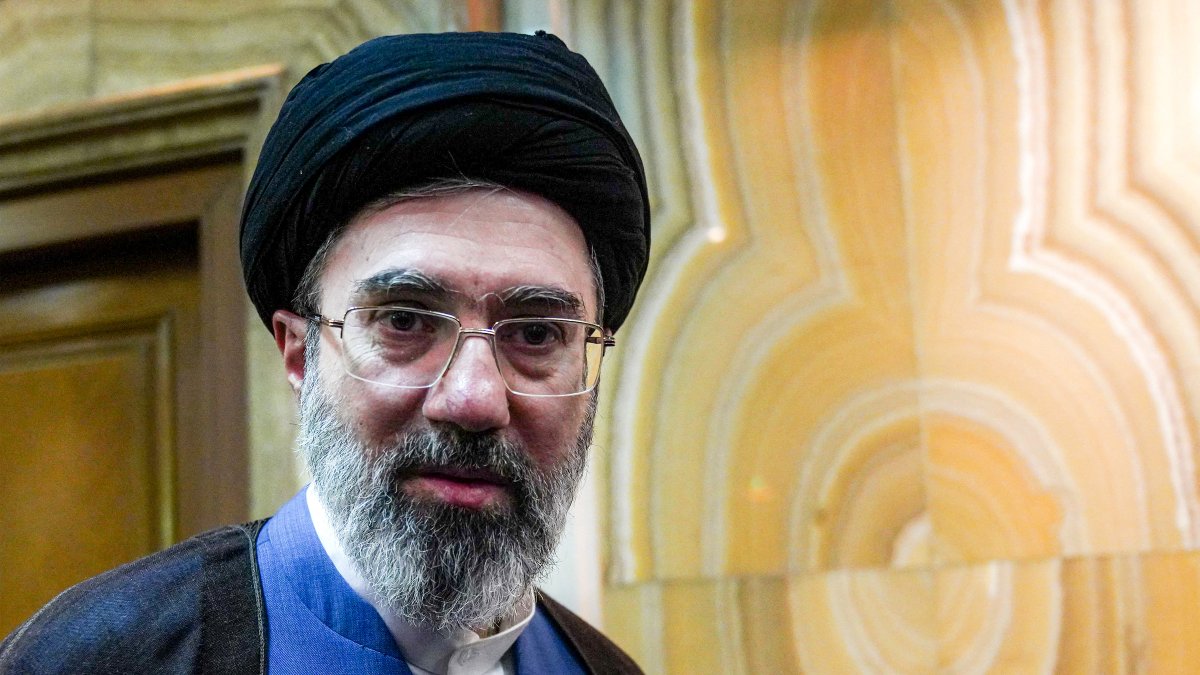
On the Iranian side, the message is twofold. Tehran is demanding guarantees that the United States will honor any agreement, and the new Supreme Leader, Ayatollah Mojtaba Khamenei, ordered his military leaders to ensure that the response to any threat is immediate and without geographical limits.
🛠 Do you think there is an error in this article?
Recommendations




LATEST