Florida turns to artificial intelligence to combat dengue outbreak with over 700 cases
Researchers at the University of South Florida are using satellite imagery and artificial intelligence systems to locate mosquito breeding sites and slow the spread of the disease.
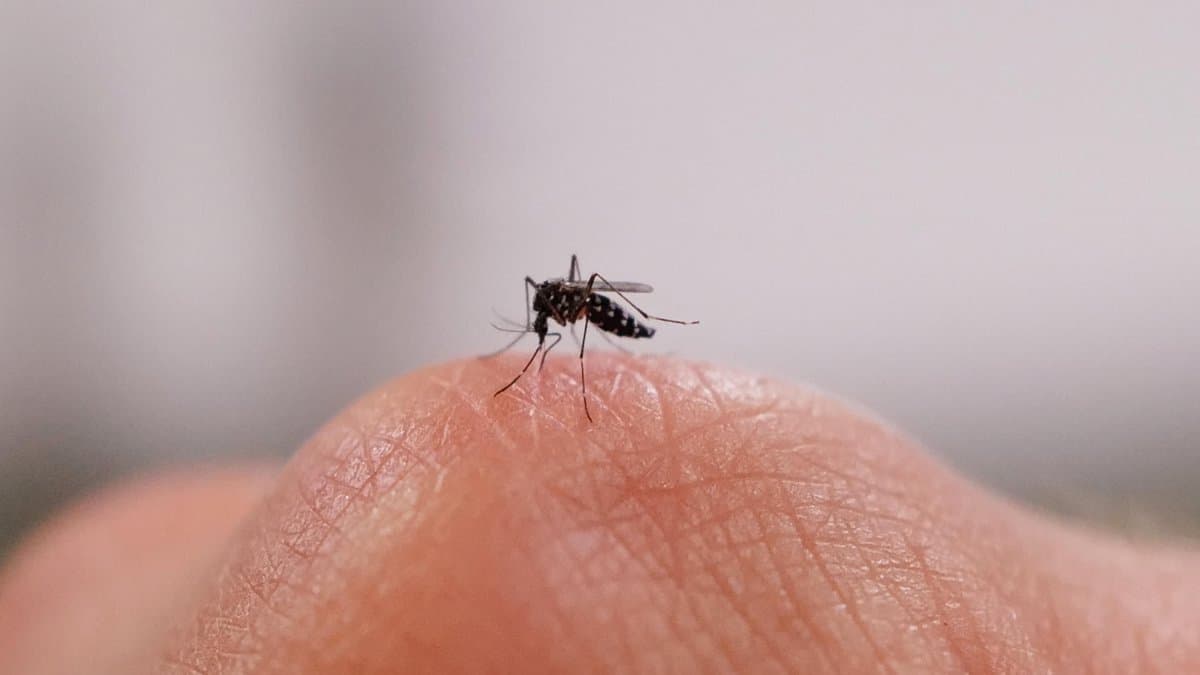

Florida is turning to artificial intelligence (A.I.) to combat one of the largest dengue outbreaks recorded in the state in recent decades, with more than 700 cases reported in 2026.
A team of researchers from the University of South Florida (USF), led by Professor Benjamin Jacob, developed a system that combines satellite imagery, meteorological information and data on mosquito breeding sites to identify areas at highest risk for the proliferation of the disease-carrying insect.
As reported by Just the News on Monday, the technology makes it possible to locate potential breeding sites and provide that information to health authorities to facilitate mosquito eradication efforts.
Health
Dengue: Climate and human mobility are driving the disease's spread to new regions
Diane Hernández
How the A.I. system works
The system can detect potential breeding sites in small spaces where stagnant water accumulates, such as abandoned tires, flowerpots and household containers. This allows control teams to focus their efforts on specific locations, rather than relying solely on widespread spraying.
The initiative comes amid a significant increase in infections. According to figures compiled by Just the News, Florida had recorded 425 cases of local transmission and another 288 associated with international travel , with Hillsborough County—where Tampa is located—as the main epicenter of the outbreak.
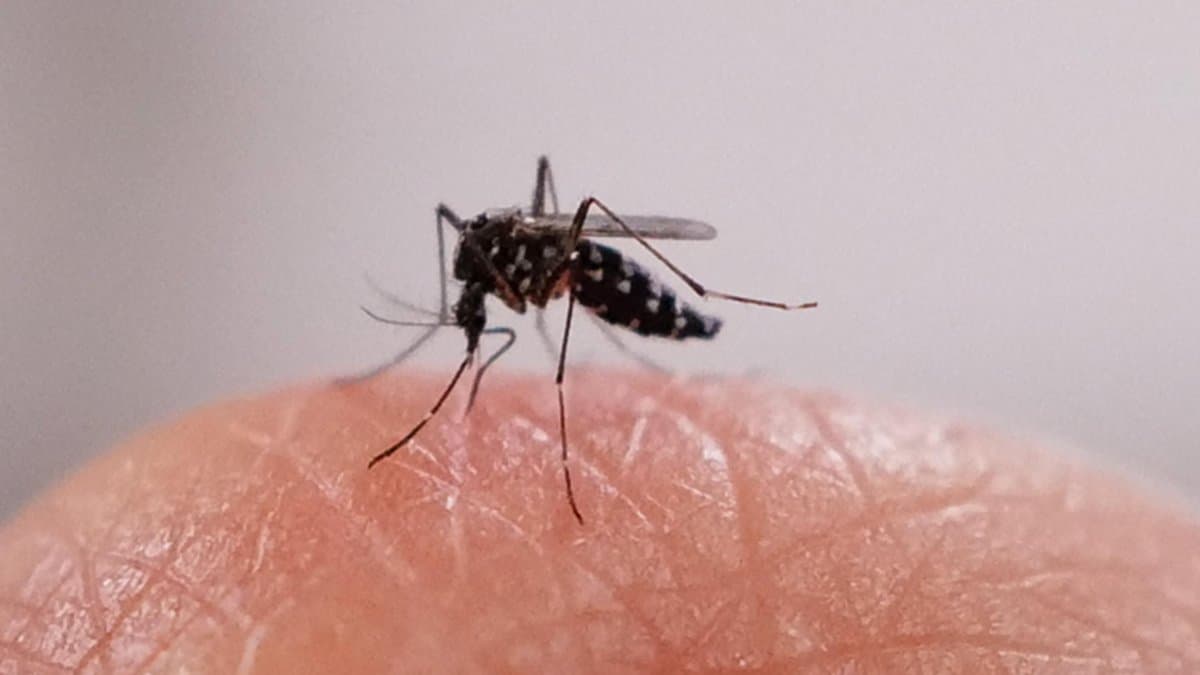
Dengue fever, transmitted primarily by the Aedes aegypti mosquito, can cause high fever, muscle pain, nausea and, in severe cases, life-threatening complications. In September, health authorities confirmed the first dengue-related death in Florida this year.
A.I. used to identify mosquito species
These tools aim to accelerate epidemiological surveillance and enable faster interventions in response to new transmission hotspots, while authorities recommend that residents eliminate standing water around their homes and use repellents to reduce the risk of bites.
🛠 Do you think there is an error in this article?
Recommendations







LATEST