Appeals court rules that undocumented immigrants may remain in custody without bail hearing
The decision represents a legal victory for the Trump administration, as it allows certain immigrants who entered the country illegally to remain in custody while their deportation proceedings are underway.
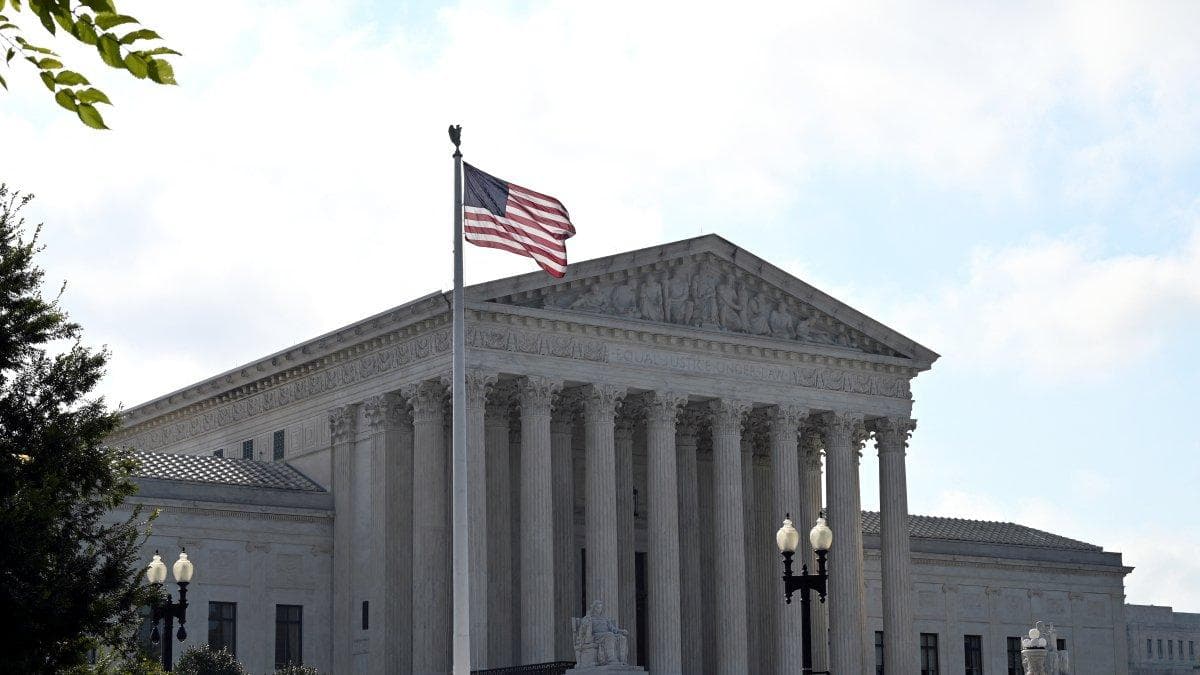

The U.S. Court of Appeals for the Fifth Circuit ruled on Friday, October 23 that immigrants who were never legally admitted to the United States do not have a constitutional right to a bond hearing to request their release while facing deportation proceedings.
According to reports by <span>Just the News</span>, the ruling represents a major victory for the immigration policy of President Donald Trump, whose administration has advocated for the mandatory detention of immigrants who entered the country illegally.
What does the decision mean?
A bond hearing allows an immigration judge to assess whether a detained person may be released while their immigration status is being determined, taking into account factors such as the risk of flight or a danger to the community.
However, the judges concluded that, under Section 1225(b)(2)(A) of immigration law, individuals who have not been legally admitted may remain in detention without the requirement to hold such a hearing, even if they have been living in the United States for years.
The court also held that the duration of detention, on its own, does not constitute a constitutional violation that would justify ordering release in the cases examined.
The lawsuits filed by three immigrants
The case arose from lawsuits filed by three immigrants—two Mexicans and one Honduran—who had lived in the United States for years and were detained by immigration authorities. Lower courts had ordered their release, but the Fifth Circuit overturned those decisions.
The ruling strengthens the federal government's ability to keep certain immigrants in custody during their deportation proceedings. It does not, however, mean that all individuals without legal status automatically lose the right to request a bond hearing, nor does it eliminate the possibility of filing other legal challenges.
The decision comes amid a dispute among federal courts over the scope of the government's detention powers. The Supreme Court had already agreed to review the case, so a definitive ruling at the national level remains pending.
🛠 Do you think there is an error in this article?
Recommendations






LATEST