Bolivia’s top prosecutor is accused of protecting drug traffickers—and the left cries American interference
Bolivia’s attorney general has been arrested for allegedly shielding drug traffickers. Meanwhile, the left is trying to destabilize Rodrigo Paz’s government and accusing Washington of interference.
Published
On September 30, Bolivian police arrested the country’s attorney general, Roger Mariaca, on allegations of protecting drug traffickers and laundering money. The man entrusted with pursuing criminals now stood accused of shielding them. Yet parts of the left have turned their attention toward Washington, alleging American interference and linking the arrest to Mariaca’s investigation of Fernando Cerimedo, a former adviser to President Rodrigo Paz who has worked with right-wing leaders and campaigns across Latin America. The left’s narrative seeks to weaken Paz’s government, inflame tensions, and divert attention from the question Bolivia urgently needs answered: how deeply have drug traffickers penetrated Bolivian institutions?
On September 28, the United States revoked Mariaca’s visa and barred his immediate family from entering the country. The stated reason was serious: American officials accused Bolivia’s former attorney general of soliciting and accepting bribes to facilitate drug trafficking and help violent criminals evade justice. Mariaca rejected the allegations, calling them political pressure. Two days later, Bolivian police arrested him near the international airport in Santa Cruz. What began as a diplomatic sanction had become a criminal case reaching into the highest levels of the country’s prosecution service.
At the center of the case is Sebastián Marset, a suspected Uruguayan drug kingpin captured in Bolivia in March and subsequently transferred to the United States to stand trial. Recordings attributed to Marset circulated before Mariaca’s arrest, including a video in which he describes the prosecutor as his friend. The material also includes a claim that a $500,000 payment allowed him to remain in Bolivia and continue operating. Bolivian authorities accuse Mariaca of leading a network that protected drug trafficking, with charges including criminal organization, money laundering, and trafficking in controlled substances.
Authorities also reported intercepting an ambulance leaving Mariaca’s home carrying approximately $300,000 in cash, allegedly obtained through extortion. If prosecutors establish that criminal networks bought protection inside the agency responsible for investigating them, Bolivia’s problem extends far beyond drugs crossing its borders. It means public authority itself was being sold—and that restoring the rule of law requires pursuing the officials who allegedly made that protection possible.
Faced with allegations this serious, the left has resorted to an old political tactic: cast the United States as the villain and push the alleged corruption into the background. The debate shifts from whether prosecutors protected a drug trafficking network to whether the United States had any right to confront them. It is a convenient way to evade accountability.
The left claims the Mariaca case involves an American violation of Bolivian sovereignty. That is false. But since sovereignty is being invoked, it is worth remembering that the word also means having institutions that cannot be bought. A country whose prosecutors serve criminal interests loses the ability to enforce its own laws, protect its citizens, and govern its territory. Rooting out corruption is an assertion of national independence.
Bolivia has its own reasons to pursue this investigation, beyond Washington’s interest in protecting the United States from the harm caused by transnational drug trafficking networks. Bolivians deserve prosecutors who investigate crimes rather than negotiate protection for those accused of committing them. The patriotic response is to demand that the case reach every official implicated by the evidence.
That is precisely why Bolivians who want their country freed from criminal influence would even have reason to welcome American assistance if their government requests it. When criminal networks operate across borders and buy protection within the state, international cooperation is essential to helping national authorities recover the power those networks have taken from them. Assistance provided at Bolivia’s request would strengthen its sovereignty by helping ensure that Bolivian institutions answer to their citizens rather than to drug traffickers. Paz’s administration has already resumed counternarcotics cooperation with the DEA, including intelligence sharing and support for training and vetting officers. Accepting those tools is a sovereign decision, too.
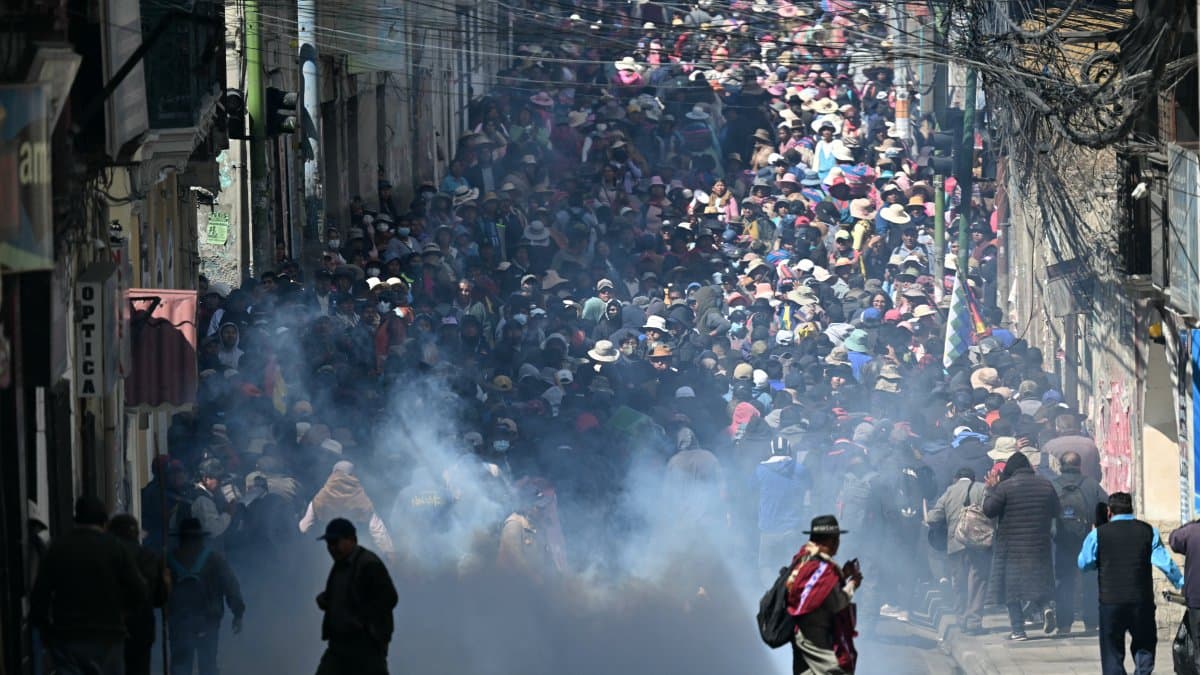
The limits of the Bolivian state’s authority become particularly visible in the Chapare, the coca-growing region where former President Evo Morales remains protected by his supporters. Morales faces outstanding arrest warrants in separate proceedings: one involving aggravated human trafficking, stemming from an alleged relationship with a minor while he was president, and another involving alleged terrorism and armed uprising connected to antigovernment protests. Authorities have attributed their failure to execute the warrants to the difficulty of entering his stronghold without provoking a confrontation with his supporters. His whereabouts are no mystery; the obstacle is enforcing the law when the accused has a private army preventing it.
Members of coca growers’ unions shielding a former president facing serious criminal charges starkly illustrate the enormous challenges facing Bolivian authorities. In a country where arrest warrants are not enough to bring a former president before a court, holding powerful officials accountable is essential. The Mariaca case presents a decisive test: can Bolivian authorities enforce the law even when it involves the attorney general?
Parts of the left would rather redirect attention toward alleged American interference. That familiar refrain offers no answers about who may have sold protection, who benefited, or how deeply criminal networks penetrated the state. Bolivia cannot afford to let accusations against Washington overshadow allegations against its own officials. These investigations must continue—and reach everyone implicated by the evidence, however powerful.
🛠 Do you think there is an error in this article?
Recommendations
LATEST