DOJ accuses Ohio State University's College of Medicine of discriminating against Asian and white students in admissions process
The Department of Justice alleges that the institution favored certain Black applicants over white and Asian candidates in the 2023, 2024 and 2025 admissions cycles. The investigation points to disparities in admission odds and an alternative pathway that allowed admission without test scores or an interview.
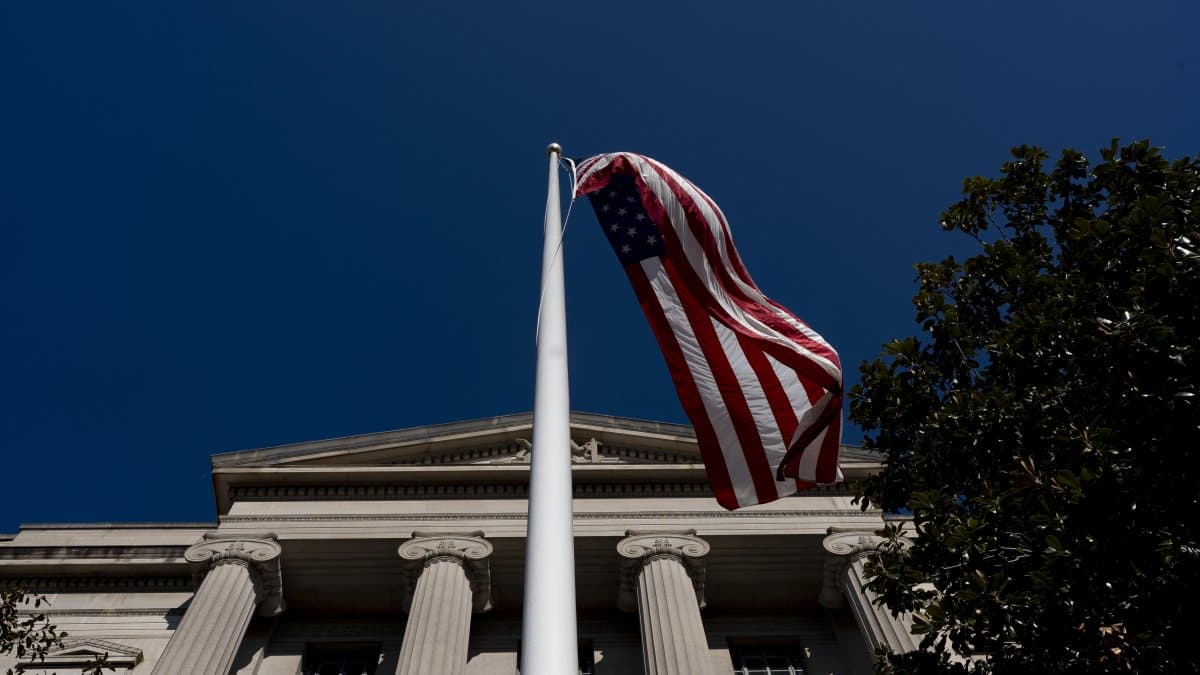

The Department of Justice concluded that the Ohio State University College of Medicine discriminated against white and Asian students during the admissions processes for the classes entering in 2023, 2024 and 2025.
The agency's Civil Rights Division announced on Wednesday the results of an investigation that determined the institution's admissions practices violated Title VI of the Civil Rights Act of 1964, which prohibits discrimination on the basis of race or color, as well as the 2023 Supreme Court ruling in Students for Fair Admissions v. Harvard, which prohibited racial discrimination in college admissions processes.
"Despite SFFA, OSU Med allows some applicants to bypass its own screening process and skip interviews solely because of the color of their skin," said Harmeet K. Dhillon, deputy general counsel for the Department of Justice's Civil Rights Division.
She maintained that all stages of the admissions process must be applied equally to applicants, regardless of race, and warned that the agency will not allow these practices to continue at the medical school or at other institutions of higher education that receive federal funding.
Differences in admission probabilities
According to the findings of the investigation, the college uses a system called the "Holistic Approach" with the goal of admitting more students from minorities considered underrepresented.
This procedure involves evaluating applicants in three categories: attributes, with a maximum of 12 points; experiences, with a maximum of 16; and metrics, with a maximum of 8. The process also includes an interview phase.
The Department of Justice determined that Black applicants who complete the evaluation and interview are approximately 2.8 times more likely to be admitted than Asian candidates with equivalent credentials.
The investigation also identified an alternative pathway that allowed certain applicants to obtain a position without receiving an evaluation score or undergoing an interview.
An alternative path under investigation
According to the Department of Justice, in 2024 and 2025, taken together, Black applicants who used this pathway were four times more likely to be admitted than white applicants. The investigation also noted that no Asian applicants were admitted through that process during that period.
The agency believes these practices violate federal regulations prohibiting racial discrimination in educational institutions that receive federal public funding.
The Department of Justice is threatening to take the matter to court
The agency announced that it will continue to investigate compliance with Title VI at educational institutions, in accordance with the interpretation established by the Supreme Court in the Students for Fair Admissions ruling.
When violations are found, the Department will initiate negotiations to reach settlements that bring admissions practices into compliance with current law. If negotiations fail, they will file a lawsuit.
🛠 Do you think there is an error in this article?
Recommendations









LATEST