Macklemore, Ed Sheeran and the Gaza controversy: What happened and why four artists left the tour
The rapper claimed that the owners of several stadiums forced his removal from the "Loop Tour," while Sheeran denied making that decision and said the promoter made the move.
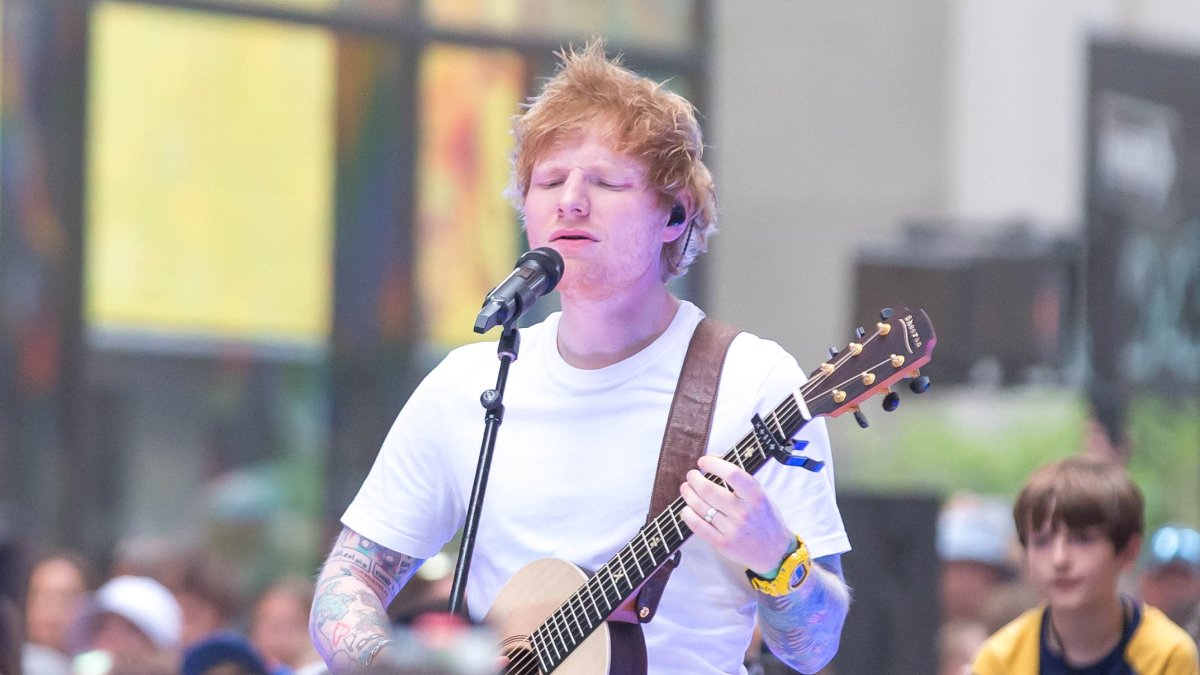
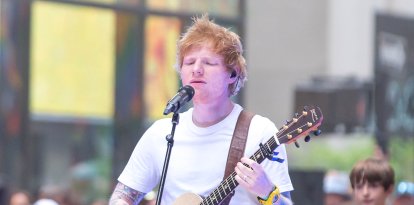
Ed Sheeran in New York/ VANESSA CARVALHO

The "Loop Tour" by Ed Sheeran became embroiled in growing controversy after four artists on the tour left in solidarity with Macklemore, who was removed from the remaining U.S. dates after making statements supporting the Palestinian cause during a concert in New Jersey. The rapper claimed several stadium owners pressured him to be removed, while Sheeran denied making that decision and said the promoter made it.
After Macklemore publicly claimed he had been removed from the tour, Irish singer Aaron Rowe, Irish band Beoga, Danish group Lukas Graham, and FINNEAS, Billie Eilish's brother and collaborator, announced their respective withdrawals.
Beoga even released a statement condemning the "silencing" of Macklemore "by Zionist pressure groups." "We are a traditional Irish band who never saw ourselves playing in stadiums of that size and that opportunity is not lost on us. We have been friends with Ed for over 10 years now and will continue to be. We believe in dialogue as a means of progressing the plight of the Palestinian people," the band added.

World
Trump nominates Wesley Hunt ambassador to Saudi Arabia, congressman who was in country when U.S. killed Bin Laden
Emmanuel Alejandro Rondón
Rowe posted the following on social media: "I don’t take the decision lightly. Ed has been a friend to me and has changed my life, I could never thank him enough for this. But as Irish people, we know all too well about genocide, forced famine and violent occupation."
As for Sheeran, he stated that he had tried to find a solution that would let Macklemore remain on the tour, but ultimately was unable to do so. "Macklemore coming off tour was the promoter’s decision, it was not mine. Macklemore’s contract for the tour was with the promoter, not me. I would never let down the fans who had made plans, nor would I abandon the touring crew and the other support acts and musicians who rely on me for work and to make a living," the British singer said.
What happened?
The conflict began on September 4, when Macklemore opened Sheeran's two concerts at MetLife Stadium in New Jersey. During his performance, the rapper spoke about the situation of Palestinians in Gaza and used the phrase "Free Palestine."
After the concert, criticism of Macklemore began. The Anti-Defamation League (ADL) publicly questioned his statements, and even the singer Pink shared a post on her social media with the hashtag "StopAntisemitism," which called out the rapper's remarks in New Jersey.
On September 14, Macklemore confirmed that he had been removed from the remaining eight dates of the U.S. tour. The rapper said he had several conversations with Sheeran that week and pointed to businessman Robert Kraft, owner of the New England Patriots and Gillette Stadium, as one of the people who pressured him to keep him from participating.
Following Macklemore's statements, the promoter of Sheeran's U.S. tour, Messina Touring Group, confirmed that several stadiums let him know that they would not allow Macklemore to perform due to his comments.
Robert Kraft's Response
As for Kraft, he accused the rapper of having a history of "antisemitic" rhetoric and confirmed that he intervened to prevent Macklemore from performing at Gillette Stadium on September 25 and 26. In a statement, he asserted that the stadium would not serve as a "platform for hate speech."
"Based on Macklemore’s recent actions, material shared from the stage during Ed Sheeran’s shows in New Jersey, and a broader history of antisemitic rhetoric and imagery that we believe has been deeply offensive and hurtful to the Jewish community, we determined that his participation in the September 25th and 26th concerts at Gillette Stadium would cross that line," the businessman noted.
"This decision is not about diminishing the suffering of innocent Palestinians or denying anyone the right to advocate on their behalf. Their pain and loss are real. But that advocacy should not come at the expense of the Jewish community or obscure the responsibility of Hamas, a United States and globally (including Canada, European Union, United Kingdom, and Japan) designated terrorist organization whose horrific actions have caused immeasurable suffering for Palestinians and Israelis alike," he added.
Macklemore defended his statements: "There is no neutral position between the oppressor and the oppressed"
Following confirmation of his departure, the rapper rejected accusations of antisemitism and defended his statements in support of the Palestinian community.
In a long statement on his Instagram account, Macklemore argued that his message was directed against the actions of the Israeli government and not against Jews.
Macklemore also revealed that Sheeran told him his words and actions in New Jersey had hurt some of the people he spoke with. However, the rapper maintained that Sheeran was trying to maintain his usual apolitical stance and that he himself could not be neutral.
"There is no neutral position between the oppressor and the oppressed. When one side has the bombs and bottomless financial and military support from America, refusing to take a side doesn't leave you in the middle," he stated.
LATEST