






ANALYSIS
Why many people are skeptical of mail-in voting
Republican concerns do not come out of nowhere: the system is harder for voters to audit and relies on procedures that vary from state to state. However, available investigations have not demonstrated widespread fraud capable of altering national elections.
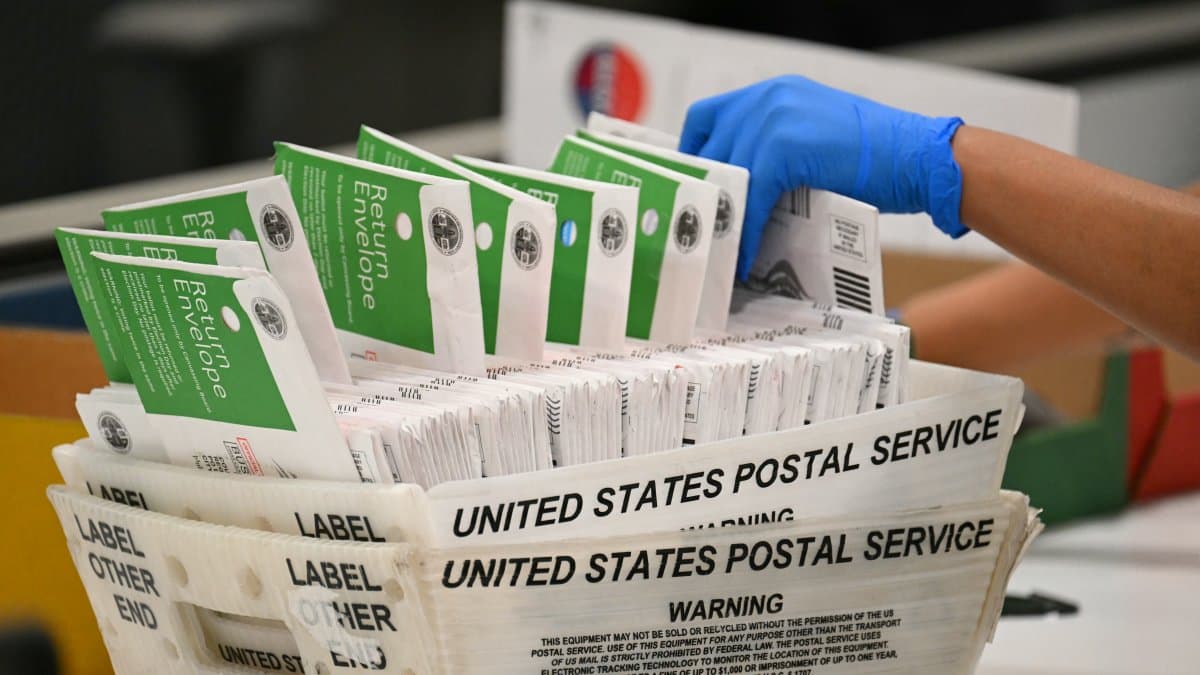

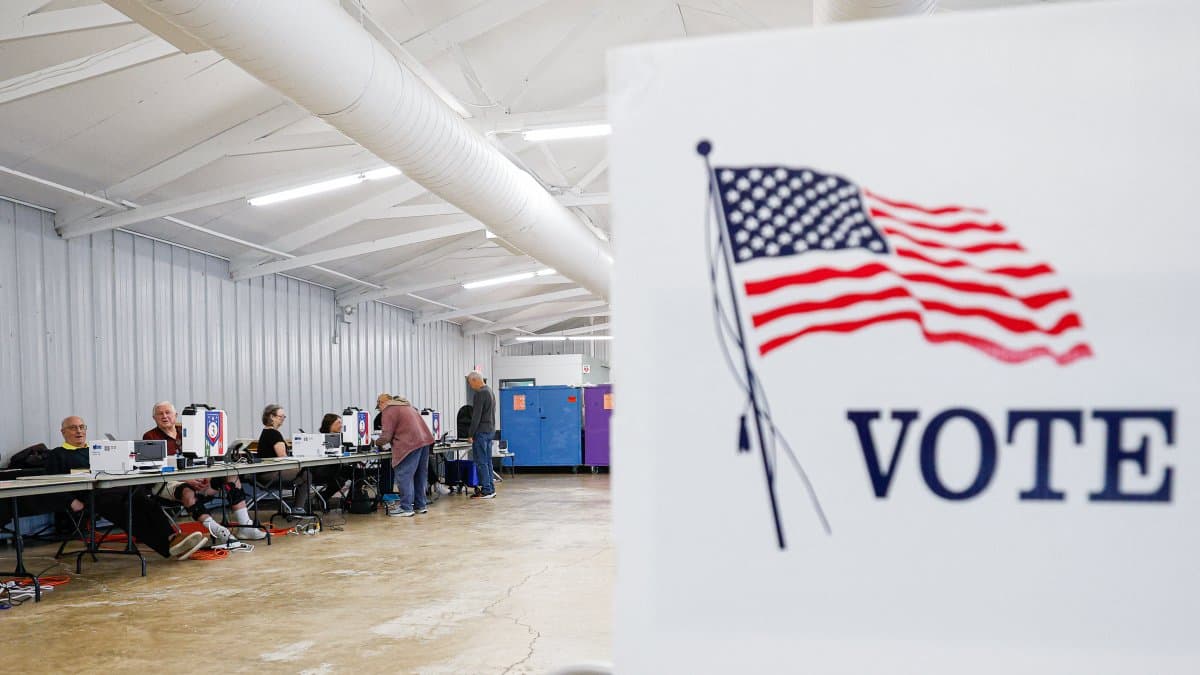
Mail-in voting divides the United States because the debate centers not only on whether fraud has occurred, but also on whether citizens can clearly see who received the ballot, how the voter's identity was verified, and when the vote was counted.
That mistrust grew after the 2020 election, when Donald Trump publicly questioned the use of mail-in ballots. Since then, much of the Republican Party has advocated for stricter requirements, such as voter identification, citizenship verification, updated voter rolls, and more uniform deadlines for receiving ballots.
A system that varies by state
The United States does not have a single model for mail-in voting. Some states automatically send ballots to voters; others require voters to request an absentee ballot and provide a reason for their absence; and still others allow voters to request one without giving a specific reason.
Deadlines, signature requirements, verification systems, and rules for correcting errors on the envelope also vary. For Republicans, this diversity creates a system that is difficult to understand and fuels suspicion that standards are not the same across the country.
Furthermore, the vote count can drag on for days because officials must verify signatures, validate data, and accept certain ballots received after Election Day, provided they were mailed within the timeframe permitted by state law.
What concerns Republicans
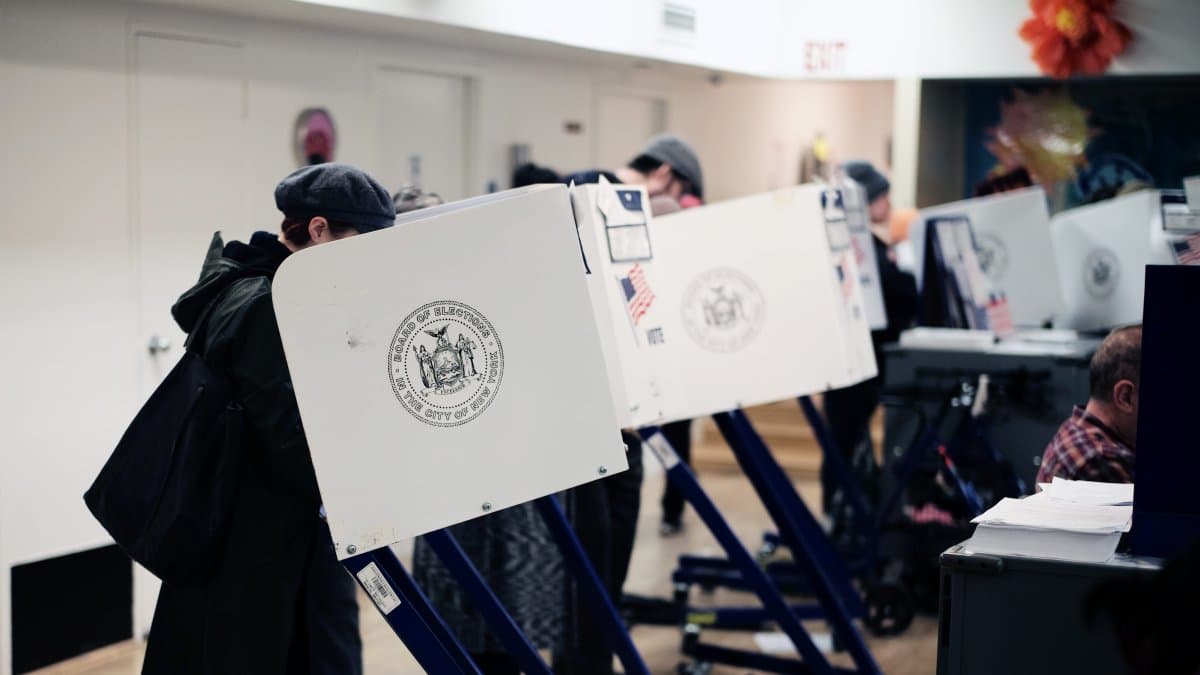
The primary concern is the chain of custody. A vote cast in person is deposited directly into a machine or ballot box supervised by election workers. In contrast, a mail-in ballot passes through more hands: the voter, the postal service, election officials, and, in some cases, collection centers.
The second concern is voter identification. Advocates of stricter controls argue that a signature does not always provide the same level of security as official identification. They also fear that outdated databases could result in ballots being sent to people who have moved, have died, or are no longer eligible to vote.
The third issue is pressure within the household. Unlike a secret vote cast in a voting booth, a ballot filled out at home may be subject to influence from family members, employers, activists, or ballot collectors. Republicans believe that so-called "ballot collection" should be restricted to prevent abuse.
Politics
DOJ asks Supreme Court to allow Trump to impose restrictions on mail-in voting ahead of election
Williams Perdomo
Trump's response
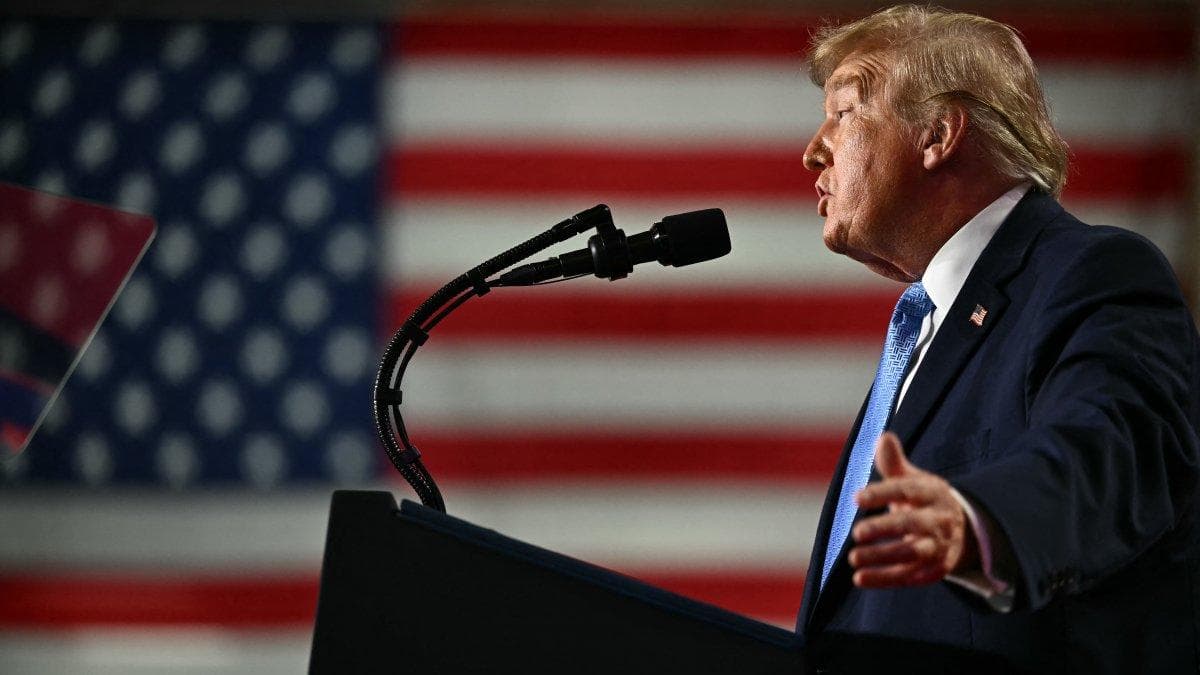
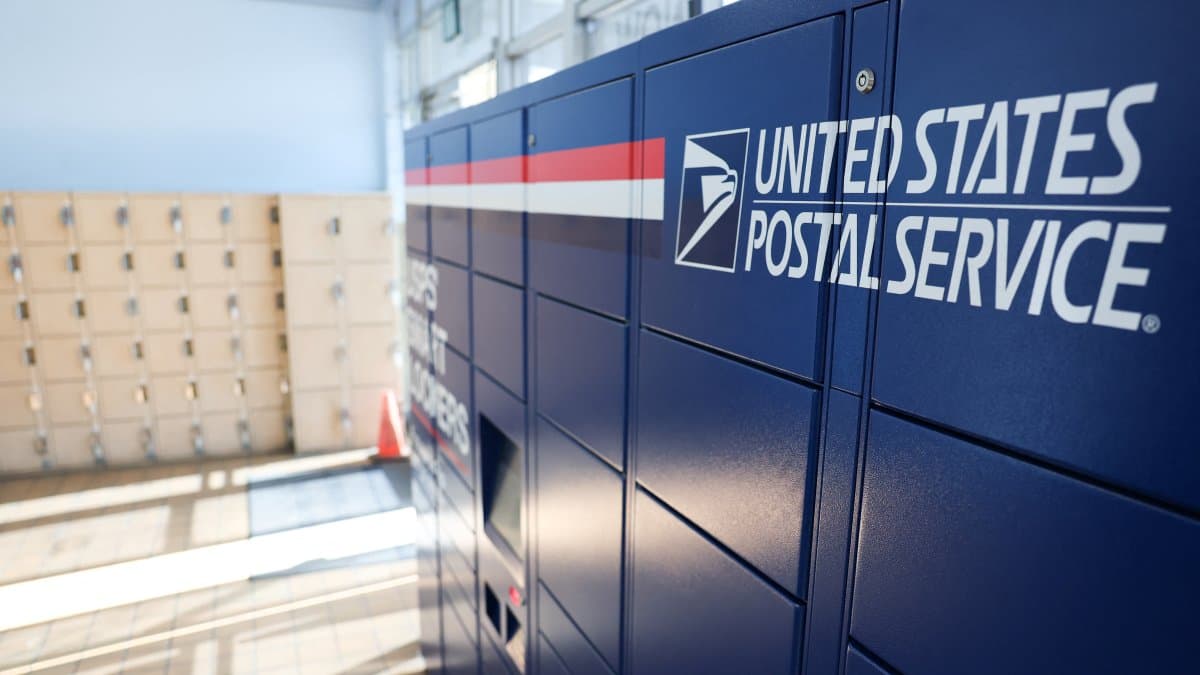
President Donald Trump made tightening election rules a priority on his agenda. In March 2026 he signed the Executive Order "Ensuring Citizenship Verification and Integrity in Federal Elections." The document directs the DHS to use data from the Social Security Administration to compile state-level lists of eligible voters. It directs the U.S. Postal Service to send ballots only to those listed on those rolls and to ensure that the envelopes bear an official mark and a tracking code. It orders the Department of Justice (DOJ) to prioritize investigations into anyone who delivers federal ballots to ineligible individuals.
The White House presented the measure as a way to strengthen citizenship, election security, and vote traceability.
Trump has argued that elections must be "secure and transparent" and that citizens must have confidence in the results. His supporters believe that the new controls do not eliminate mail-in voting but rather aim to prevent ballots from being sent without prior verification of the voter.
Just the News
USPS rush to comply with Trump's mail-in ballot order prone to errors, whistleblower says
Just The News
A constitutional battle
The administration maintains that, when a ballot is sent via the U.S. Postal Service and the election is a federal one, the Executive Branch may set mailing conditions and identify the recipient. It also states that it can prosecute existing crimes: mail fraud, theft or loss of election mail, delivery of federal ballots to ineligible voters, and other violations of federal election laws.
For their part, Democratic states respond that the Constitution leaves the organization of the process to each state and that only Congress can change those rules on a national scale.
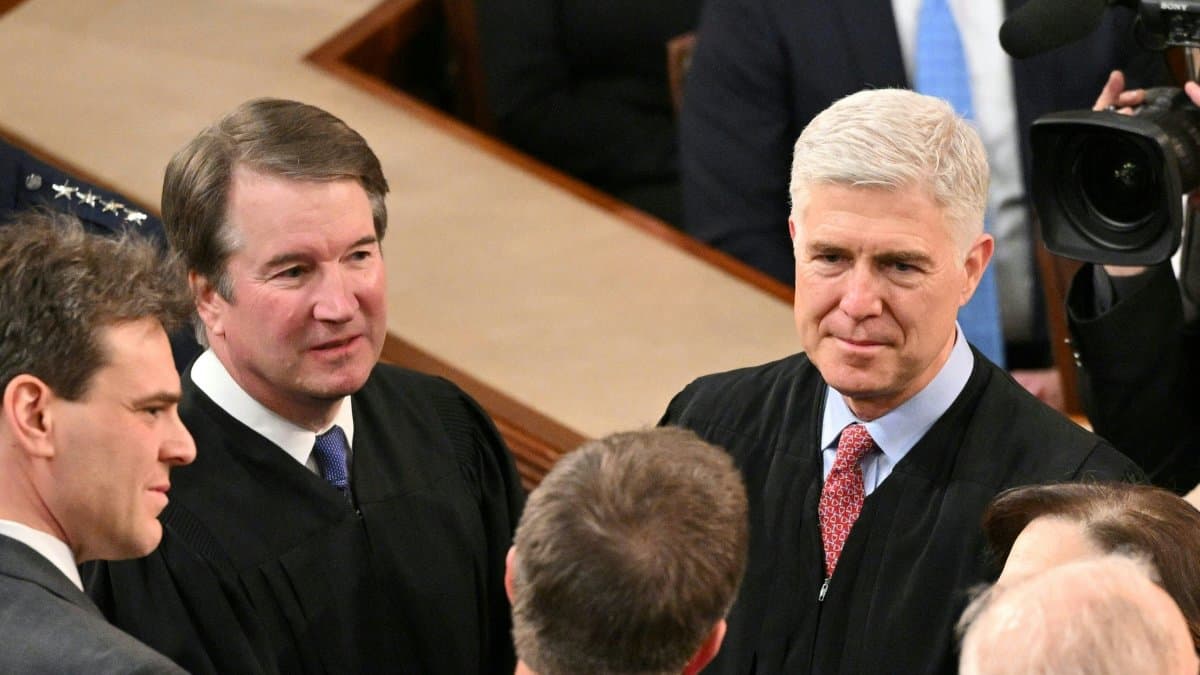
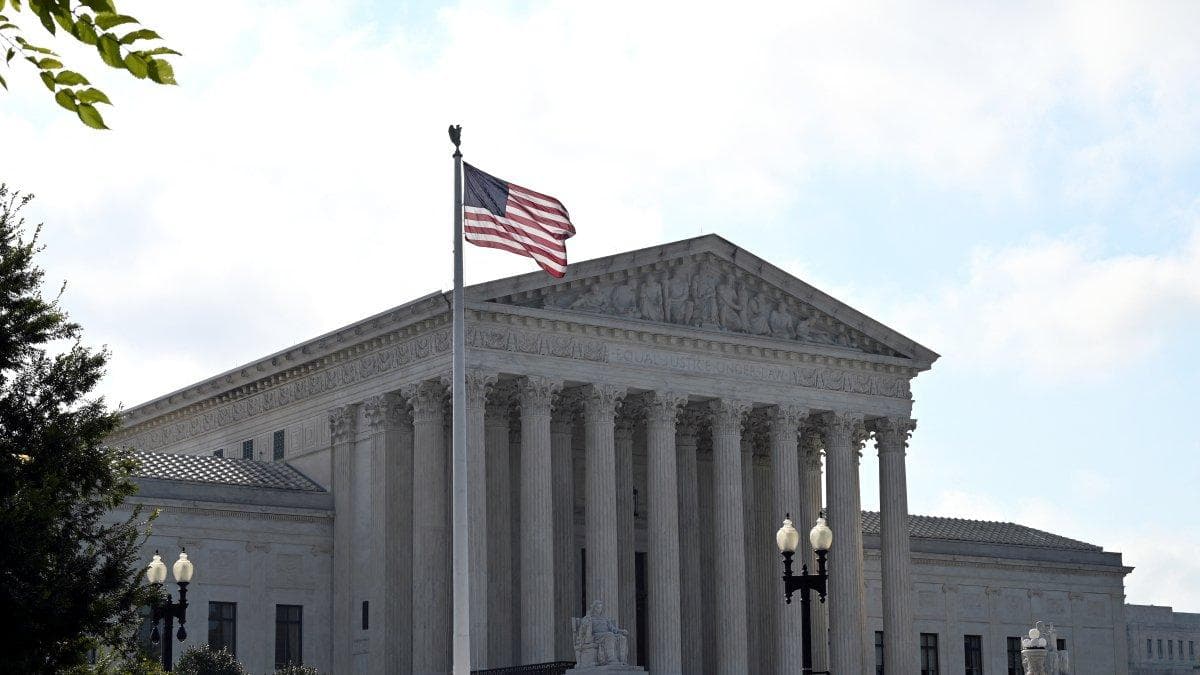
So far, no court has definitively ruled on whether Trump's order regarding mail-in voting is constitutional. On August 24, the Supreme Court (SCOTUS) intervened in the case Trump v. California, filed by 23 states and the District of Columbia against the federal administration. By a 6-3 vote, it lifted the injunction imposed by a federal court in Massachusetts, ruling that the lawsuit was premature. The decision did not declare the order valid or unconstitutional, so the substantive issue remains pending.
Politics
White House calls judge who suspended postal regulations for November election an 'activist'
Andrés Ignacio Henríquez
The litigation continued in the lower courts. On September 4, Federal Judge Indira Talwani once again blocked the mandatory application of the U.S. Postal Service's new rules for the November elections. The measures would require states to provide voter rolls and use envelopes with specific barcodes. Talwani did, however, allow states that wish to do so to voluntarily adopt the system. As of that date, no state had publicly announced its participation.
Days later, the Justice Department again asked the Supreme Court to put Talwani’s injunction on hold. On September 10, the U.S. Court of Appeals for the First Circuit, in Boston, refused to lift that block. The court found that imposing the Postal Service rule less than two months before the midterms could sow confusion and leave some voters without a ballot.
The administration is keeping its appeal before the Supreme Court. Until the justices rule, the postal regulation will not apply on a mandatory basis in November.
Trust versus convenience
But convenience does not eliminate the need for safeguards. For many conservative voters, the central issue is a lack of uniformity: different rules across states, varying deadlines, and verification processes that are not always easy to explain.
The strongest Republican position does not need to claim that all mail-in ballots are fraudulent. It can argue that the system must be more transparent, require reasonable identification, maintain up-to-date records, limit the collection of votes, and clearly publish how ballots are verified and counted.
At this time, the available evidence does not support the existence of widespread fraud. But public trust also cannot be restored by asking citizens to accept the system unquestioningly. The solution lies in combining access to the ballot with verifiable controls and rules that voters can understand.
🛠 Do you think there is an error in this article?
Recommendations




LATEST