Senate blocks the Clarity Act in a major setback for the cryptocurrency industry
The result left the bill's sponsors far short of the 60 votes needed to pass.

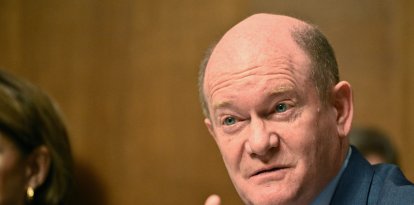
File photo.

In a decisive setback for the technology and financial industries, the U.S. Senate voted 50 to 49 on Tuesday to block passage of the Clarity Act, the most ambitious legislation to establish a clear, favorable regulatory framework for cryptocurrencies.
The result left the bill's proponents far short of the 60 votes needed to pass the bill.
The measure, already approved by the House of Representatives in July 2025 with bipartisan support, failed due to unanimous opposition from the Democratic caucus, joined by Republicans such as Susan Collins of Maine and Josh Hawley of Missouri.
The parliamentary defeat complicates the prospects of granting permanent status to the deregulatory reforms before the November midterm elections.
Partisan opposition and disputes over executive ethics
Democratic resistance centered primarily on the revenue generated by President Donald Trump's digital asset ventures, citing alleged conflicts of interest.
Although Republicans introduced last-minute amendments to prohibit federal officials from issuing or sponsoring digital assets, the opposition called them insufficient.
"All President Trump wants is for the Senate to give him time to commit crimes, and I will not support any legislation that allows him to do so," Democratic Senator Ruben Gallego said after the vote. Along the same lines, Democratic lawmakers justified their blockade by calling the ethical safeguards a sham.
The industry's concern over the risk of capital flight
The block was met with deep concern by industry leaders, who during the Biden administration faced a constant regulatory offensive through federal government lawsuits.
Although the current administration has put the brakes on punitive actions by agencies such as the SEC, companies in the sector are seeking to establish a permanent legal framework to prevent future regulatory shifts.
"Today's vote was a failure of leadership," Mason Lynaugh, executive director of the advocacy group Stand With Crypto criticized. "Every day without action is a day when American innovation, jobs, and investments continue to be sent overseas."
Despite the setback with the Clarity Act, the sector remains strong thanks to prior achievements, including the passage of the Genius Act for stablecoins and backing from super PACs with more than $123 million available for the election cycle.
"It's a real setback, but it doesn't detract from all the progress that has already been made under this crypto-friendly administration," Joseph Chalom, chief executive of the firm Sharplink, emphasized.

Just The News
Judge rules Trump's name must stay off Kennedy Center as board warns of bankruptcy
Just The News/Ben Whedon

Politics
Alex Saab pleads guilty to money laundering and agrees to cooperate with US authorities
Diane Hernández

LATEST