The Hispanic population is the fastest-growing group in San Francisco, even as the city continues to lose residents
Between April 2020 and July 2025, the number of residents who identify as Hispanic rose from approximately 138,000 to 142,500, an increase of more than 3%.
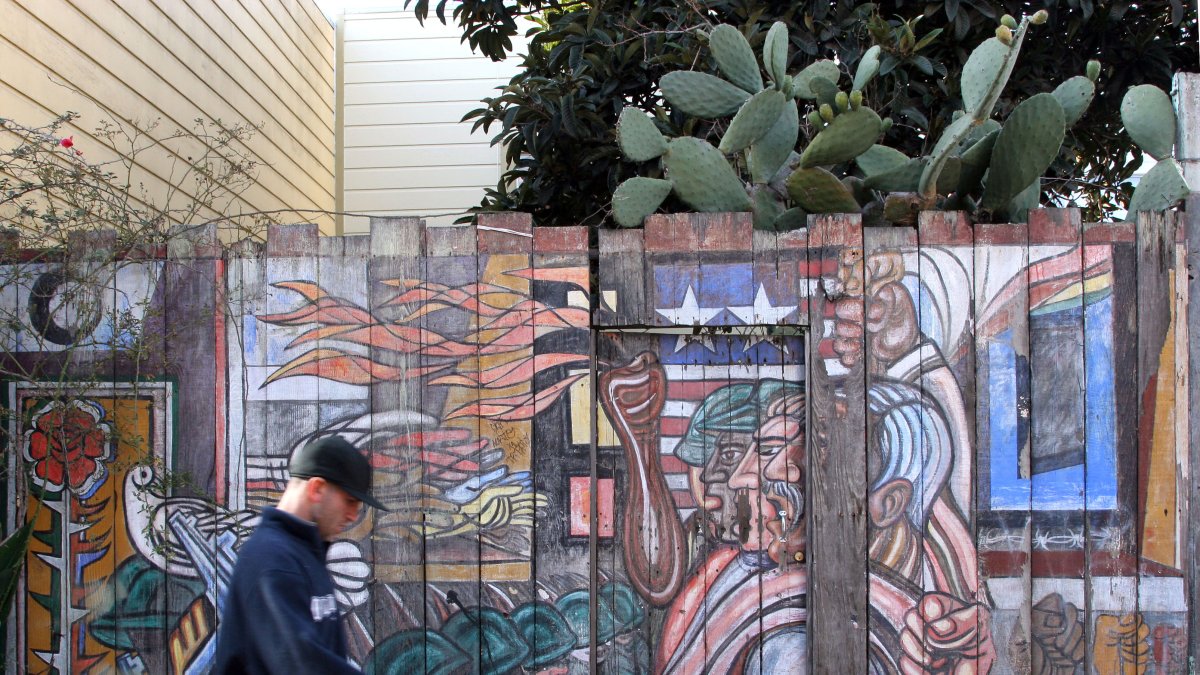
A person walking through the streets of San Francisco

The Hispanic population of San Francisco is the fastest-growing racial or ethnic group in the city, according to the most recent data from the Census Bureau. Between April 2020 and July 2025, the number of residents who identify as Hispanic rose from approximately 138,000 to 142,500 people, an increase of more than 3%.
According to an analysis by the San Francisco Chronicle, during that same period the city’s total population declined, and nearly all other major racial or ethnic groups saw declines. The only other group that increased was that of people who identify as two or more races.
The census does not consider Hispanic origin to be a race, but rather an ethnic category that may overlap with any racial group. To avoid double-counting, the San Francisco Chronicle analyzed Hispanic residents of any race as a single category and excluded them from the counts of other racial groups—a method commonly used by demographers.

Politics
Hispanics are getting ready to vote: 76% say they will go to the polls in the midterms
Williams Perdomo
Although the Hispanic population recorded the largest increase in absolute terms since 2020, the proportion of non-Hispanic Asian residents and people of two or more races also increased within the city’s total population. Non-Hispanic Asians now account for 35.6% of San Francisco’s population, up from 33.9% in 2020, and are on track to become the city’s largest group. The population of two or more races rose from 4.5% to 4.9%, while the proportion of non-Hispanic white and African American residents declined.
The growth of the Hispanic population was driven primarily by increases in the numbers of young children and middle-aged adults. Between 2020 and 2025, the number of Hispanic children under the age of nine increased by 7.6%, while that same age group declined in all other racial categories. The number of Hispanics aged 40 to 69 also grew, while those age groups saw declines among the other major population groups.
A shift in the composition of the Hispanic community
On the other hand, all major racial categories continued to lose population in the 20–29 age group, with the exception of people of two or more races, who saw a 1.7% increase. In contrast, all groups experienced an increase in residents aged 70 to 89, in line with the aging trend of the Bay Area’s population.
LATEST