Transparency or censorship? New York court upholds law requiring social media platforms to enable reporting of hate speech
According to the bill’s supporters, the law merely promotes reporting and transparency mechanisms regarding the internal policies of technology companies, without imposing obligations regarding the subsequent handling of complaints.


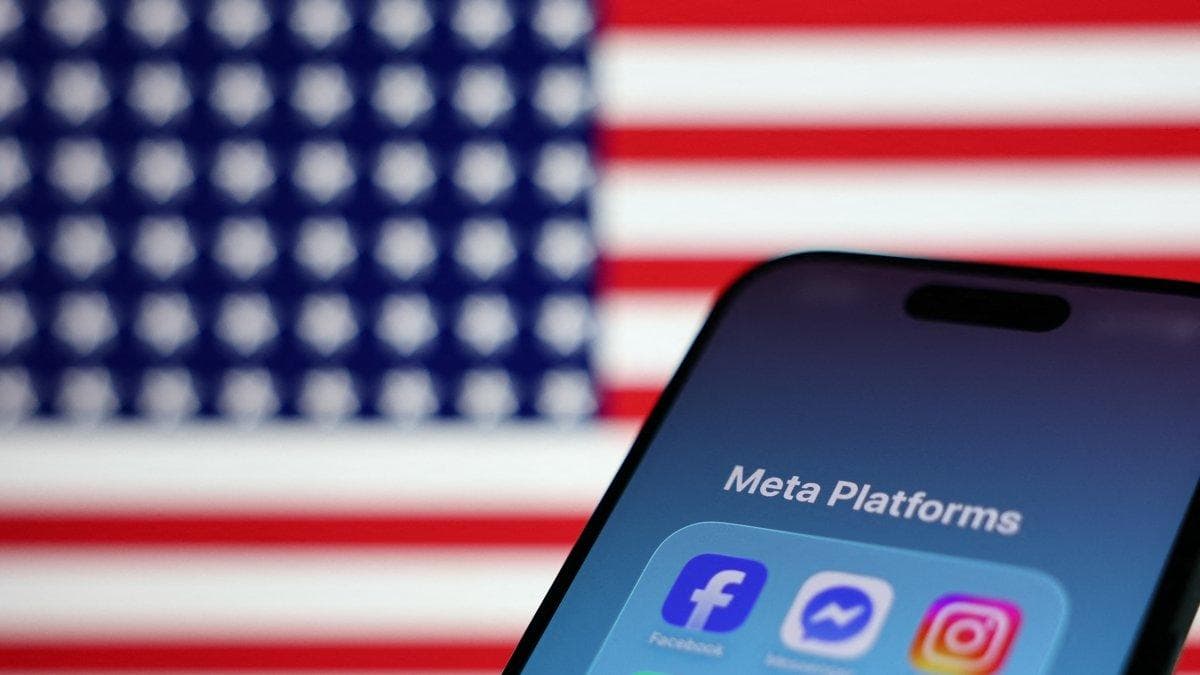
The New York Court of Appeals took a key step in the debate over the regulation of social media by upholding a state law that requires digital platforms to provide mechanisms for users to report content deemed to be hate speech. The decision, adopted by a narrow majority of four votes to three, concluded that the law does not violate the protections of the First Amendment to the Constitution, as it does not require companies to remove posts or adopt an official definition of “hate speech.”
The ruling responds to a request for guidance from the Second Circuit Court of Appeals, which is currently reviewing a lawsuit filed against the legislation and will ultimately decide whether the law can take effect, as explained by Reuters.
Is this a law focused on transparency or censorship?
The so-called Hate Speech Act was passed by the state of New York in 2022, a few months after the racist attack at a supermarket in Buffalo, where a white supremacist killed 10 people after being radicalized by extremist content spread online.
The legislation establishes only two obligations for social media platforms:
- To provide a channel for users to report content they consider to be hate speech.
- To transparently publish the internal policies they use to respond to such reports.
The law does not require platforms to remove posts, block users or adopt a state-mandated definition of hate speech. Nor does it provide for penalties for failing to act on received reports, according to the bill’s supporters.
However, before it went into effect, the law was suspended in 2023 by a federal trial judge, who ruled that its wording was ambiguous enough to have a chilling effect on users’ freedom of speech.
The majority opinion
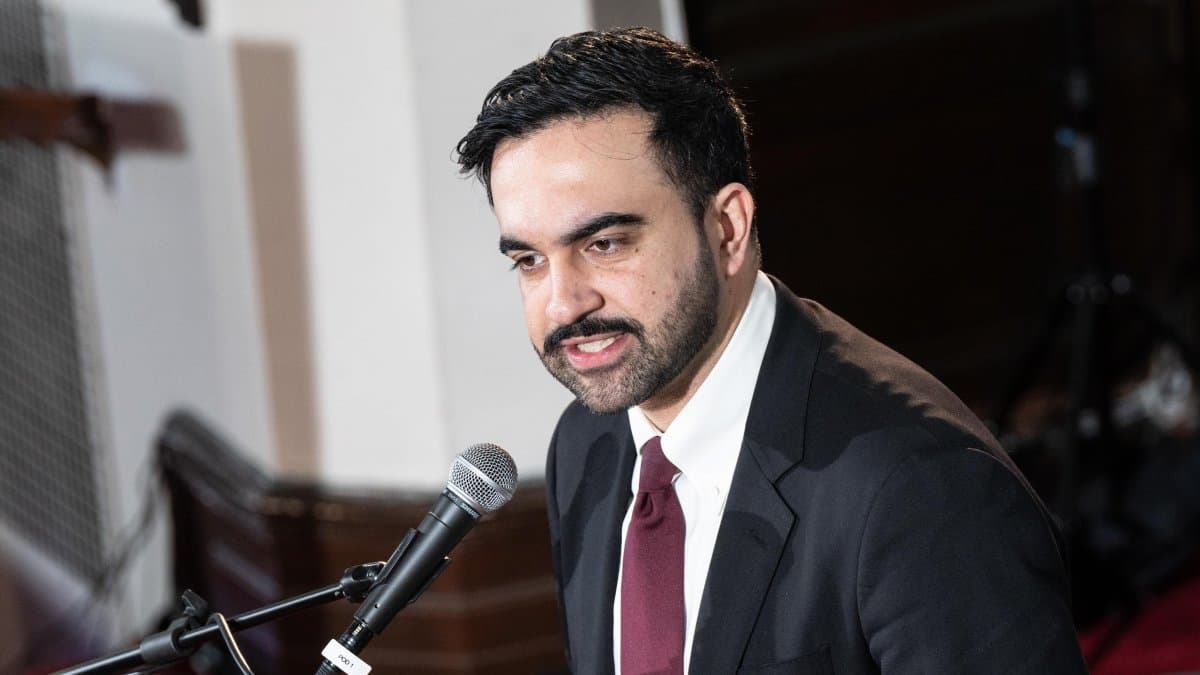
In the majority opinion, written by Judge Anthony Cannataro, the court held that the legislation’s purpose is not to interfere with platforms’ content moderation decisions or to compel them to share the government’s position regarding the social impact of hate speech.
As the judge explained, the purpose of the law is to “empower social media users to alert platforms to content they deem hateful” and therefore it does not restrict anyone’s right to free speech, Reuters reported.
Under that interpretation and according to the drafters, the law merely promotes reporting mechanisms and transparency regarding the internal policies of technology companies, without imposing obligations regarding the subsequent handling of complaints.
Dissenting opinion: Violation of the First Amendment
The three judges who voted against the ruling held a different interpretation. In an opinion drafted by Judge Michael Garcia, they asserted that the law does constitute a form of “compelled speech,” that is, an obligation imposed by the state requiring companies to share a specific official position.
For the dissenting judges, the entire structure of the law is based on the state’s definition of hate speech, so requiring platforms to refer to that concept amounts to forcing them to adopt a government standard for what constitutes hate speech.

Lawsuit continues in federal court
After the state court’s ruling was announced, Corn-Revere expressed his disagreement with the decision, though he acknowledged that the final word will rest with the Second Circuit Court of Appeals.
The office of New York Attorney General Letitia James continues to defend the constitutionality of the legislation.
A debate spanning the entire country
The case is part of a broader discussion about the scope of state regulation of digital platforms in the country.
In recent years, several states have pushed for laws aimed at regulating various aspects of social media, particularly regarding the protection of minors and content moderation. Similar laws passed in Florida and Georgia were also suspended after being challenged on grounds of alleged violations of the First Amendment and remain under judicial review.
Politics
The State of Florida is suing TikTok for allegedly violating its child protection law
Luis Francisco Orozco
In this context, the case Volokh et al. v. James is shaping up to be one of the most significant decisions in defining how far states can go in imposing transparency and operational obligations on tech companies without infringing on constitutional guarantees of free speech.
🛠 Do you think there is an error in this article?
Recommendations






LATEST