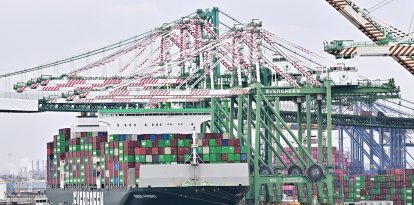
Oil prices fall to pre-Middle East war levels
According to Arne Lohmann Rasmussen of Global Risk Management, the number of oil tankers currently passing through the Strait of Hormuz sends a signal of an immediate "oversupply."
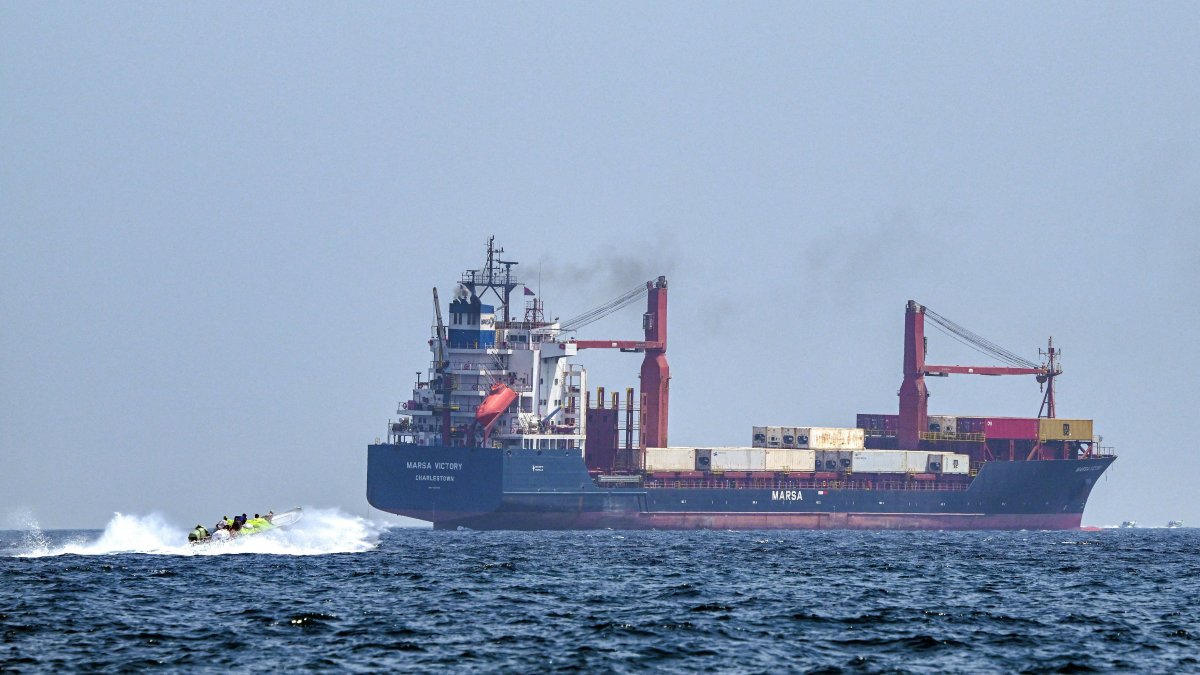
An oil tanker sails through the Strait of Hormuz

Oil prices continued their downward trend Thursday amid expectations of supply far exceeding demand, reaching levels seen before the war in the Middle East. During European trading hours, a barrel of North Sea Brent crude for August delivery fell 1.49% to $72.64, while its U.S. counterpart, West Texas Intermediate crude for the same month, dropped 1.21% to $69.49.
"Ships are now passing through the Strait of Hormuz with their satellite transponders turned on," which signals a gradual return to normalcy, according to Ipek Ozkardeskaya, an analyst at Swissquote, in remarks to AFP.
"A sign of an immediate oversupply"
The UN maritime agency has begun its plan to evacuate ships and sailors who were stranded in the Gulf due to the regional war launched in February by the United States and Israel against Iran.
On Wednesday, its secretary-general announced the goal of removing 50 ships per day through the initiative. After being blocked for a long time, “we now have a large amount of oil suddenly flooding the market,” said Arne Lohmann Rasmussen of Global Risk Management, calling it “a sign of an immediate oversupply.”
LATEST