Dallas: Federal Reserve report links record illegal immigration under Biden to rising housing prices
A study concludes that rapid population growth between 2021 and 2024 drove housing demand, pushing up both home prices and rent.
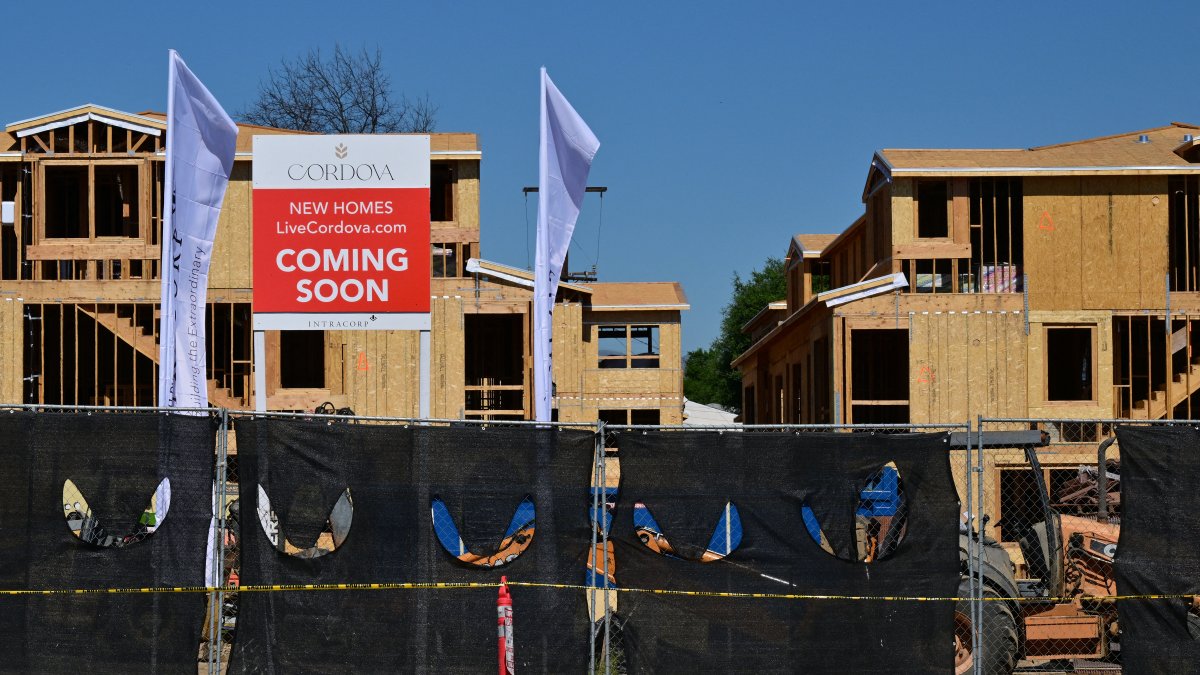
New homes under construction in the U.S. (File photo)

The massive influx of undocumented immigrants coming into the country during the administration of former President Joe Biden contributed significantly to the rise in housing prices and rent in numerous cities, according to a recent report by the Federal Reserve Bank of Dallas.
The study analyzes the economic impact of undocumented immigration between 2021 and 2024, a period during which the nation experienced one of the largest population increases in its recent history. According to the report’s findings, the population growth resulting from these migration flows increased demand for housing and put upward pressure on real estate prices.

Economy
Existing-home sales rose more than expected in May, driven by lower mortgage rates
Carlos Dominguez
Unprecedented population growth
According to data cited by the Federal Reserve Bank of Dallas and sourced from the Congressional Budget Office (CBO), irregular immigration added approximately 7 million people to the U.S. population between 2021 and 2024, equivalent to an average of 1.75 million per year.
This figure contrasts with the trends observed during the previous two decades. Between 2000 and 2019, net illegal immigration averaged just 100,000 people per year, while between 2010 and 2019 it even registered slightly negative figures.
By the end of the Biden administration, the foreign-born population reached nearly 52 million people, the highest level ever recorded in the country’s history.
The impact on the real estate market
The study concludes that population growth had direct effects on the housing market, especially in areas that received larger inflows of immigrants.
Economists at the Federal Reserve Bank of Dallas estimate that an increase in undocumented immigrant workers equivalent to 1% of the initial employment in a local area resulted in:
- A 2.2% increase in home prices
- A 1.4% increase in rents
- A particularly notable impact on the multifamily market
According to the report’s calculations, undocumented immigration could account for approximately:
- 30% of the total growth in housing prices
- 20% of the total increase in rent
The researchers note that these figures are similar to those observed in previous studies on legal immigration conducted during the 1980s and 1990s.
Higher demand, lower affordability
The authors argue that the phenomenon is primarily due to an imbalance between supply and demand.
While millions of new residents entered the housing market in a short period of time, new housing construction failed to keep pace, placing additional pressure on a sector that was already facing structural supply issues.
Experts warn that this particularly affects first-time buyers, young families, and low- and middle-income households, who are finding it increasingly difficult to purchase their own homes.
Similar findings in other studies
The Dallas Federal Reserve’s findings are consistent with research recently published by other institutions.
A study conducted by the U.S. Department of Housing and Urban Development (HUD) concluded that the strong growth of the foreign-born population between 2021 and 2024 significantly boosted housing demand.
According to the study, more than 6 million new foreign residents entered the country during that period, contributing to a substantial increase in housing demand.
The HUD report states that, in some local markets, immigration was responsible for virtually all of the recent increase in housing demand.
"This immigration-driven increase in households has contributed to a significant increase in housing demand, thus driving up housing prices," the agency concluded.

Politics
Relief for the Housing Crisis: Senate Approves Historic Package to Reduce Housing Costs by an Overwhelming Majority
Luis Francisco Orozco
International evidence
The relationship between immigration and housing prices has also been analyzed outside the United States.
A study published in 2025 by Danish economists found that sustained population increases resulting from immigration have significant effects on local real estate markets.
The authors determined that a 1-percentage-point increase in immigrant arrivals at the municipal level over a five-year period was associated with:
- An increase of nearly 6% in private rent
- An approximate 11% increase in housing prices
According to the researchers, these effects are particularly visible in urban areas with a limited housing supply.
The political debate continues
While some economists emphasize that immigration contributes to economic growth, expands the labor force and supports key productive sectors, others warn that rapid population growth can create strains in markets with supply constraints, particularly in housing, education, healthcare and infrastructure.
In 2024, Steven Camarota, a researcher at the Center for Immigration Studies, presented data to Congress pointing in the same direction. According to his analysis, a 5-percentage-point increase in the share of recent immigrants within a metropolitan area is associated with a 12% increase in the rent burden for U.S.-born households relative to their income.
As the immigration debate continues to take center stage in national politics, the findings of these studies reinforce the discussion on the economic effects of migratory flows and on how to balance the needs of the labor market with the availability of affordable housing for the resident population.
LATEST