Thermal relief in much of the country: What temperature is expected for Monday and Tuesday?
The two big exceptions to the improved weather are Washington state, where precipitation is expected, and the Gulf Coast, where freezing temperatures are forecast.
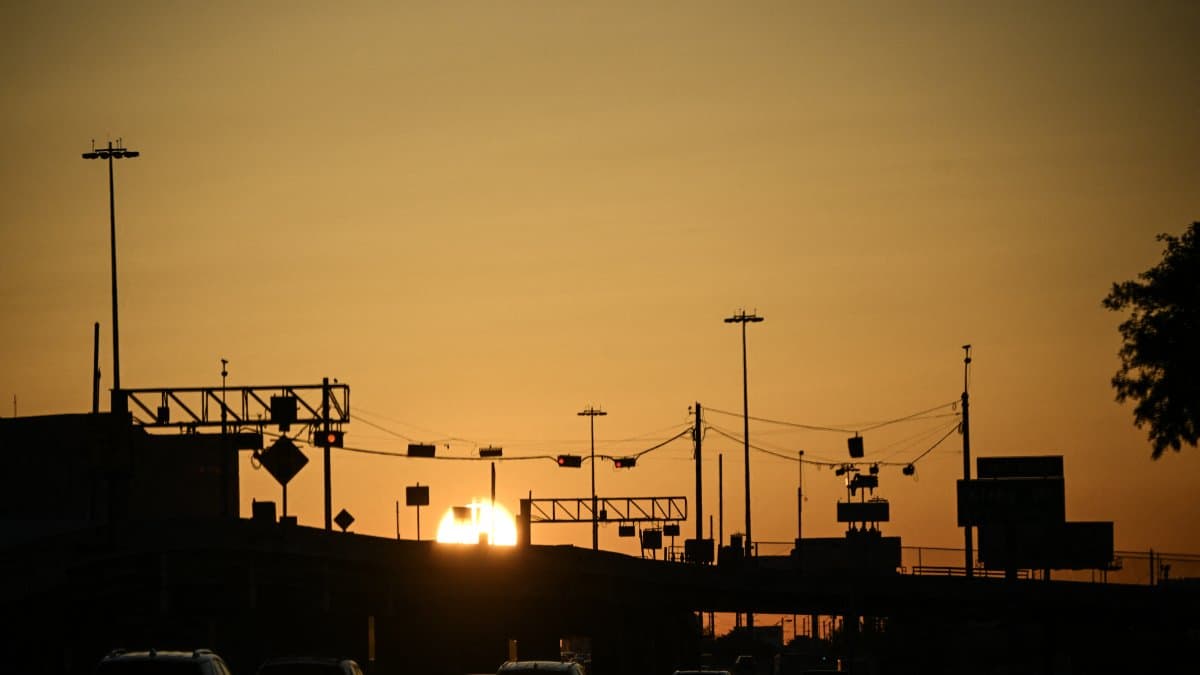

A period of thermal relief is arriving for much of the country. The National Weather Service (NWS) reports that this week will begin with "calm" in "much of the nation." Following a spate of severe conditions, the forecast calls for stabilizing temperatures, bringing respite to millions of residents.
The same is true for temperatures, which will rise after a night of snow, freezing rain and hail especially in the northeastern part of the country. "Unseasonably mild weather is in store for much of the lower 48 today and tomorrow," the agency said. The latter is due to a swath of strong winds or "jet stream" moving from west to east pushing lingering polar air across the country.
The relief will translate in thermometers as above-average maximum temperatures both this Monday and Tuesday. The big beneficiaries will be Midwesterners, where they will enjoy highs between 50°F and 60 50°F (10°C and 15°C). "Nearly 25-30 degrees above average," the NWS remarked.
Warnings for the Gulf Coast and Washington
While the NWS celebrated the calmer and warmer weather, it warned that some areas of the country could be left out of the relief expected for millions on the mainland this early in the week:
- Washington state: precipitation is expected in the west, specifically on the western side of the Olympic Mountains.
- Gulf Coast: this is the only exception to the unseasonably warm period. "Marginally freezing" minimum temperatures are anticipated overnight.
"More seasonable winter conditions are back!" warned from the local weather service in New Orleans, which will remain in areas of the Gulf that will not feel the relief of earlier in the week.
"Light freezes are expected across areas north of the I-10/12 corridor and Northshore Monday and Tuesday mornings," they said before advising to take preventive measures against the cold, such as ensuring that pets are not left outdoors.
Recommendations for cold weather on the Gulf Coast
Preparing your home in advance is key. Three key recommendations are:
Heating and fuel supply: it is important to check that you have sufficient fuel for heating. It is also recommended to have emergency heating equipment.Home preparation: there are several measures that can be taken before the cold weather arrives to prepare a home, such as covering windows with insulating plastic. They generally aim to insulate the inside of the home from cold temperatures outside.Home emergency kit: have a fully stocked home emergency kit. It should include non-perishable food, drinking water, flashlights, batteries and essential medications.Fall Prevention: using sand or non-slip materials serves to improve traction, as well as applying ice melting products to sidewalks, driveways and walkways.
Cold temperatures and snow can cause problems on the road. Experts recommend checking the condition of the roads before you start your trip. For that, you can use messages from the local weather service or transportation department.
They also recommend preparing an emergency kit for your vehicle. In addition to a first-aid kit, it is recommended to carry: extra cell phone, charger, batteries, blankets, flashlight, non-perishable food, candles to melt snow for drinking, sandbag to improve traction, shovel, scraper and jumper cables for the car battery.
Also, you can check the condition of your vehicle, inspected from the battery and windshield wipers to the tires. Once on the road, drive slowly. Pay special attention to the condition of the road.
When is the polar cold coming back?
The cold will return to the east of the country starting Tuesday. Specifically, to the continental panhandle from the Atlantic to the Continental Divide, so the western panhandle of the country (including parts of Montana, Wyoming, Colorado and New Mexico.)
Episodes of winter weather will be seen in the Upper Midwest and the Northeast, although large impacts are not expected until Wednesday.
🛠 Do you think there is an error in this article?
Recommendations





LATEST