Texas: Another man arrested for administering abortion pill to partner without consent
According to the complaint filed with authorities, the woman stated that she believed the baby's father administered an abortion pill without her consent. The fetus was born lifeless.
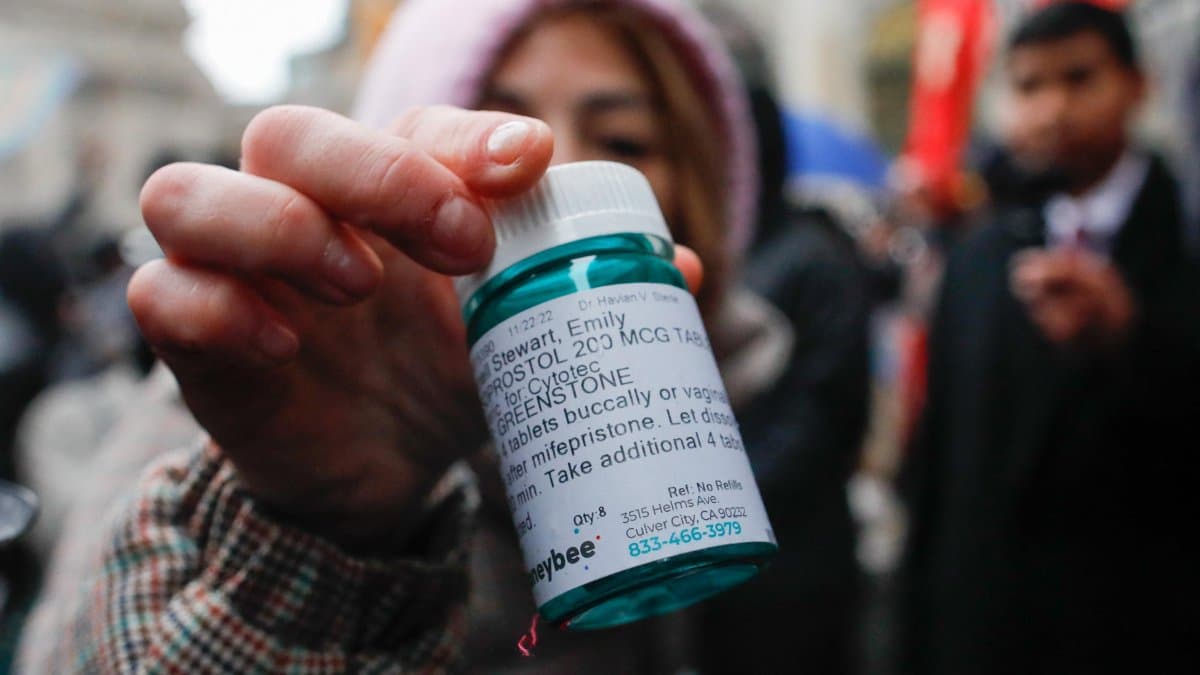

A man in Montgomery County, Texas, was arrested after being charged with allegedly administering an abortion pill to a pregnant woman without her knowledge or consent, in a case that has reignited debate over the distribution of abortion drugs by mail in the state.
Montgomery County investigation
According to the Montgomery County Sheriff's Office, detectives from the Major Crimes Unit, along with the County Attorney's Office and crime scene specialists, launched an investigation after a woman was rushed to a hospital and suffered the loss of her pregnancy under circumstances deemed suspicious.
According to the complaint filed with authorities, the woman stated that she believed the baby's father had administered an abortion pill without her consent. The fetus was born lifeless.
Authorities identified the suspect as Jon Rueben Gabriel Demeter, a resident of Spring, Texas. He was arrested Feb. 23 and charged with aggravated assault with a deadly weapon causing serious bodily injury and family violence. He remains being held in the Montgomery County Jail without bail.
According to investigators, the defendant had previously attempted to persuade the woman to have an abortion, including offering to pay for her to travel out of state to perform the procedure. She reportedly declined.
Second case in Parker County

Legal framework in Texas following the reversal of Roe v. Wade
Following the Supreme Court's ruling in Dobbs v. Jackson Women's Health Organization, which overturned the precedent set by Roe v. Wade, abortion was banned in Texas with limited exceptions.
However, drugs such as mifepristone (marketed as Mifeprex) and misoprostol continue to be distributed by out-of-state providers and by remote doctors.
In 2025, Texas Governor Greg Abbott enacted the Texas Women and Children's Protection Act. The legislation establishes civil penalties of up to $100,000 against producers or distributors who ship or traffic abortion pills in the state and expands the possibilities for civil lawsuits for damages related to induced abortions.
Just The News
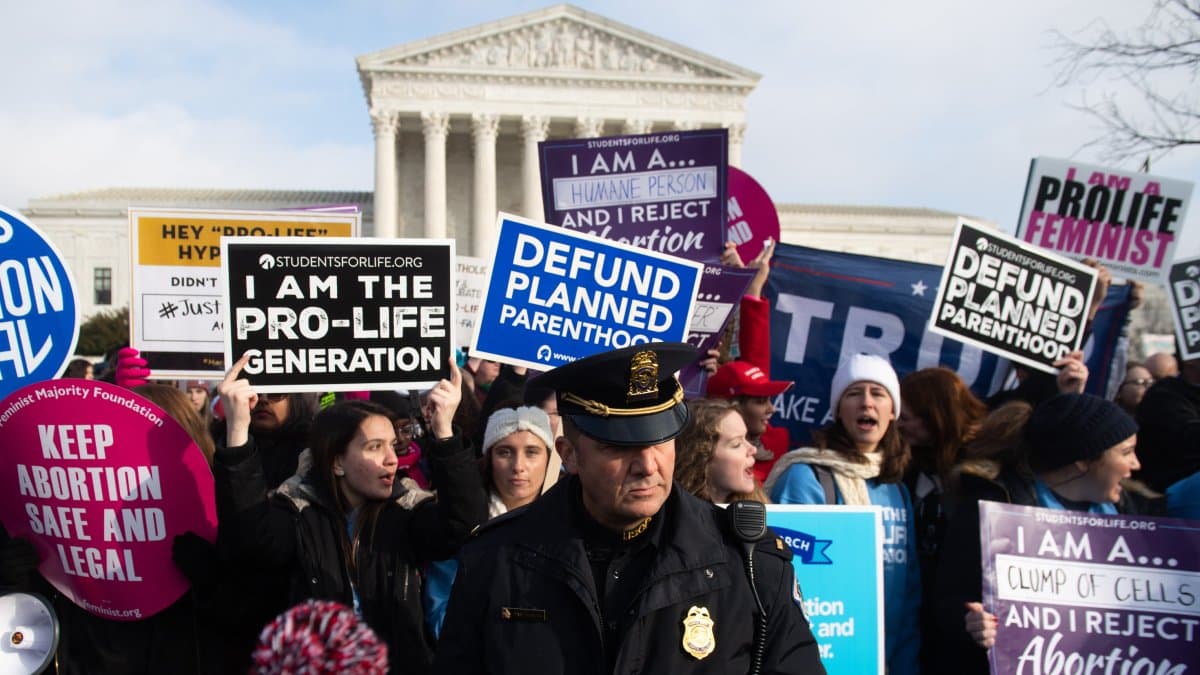
Poll shows most Americans support legal limits to abortion
Just The News | Tate Miller | The Center Square contributor
Federal debate over abortion pill
Pro-life groups contend that the current administration of President Donald Trump has neither reversed those policies nor implemented new federal restrictions on mail distribution.
Organizations such as SBA Pro-Life America have linked recent cases in Texas to the federal policy on abortifacient drugs. Its president, Marjorie Dannenfelser, said mail distribution facilitates coercive and risky situations for pregnant women.
The Justice Department has intervened in litigation involving state lawsuits against the FDA over the regulation of mifepristone. In cases filed in Louisiana and the Northern District of Texas, the federal government has argued that some plaintiffs lack standing to challenge the federal regulation.
A majority of Republican voters oppose federal funding for abortion
National polls cited by pro-life organizations indicate that a majority of Republican voters oppose federal funding for abortion and the current policy of mail-order distribution of abortifacient drugs.
Other polls indicate that a significant proportion of voters support reinstating the requirement for face-to-face physician consultation before prescribing these drugs.
🛠 Do you think there is an error in this article?
Recommendations






LATEST