






Maximum tension on Capitol Hill: Senate's conservative wing forces White House to bury legal compensation plan
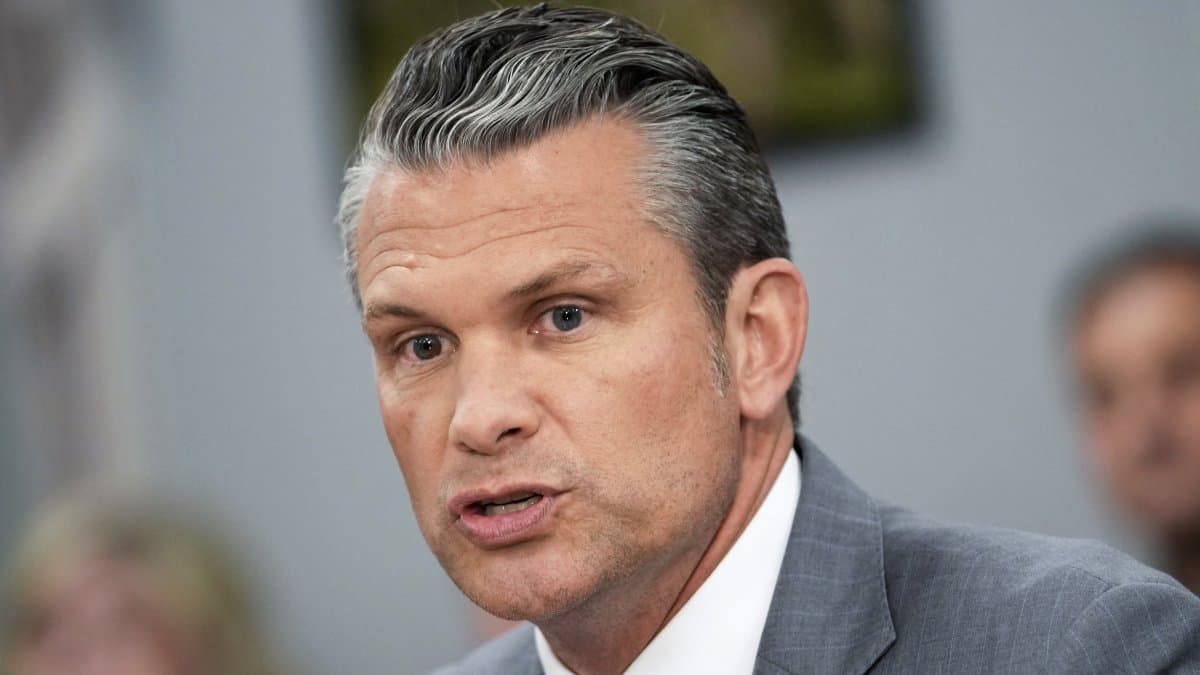
"We are not going forward with the fund. Period," Blanche stated flatly before the House Appropriations subcommittee.
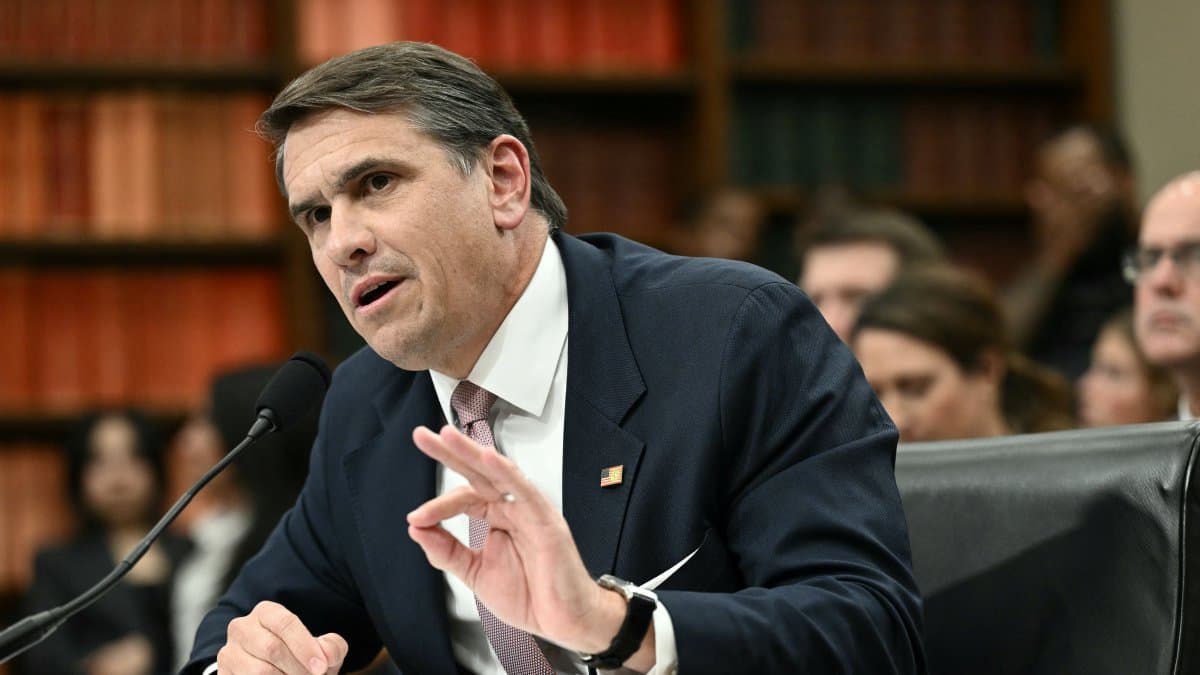

The Trump administration has decided to backtrack on one of its most controversial institutional projects in the legal arena.
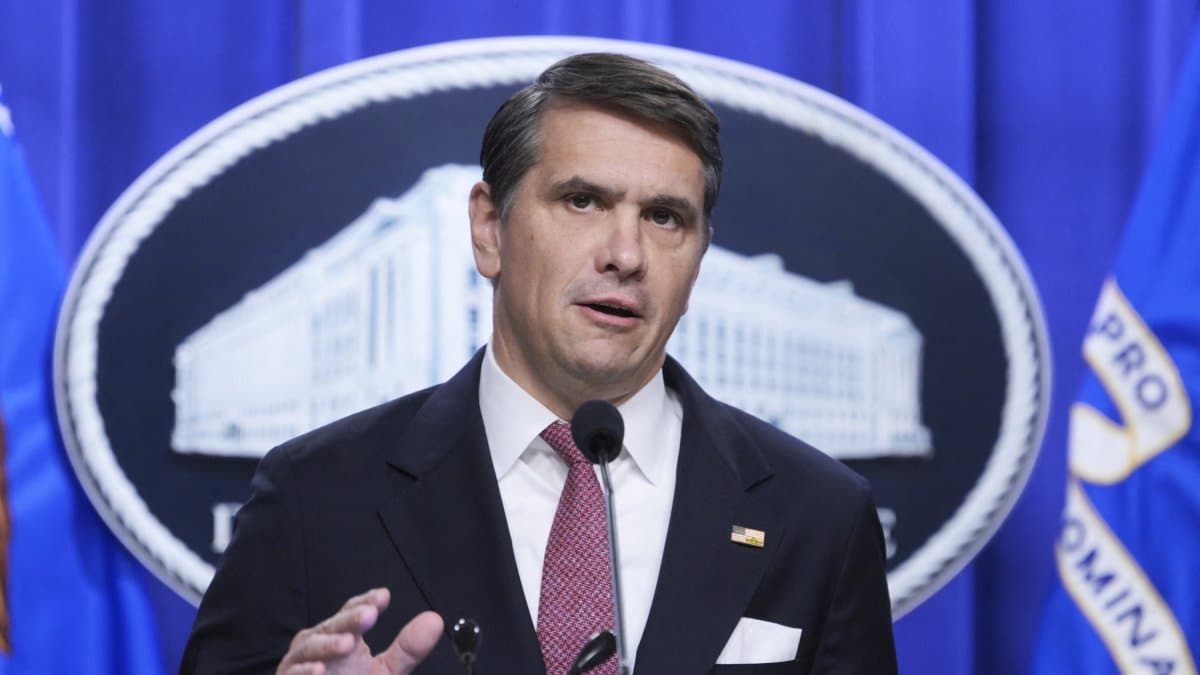
Acting U.S. Attorney General Todd Blanche officially announced the definitive scrapping of the $1.8 billion fund aimed at combating the so-called "instrumentalization" of the judicial system.
The measure was adopted Tuesday during a budget hearing in the House of Representatives, burying an initiative that had generated intense debate within the Republican bloc itself.
"We're not going forward with the fund. Period," Blanche stated flatly before the House Appropriations subcommittee.
The decision comes in response to mounting pressure from lawmakers of both parties on Capitol Hill, who argued that the trust structure, originally aimed at compensating citizens affected by allegedly politically motivated lawsuits, lacked the necessary legislative consensus and threatened to block other priorities on the government's agenda.
Resistance in the Republican ranks and stalling the border agenda
The main obstacle to the fund came from the Senate itself, where the Republican majority caucus notified the White House that it would not proceed with an ambitious multi-year immigration enforcement package valued at $70 billion until the justice program was canceled.
That immigration package is processed through the budget reconciliation mechanism, allowing it to circumvent the usual 60-vote threshold in the Senate. Faced with the risk of paralysis on a central election promise such as border security, the administration opted to roll back the legal bill.
Internal tension escalated last month during a closed-door session of the Republican Conference, described by Sen. Ted Cruz as "one of the toughest meetings" he has witnessed in the Senate, in which several lawmakers confronted Blanche harshly.
Doubts persisted even after the Department of Justice complied with a court order temporarily freezing the fund's operations. Senators such as John Curtis (R-UT) had demanded unequivocal confirmation that the bill was completely off the table before unlocking legislative negotiations.
Agreement on tax audits remains unchanged
Despite the dismantling of the $1.8 billion fund, Blanche specified that the Department of Justice will maintain the terms of a related agreement that stipulates the cessation of pending tax audits of the president, his family members, and associates.
Both initial commitments were part of an out-of-court settlement in which the president agreed to withdraw his claims against the Internal Revenue Service (IRS) over the illegal disclosure of his tax returns and to waive claims totaling $230 million arising from previous investigations.
The fate of this section of the agreement remains under scrutiny on Capitol Hill. While Republican leadership referents such as Senator John Cornyn (R-TX) anticipated that this tax shield could be subject to challenges in the courts because of its unprecedented nature in agreements with the Executive, the Democratic wing, led by Senate Minority Leader Chuck Schumer (D-NY), urged promoting legislation that would permanently prevent this type of administrative resolution.
With the Department of Justice confirming the fund's permanent closure, Senate Republican leadership, led by Majority Leader John Thune (R-SD), is confident it can now move quickly to approve funding for border control and homeland security.
Politics
Democratic states' response to Trump's 'anti-weaponization' fund: Tax their payouts at 100% so there isn't a penny left
Emmanuel Alejandro Rondón
🛠 Do you think there is an error in this article?
Recommendations


LATEST