Dismissed after losing his primary, Cassidy joins Democratic offensive to curb Trump's Iran war powers
Still, the resolution's path is far from clear. It's a long way from becoming law, and even if it did, Democrats don't have the numbers to survive a near-certain presidential veto.
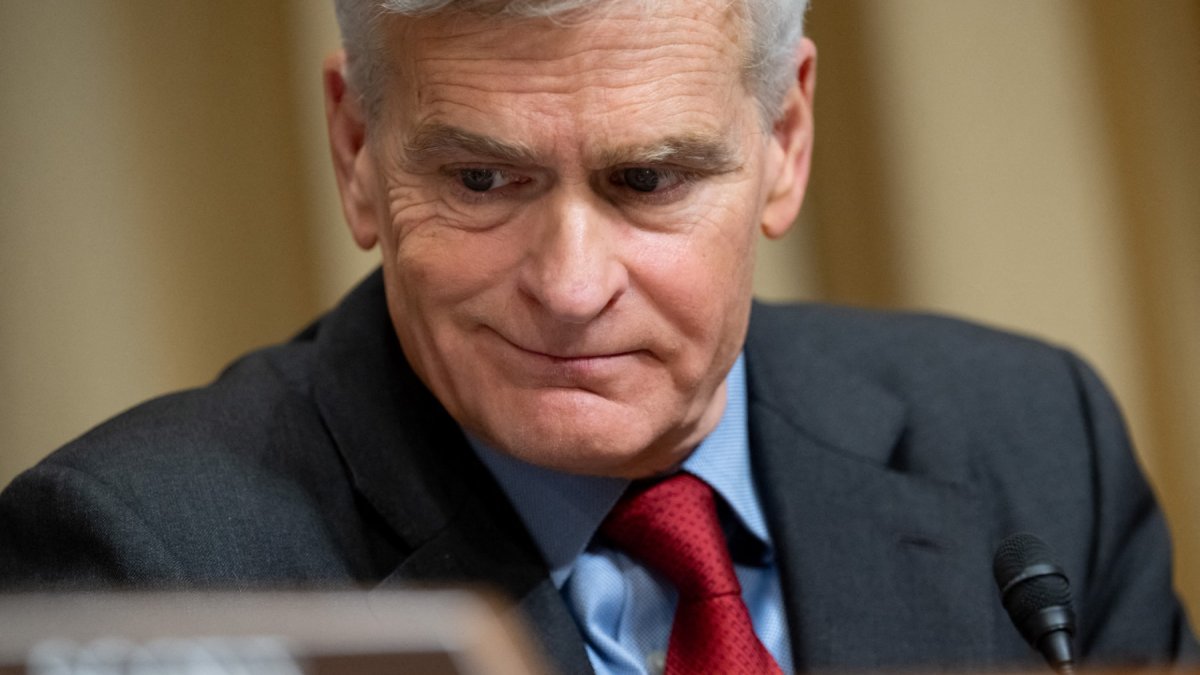
Bill Cassidy in a file image

Senator Bill Cassidy (R-Louisiana), who last weekend lost his chance to retain his seat after falling in the Republican primary, quickly found a way to exact revenge on President Donald Trump, who had endorsed his rival and celebrated his defeat just days earlier. On Tuesday, Cassidy crossed the aisle and joined forces with Democrats, providing the vote they needed to clear a key hurdle in their effort to limit the president's war powers regarding Iran.
Cassidy’s pivotal vote comes after seven failed attempts by the Democrats. It was not until the eighth round that the Democrats moved the needle, thanks to a coalition of four dissenting Republicans: Cassidy; Lisa Murkowski (AK), who had broken ranks the previous week; Libertarian Rand Paul (KY); and Susan Collins (ME). Both Paul and Collins are habitual rebel voters within the GOP.
Still, the path to resolution is far from clear. It's a long way from becoming law and, even if it did, Democrats don't have the numbers to survive a near-certain presidential veto.


The minority leader, Chuck Schumer (D-NY), took advantage of the boost in momentum from Cassidy's vote to press the ruling caucus from the Senate floor. "Trump's no closer to ending this war, no closer to bringing down the skyrocketing costs of this war, no closer to getting our troops out of harm's way," he said. He added: "Senate Republicans must not continue to allow Trump to remain stuck in this never-ending loop of threats and failed negotiations."
Murkowski, meanwhile, justified his vote by pointing out that Congress has already missed the 60-day deadline set by the War Powers Resolution Act to rule on the conflict. "We're in a different place than we were last time we voted on this."
On the Democratic side, John Fetterman (PA) again voted with Republicans against the resolution, true to the line he has been holding since the beginning of the conflict. When asked whether Democrats are pressuring Fetterman to change his position, Senator Chris Murphy (D-CT) opted for diplomacy: "Responsibility isn't on one senator, it's on everybody who has the chance to cut funding off to this war." He then said it's only a matter of time before the resolution against Trump succeeds: "If this war continues, and I think it will, and likely it's gonna become a very hot war again, one of these war powers resolutions very soon will pass. I don't think there's any doubt about it."
The legislative move occurs in parallel to a hardening of discourse from the White House. Trump just announced that he postponed a "major strike" against Iran at the request of regional allies who demanded more time to negotiate. Vice President JD Vance, meanwhile, sent another strong message to Tehran: "It takes two to tango (…) We are not going to have a deal that allows the Iranians to have a nuclear weapon (…) we're locked and loaded."
LATEST