Rick Scott blasts Democrats after Jayapal says she helps Cuba get oil
The Republican senator accused members of the Democratic Party of trying to undermine sanctions imposed by Donald Trump against the Cuban regime.
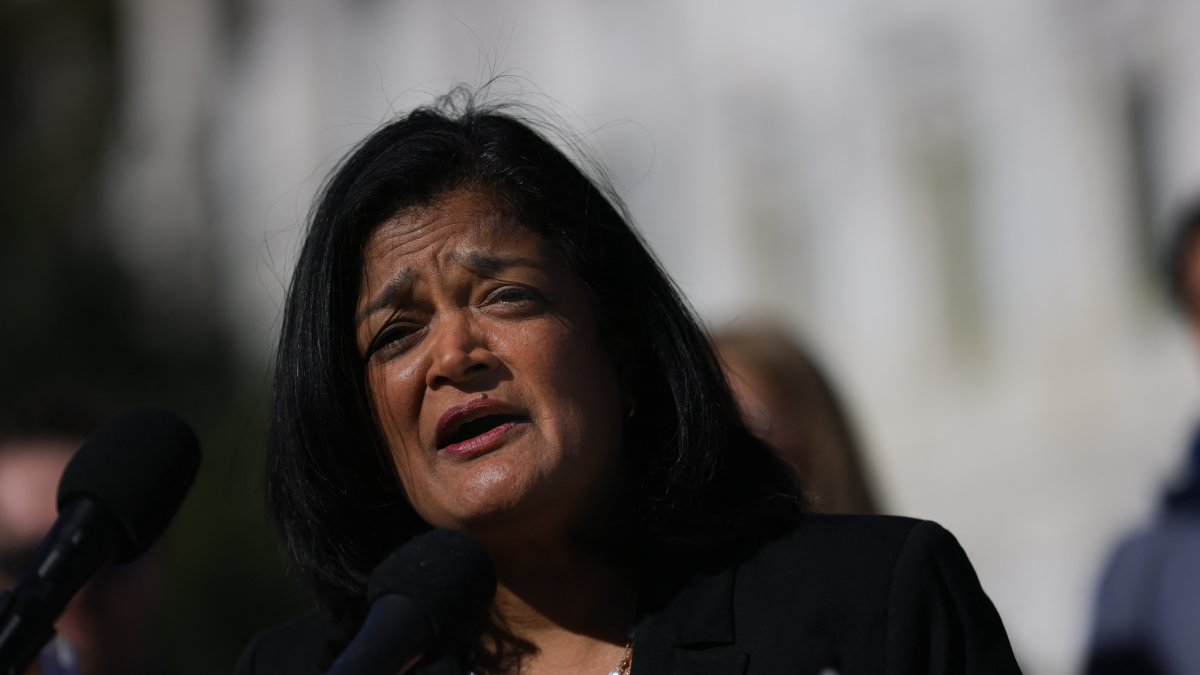
Democratic Rep. Pramila Jayapal (D-WA).

Republican Senator for Florida Rick Scott criticized House Democratic leaders harshly after Congresswoman Pramila Jayapal publicly acknowledged holding talks with foreign ambassadors to try to help Cuba obtain oil amid new sanctions pushed by President Donald Trump.
The controversy was sparked during a press conference on the energy and humanitarian situation in Cuba, in which Jayapal, a Democratic representative for Washington, questioned the White House's recent economic pressure measures against the Cuban regime.
"In January, Trump issued an executive order threatening to impose tariffs on any country that supplies fuel to Cuba," Jayapal stated. As she explained, after the U.S. actions against the Venezuelan regime of Nicolás Maduro, oil shipments from Venezuela to the island practically stopped.
The congresswoman further maintained that since then "only one Russian oil tanker has arrived in Cuba" and warned about the energy impact on the island. "One tanker has enough oil to cover Cuba's needs for 10 to 14 days," she stated.
Jayapal called the U.S. sanctions "an economic bombardment of Cuban infrastructure" and claimed to have spoken with diplomatic representatives from Mexico and other countries to explore energy supply alternatives for Havana.
World
Ideological tourism in Havana: Democrat lawmakers act as spokesmen for the Cuban dictatorship
Andrés Ignacio Henríquez
Rick Scott's response
The statements provoked an immediate reaction from Senator Rick Scott, one of the main defenders of the hard-line policy toward Cuba within the Republican Party.
In a post on X, Scott accused Democratic lawmakers of collaborating with foreign governments to weaken U.S. sanctions.
"BREAKING: Members of your party OPENLY admit to aiding a communist adversary in coordination with foreign countries to VIOLATE U.S. sanctions," Scott wrote, addressing House Democratic leader Hakeem Jeffries.
The senator added that the sanctions were imposed "to keep Americans safe and to hold the Castro regime and Diaz-Canel accountable for their crimes."
Politics
Trump expands sanctions against Cuban regime, warns of links to terrorism
Andrés Ignacio Henríquez
Trump's sanctions against Cuba
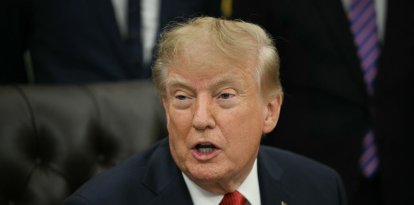
The controversy comes after Donald Trump strengthened in January and again last May 1 the economic measures against Cuba as part of his strategy of "maximum pressure" on the island's communist government.
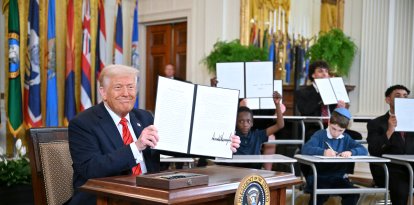
According to the executive order signed by Trump, Washington may impose tariffs and secondary sanctions on countries, banks and foreign companies that supply oil or maintain certain commercial ties with Cuba.
The official document states that the measures seek to "hold the Cuban regime accountable for its support of hostile actors, terrorism and regional instability that endanger U.S. security and foreign policy."
The Trump administration also tightened restrictions on U.S. tourism to Cuba and expanded sanction mechanisms similar to those used against Iran and Russia.
In January, Trump himself posted a message stating that there would be "NO MORE OIL OR MONEY FOR CUBA."
Politics
Senate Republicans block Democratic attempt to stop Trump's military action against Cuba
Luis Francisco Orozco
Political debate in Washington
While Republican sectors defend the tightening of the sanctions to weaken the regime of Miguel Díaz-Canel, several Democratic legislators maintain that the economic restrictions aggravate the humanitarian and energy crisis that the Cuban population is going through.
So far, neither the White House nor the House Democratic leadership has issued additional comments on Jayapal's statements or the accusations made by Scott.
LATEST