Federal judge blocks Trump's White House ballroom project
The ruling was issued by Magistrate Judge Richard Leon, who granted a preliminary injunction in favor of the National Trust for Historic Preservation, the organization that filed the lawsuit.
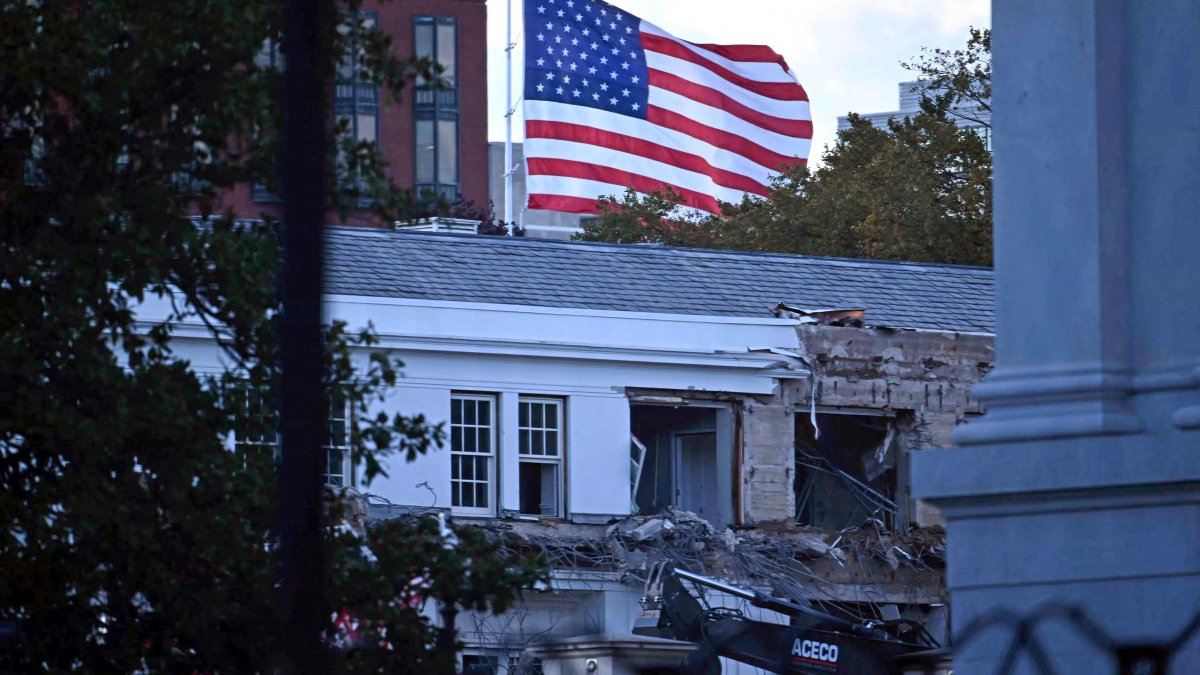
The remodeling of the East Wing of the White House and the construction of the grand ballroom funded by President Donald Trump

A federal court in Washington orderedthis Tuesdaya temporary halt to the ballroom project pushed by President Donald Trump at the White House, an estimated $400 million project that had already involved the demolition of the East Wing. The decision states that construction cannot proceed without the authorization of the Congress, introducing an immediate obstacle to the initiative.
The ruling was issued by Federal Judge Richard Leon, who granted a preliminary injunction in favor of the National Trust for Historic Preservation, the organization that filed the lawsuit. The magistrate found that the group's claims are likely to succeed, finding that there is no law to support the authority the Administration claims to have to unilaterally execute the project.
Rationale for the ruling and scope of the order.
In his ruling, Leon emphasized that the president exercises a custodial role over the official residence, but not a proprietary one. Even so, he decided to delay the effective implementation of the measure for 14 days, noting that the order does not affect "construction necessary toensure the safety and security of the White House". It also took into account the possibility that the government will appeal the decision.
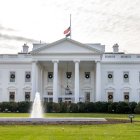
A project in dispute

Legal dispute
The litigation began in December, when the preservationist group went to court to attempt to halt construction. An initial request to halt the work was rejected in February by Leon himself, who then considered the arguments presented to be inconsistent. Subsequently, the claim was reformulated, allowing the case to move forward under a new approach.
From the Administration, it has been defended that other presidents have already made modifications to the official residence without requiring specific authorization from Congress, even in projects that at the time generated controversy. However, the court rejected the interpretation that the legislative branch has granted the president such broad authority to act independently on federal land.
For his part, Trump criticized the lawsuit on social networks, questioning the logic of blocking a project that would not only involve an improvement, but would also have no cost to taxpayers. So far, the White House has not issued official comments on the court decision.
The ruling leaves the future of the project in immediate abeyance, pending possible appeals and a more definitive pronouncement on the scope of presidential authority in this type of intervention.
LATEST