






Trump wants the war with Iran to end quickly and is deploying troops to the Middle East
In recent days, the Pentagon has moved nearly 1,000 paratroopers along with thousands of Marines and sailors.
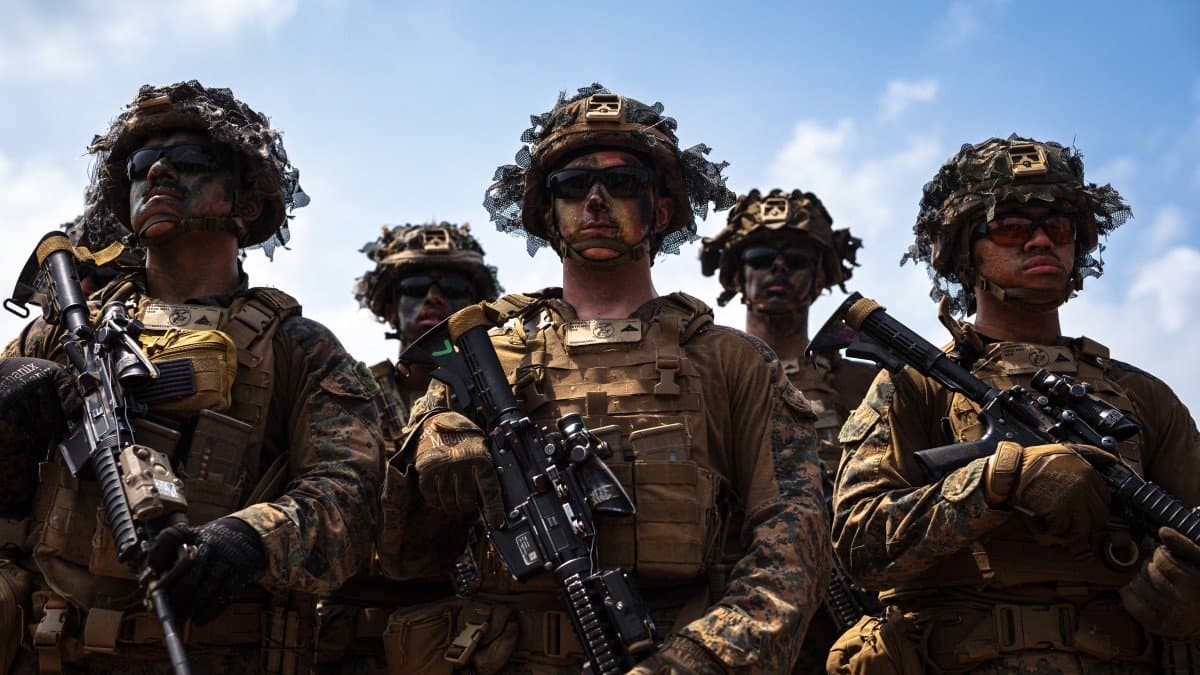

The United States is positioning ground-capable forces in the Middle East following Iran's rejection of a Washington-backed cease-fire proposal. The move expands the White House's military options at a time when President Donald Trump is seeking to avoid a protracted war and bring the conflict to a close in a matter of weeks.
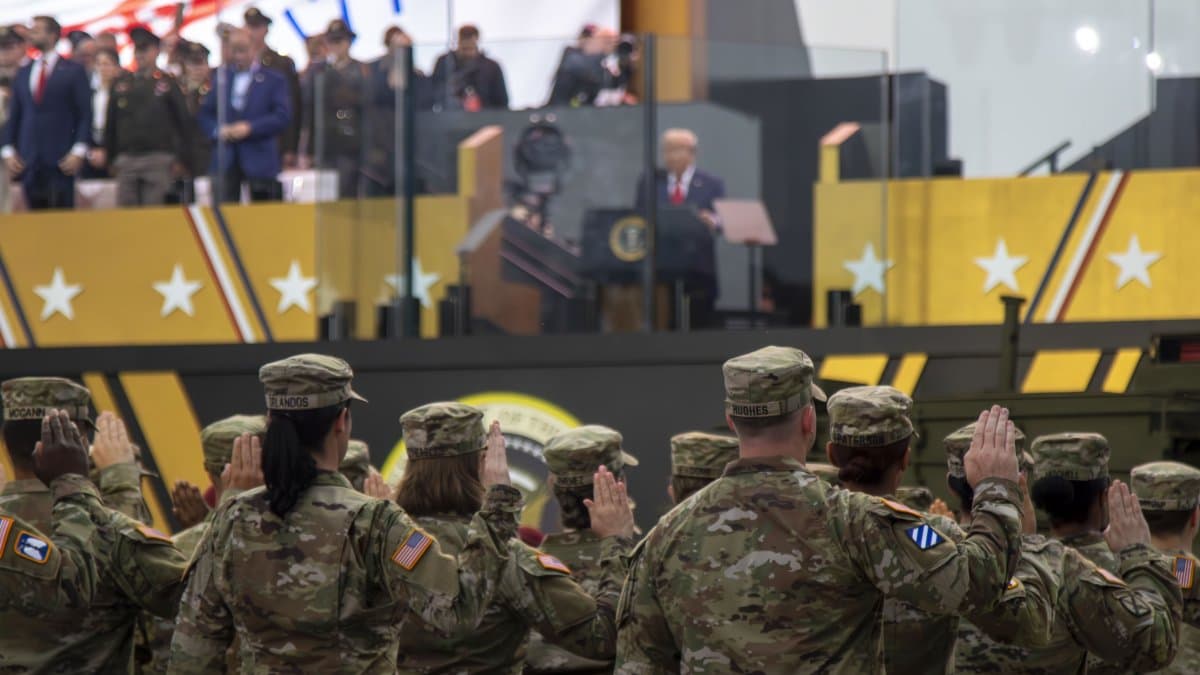
In recent days, the Pentagon has moved units ready to deploy on short notice. They include about 1,000 paratroopersfrom the 82nd Airborne Division, along withthousands of Marines and sailorsfrom the 31st Marine Expeditionary Unit and its amphibious group led by the assault ship Tripoli. These forces are typically among the first to intervene, with the capability to establish initial presence and execute short-duration missions.
The White House maintains that the goal is tomaintain strategic flexibility. Press secretary Karoline Leavitt noted that the president seeks to have different options and that it is up to the Pentagon to present them.
Limited options on the ground
Military analysts agree that the type offorces deployed do not point to a full-scale invasion. With between 40,000 and 50,000 troops already present in the region, plus recent reinforcements, the strategy is geared toward selective raids and specific targets.
Possible actions include attacks on missile systems, radars or military infrastructure that cannot be neutralized from the air alone. The use of special operations forces for short missions, such as the destruction of facilities or the capture of specific targets, is also envisaged.
One focus is the strait of Ormuz, a key route for global energy trade. Securing nearby positions could facilitate maritime transit, though the environment presents constant risks from missiles, drones and mines.
Trump seeks quick closure amid constraints
Yet negotiations remain at an early stage, and no agreement is close. Iran has rejected direct contacts, limiting diplomatic options.
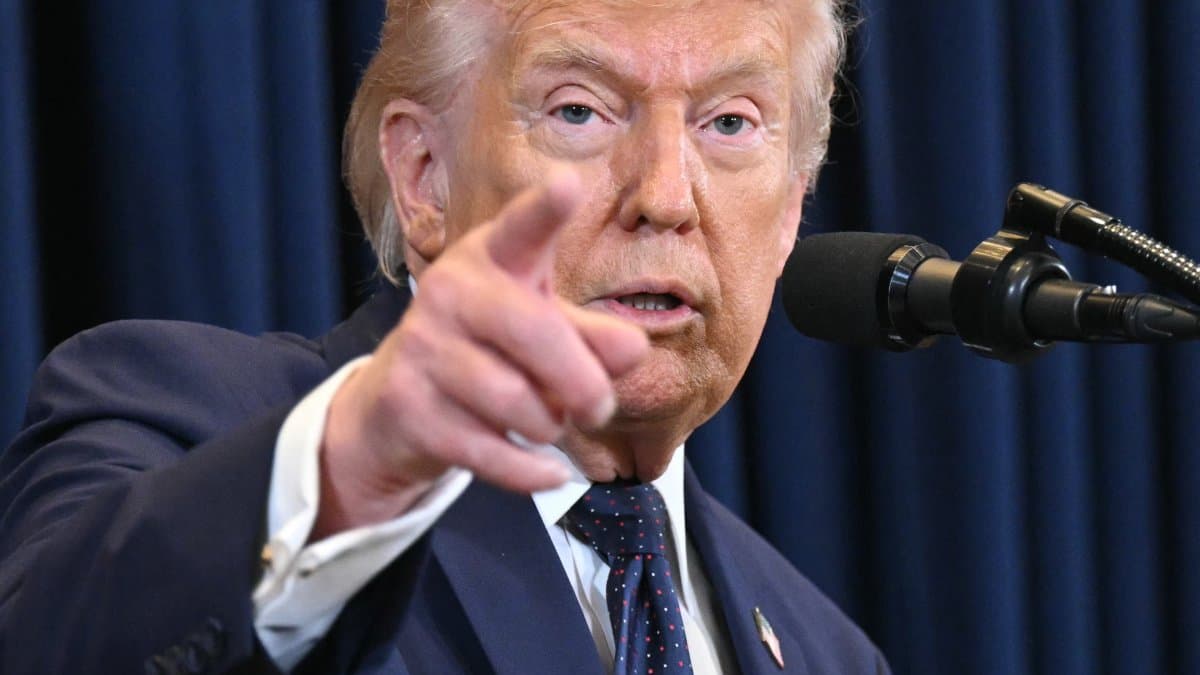
Trump is prepared to increase pressure if there is no progress but maintains reservations about a wide-ranging ground operation because of the risk of casualties.
🛠 Do you think there is an error in this article?
Recommendations




LATEST