Washington, DC: Trump wins battle against crime, stats show
Violent crime drops 10% in U.S. capital as 30-day state of emergency ends.

President Donald Trump's crackdown on crime in Washington, D.C. worked, according to data from the District of Columbia Metropolitan Police Department (MPD).
As the president's 30-day emergency order allowing him to take control of the city's police came to an end on September 10, figures indicated that the number of violent crimes fell by 10% over the previous three-week period. In addition, over the same period, the number of property crimes, such as thefts or destruction of property, fell by as much as 25%.
More positive results
In some categories, the results were even more striking: only three murders were recorded, compared to eight in the previous period, representing a 60% reduction. Reports of robberies and thefts from vehicles also decreased, with a drop of up to 40%. Specifically, burglary reports were down 19% and vehicle thefts were down 35%.
Trump proves his point
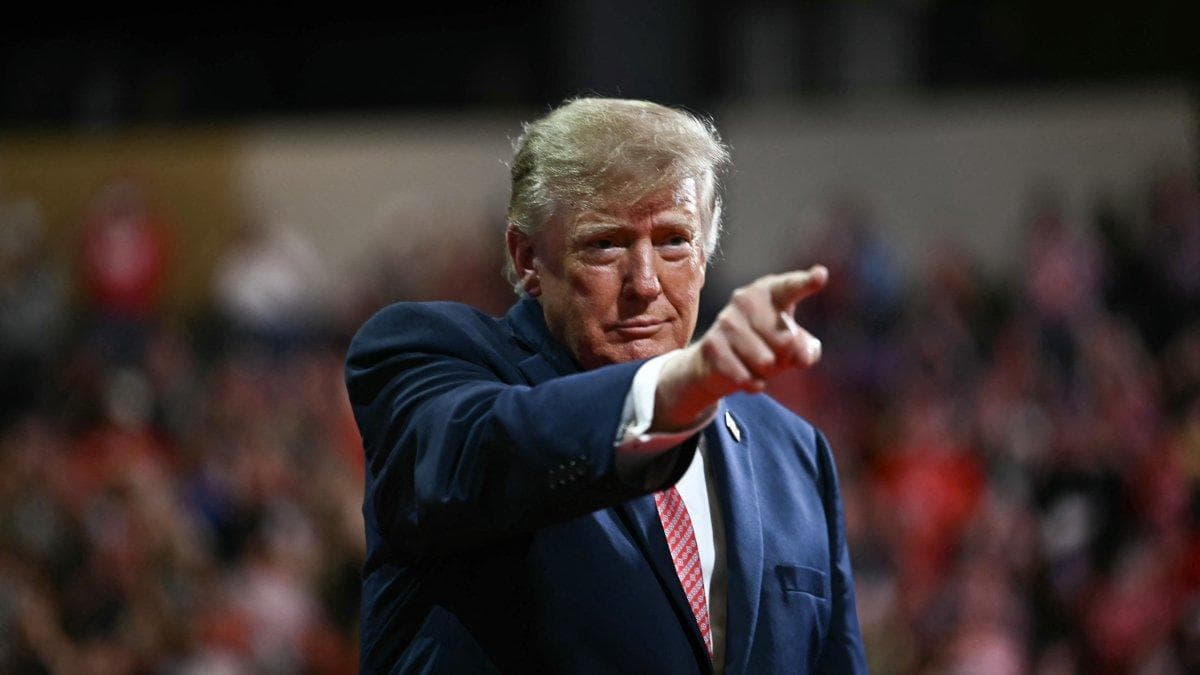
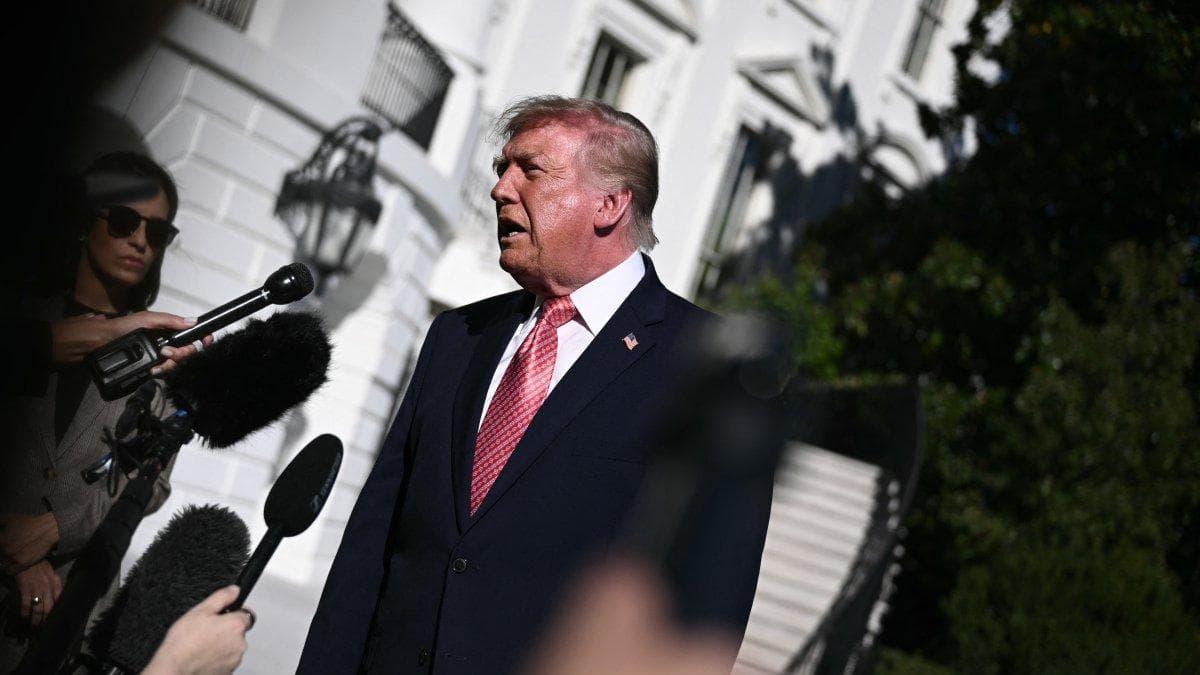
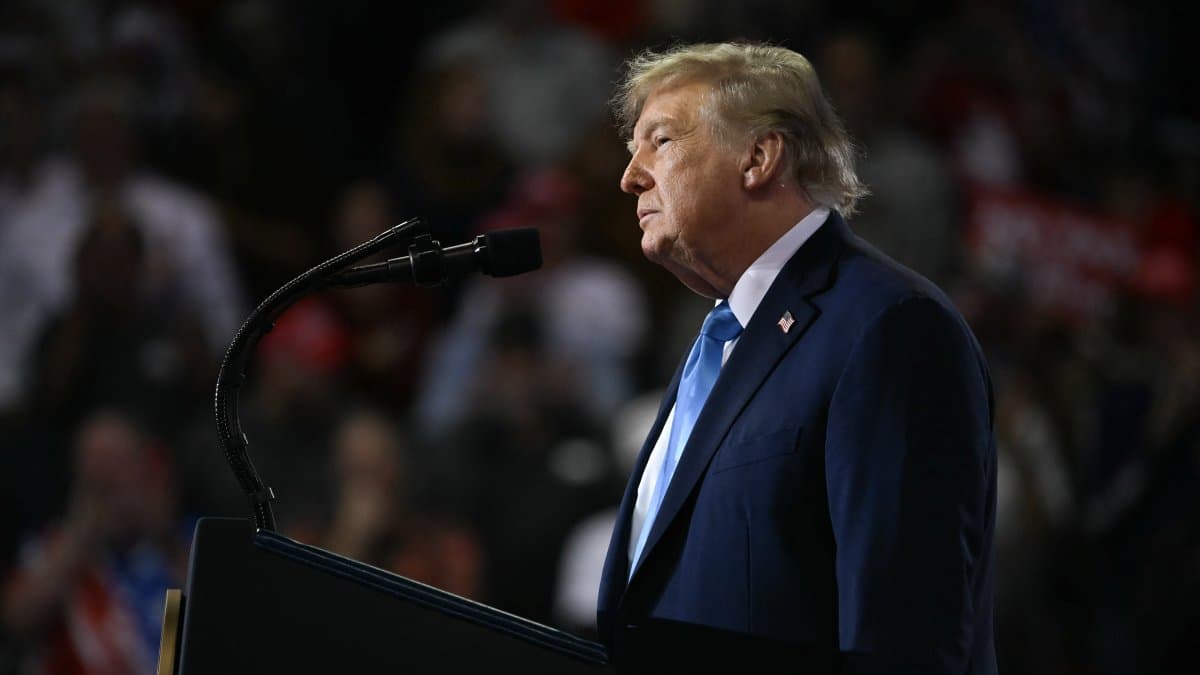
“We have no crime,” the president told reporters last week. “You can go and actually walk with your children, your wife, your husband, you can walk right down the middle of the street. You’re not going to be shot.”
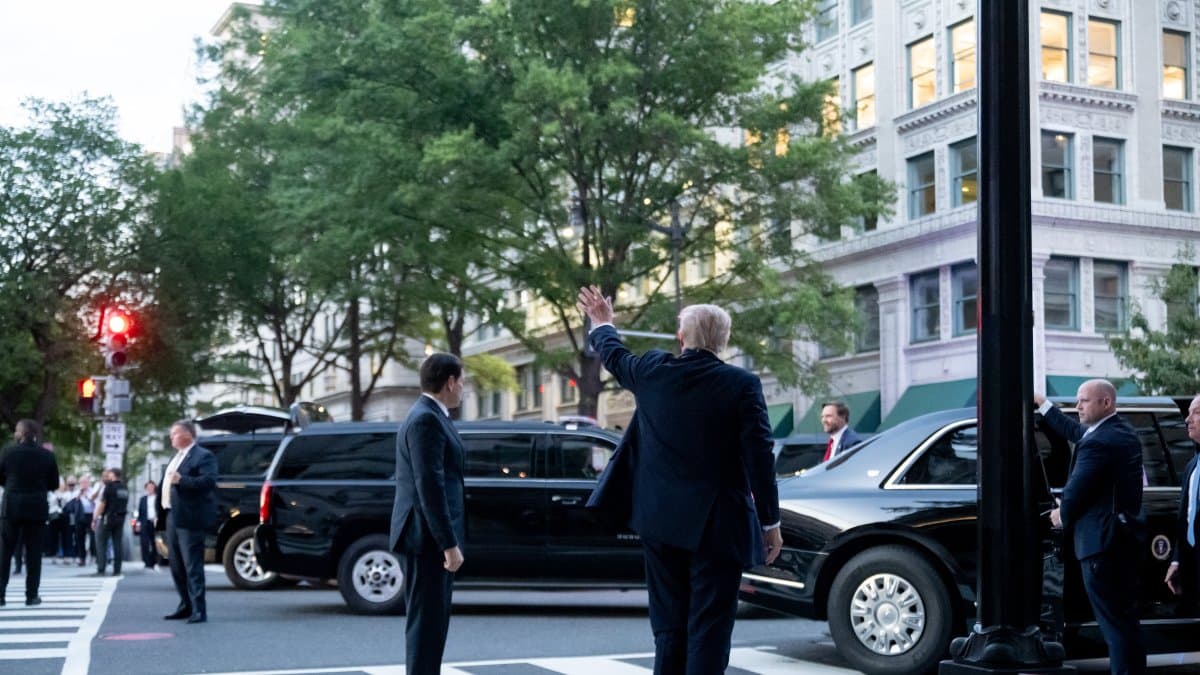
To prove his point, on Tuesday, Trump ventured to the restaurant Joe's Seafood, Prime Steak & Stone Crab, located near the White House. The Republican leader confessed that "I wouldn’t have done this three months ago, four months ago," he said, accompanied by Vice President JD Vance, Pete Hegseth, secretary of war, and Secretary of State Marco Rubio.
🇺🇸 | Trump apareció de sorpresa en el restaurante Joe’s Seafood de Washington D.C., donde celebró la “ciudad segura” y dijo entre risas: “No serán asaltados al volver a casa… y no beban demasiado”.pic.twitter.com/kifNxD3RVH
Criticism of the measures
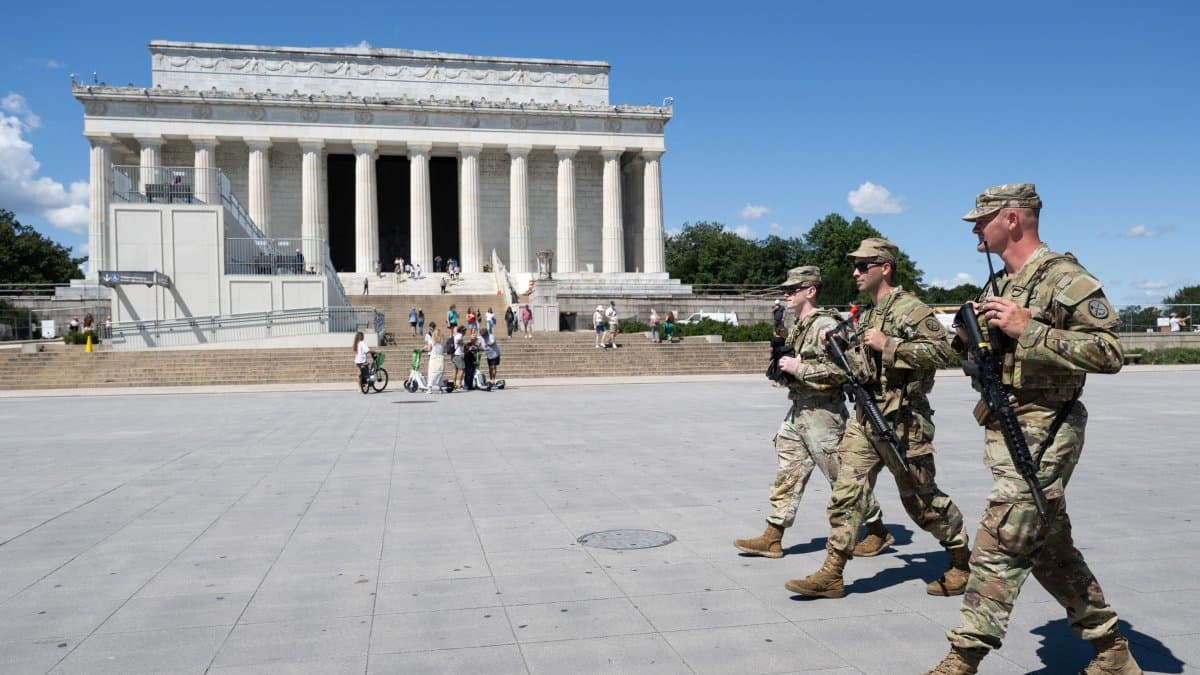
Critics of the president's decision to deploy more than 2,000 National Guard members as well as federal agents say crime was already falling in the city, with violent crime down 22% in May from a year earlier.
Society
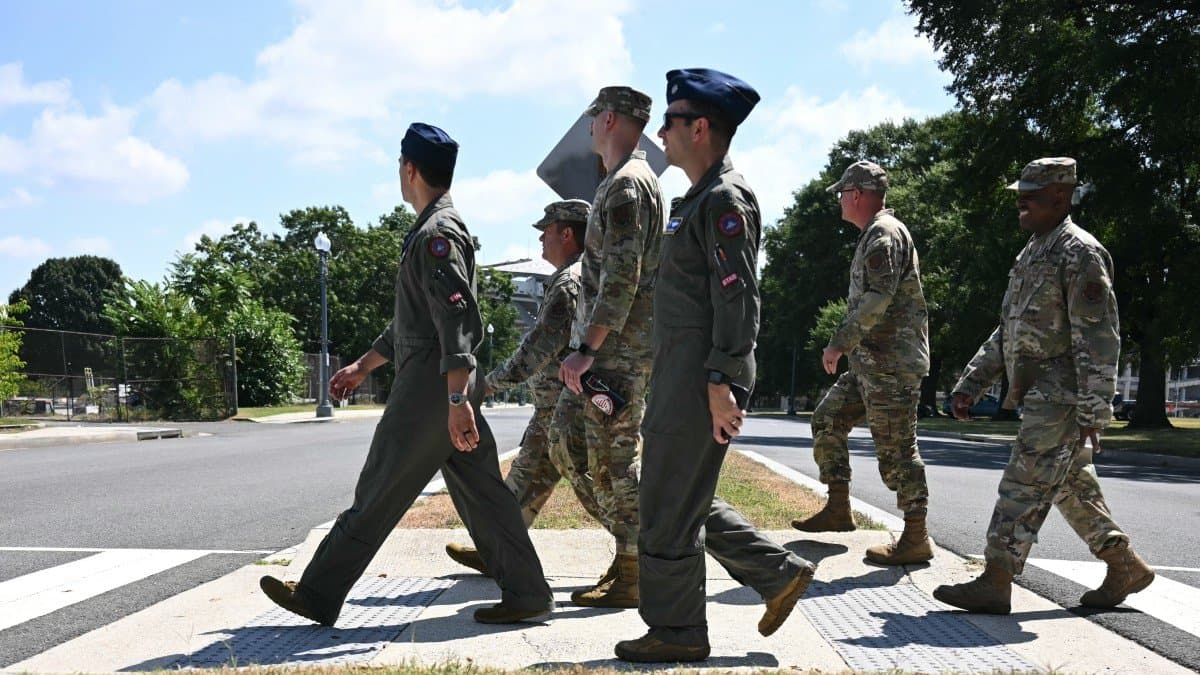
The first National Guard troops are seen in Washington DC to combat the wave of violence in the capital
Emmanuel Alejandro Rondón
They also accused Trump of declaring a state of emergency when there was none and said he was undermining efforts by cutting funding for crime prevention programs, according to reports from The Telegraph.
It's not all positive
Data from OpenTable shows that D.C. restaurant reservations fell 24% year-over-year in the week after the emergency declaration.
However, Muriel Bowser, mayor of Washington, D.C., said she would continue to work with federal authorities after the 30-day period ended and signed an order agreeing to cooperate indefinitely. At the same time, she disapproved of the way Trump acted, in a manner she said was unilateral. “I want the message to be clear to the Congress, we have a framework to request or use federal resources in our city," she said.
The Trump Administration's goal
When the president sent the National Guard and U.S. Marines to Los Angeles earlier this year, he did so against the wishes of city officials.
Politics
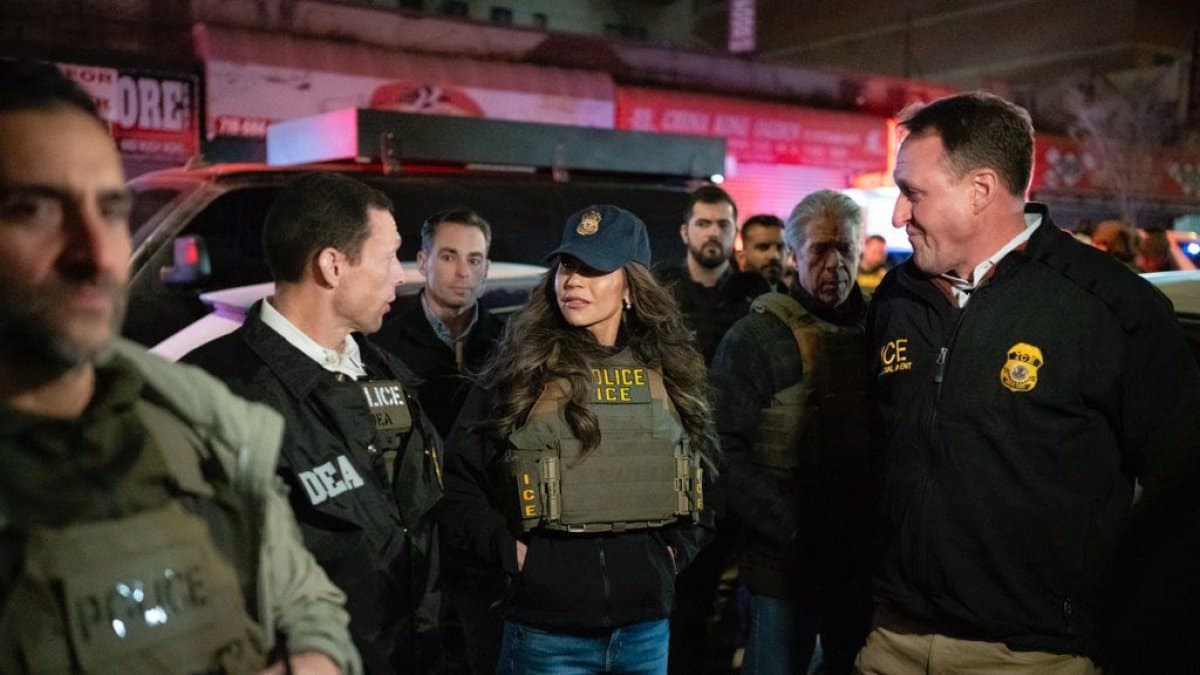
DHS confirms that the National Guard is authorized to detain anti-ICE rioters in Los Angeles
Agustina Blanco
However, according to a report from CNN, the Trump Administration and D.C. authorities reached an agreement, which was President Trump's goal: "She committed to indefinitely coordinate with federal law enforcement. “The key word is ‘indefinitely’. That is what we want.”
Trump sets his sights on Louisiana
🛠 Do you think there is an error in this article?
Recommendations
LATEST