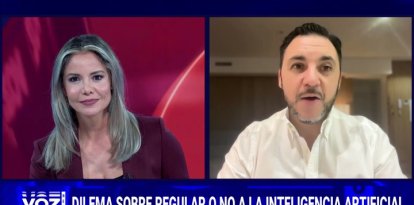
A Democratic mayor in Illinois shut down his city’s security cameras to hinder cooperation with ICE
Biss also noted that the motives behind his actions were none other than to protect city residents from federal authorities.
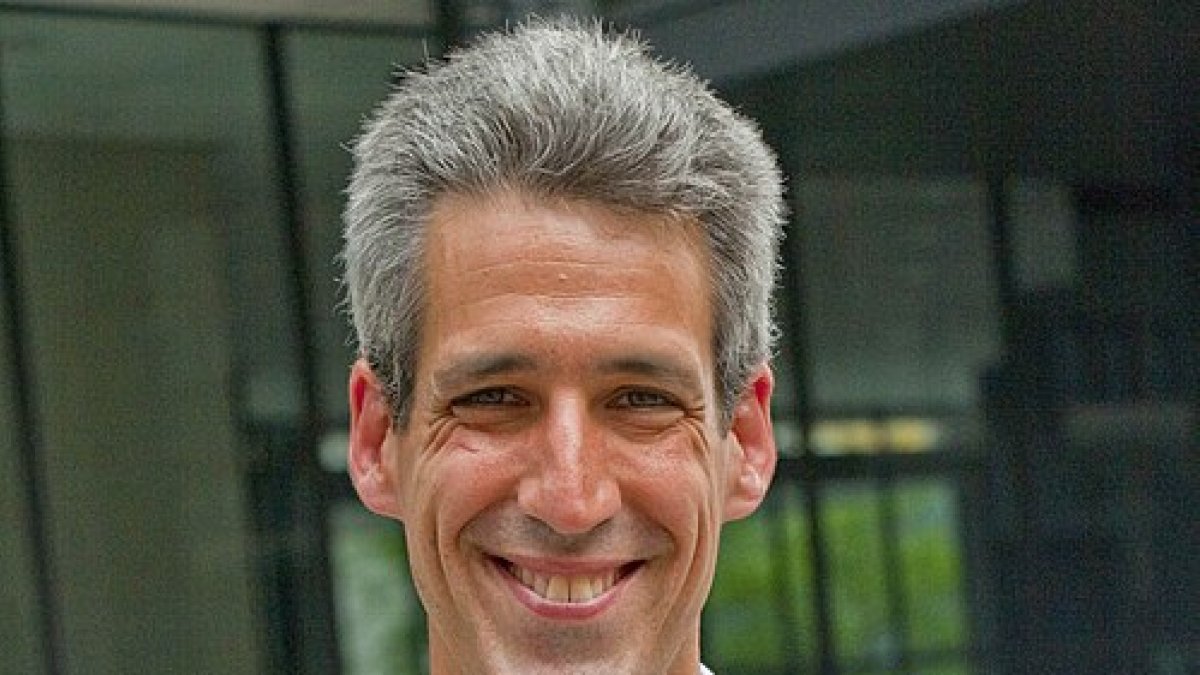
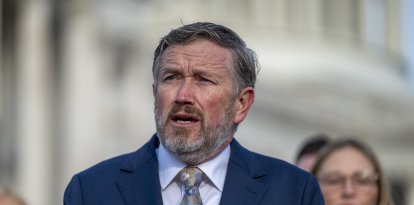
Daniel Biss, in a file image.
The Democratic mayor of Evanston, Illinois, Daniel Biss, announced Monday that his city deactivated both license plate reader cameras and numerous public safety tools, in the face of possible federal immigration enforcement by the administration of President Donald Trump. Biss, who is also a Democratic candidate for Congress, commented during an interview with CNN that he made such a decision in response to what he described as "good intel" that suggested U.S. Immigration and Customs Enforcement (ICE) operations were imminent in Evanston.
Similarly, Biss said he informed city residents of both his concerns and the various actions he took as a result. "The Trump administration wants to keep us guessing, wants to use our uncertainty to keep us afraid, but the reason that we communicated with our residents this morning is that I got information from a senior state official last night indicating that they had good intel that it was likely that ICE would be coming to Evanston in today and in the coming days," the Democratic mayor noted.
Society
ICE arrests 822 'criminal aliens, convicted murderers and child predators' in Houston
Diane Hernández
Biss also noted that the motives behind their actions were none other than to protect city residents from federal authorities. "We've been doing everything we can to protect our residents from before Donald Trump took office, passing strong sanctuary laws to make sure police are not cooperating with federal civil immigration enforcement," he added.
Regarding his order to turn off license plate reader cameras, the mayor explained that his decision was made after learning that data was being shared.
Precedent
Similarly, the mayor noted that "My responsibility was to see which masked individual might, with no warning, just grab people off the street [or] which uniformed personnel might, without warning, attack our people. We're going to remember for a long time what we did in this moment. Let's do the right thing."
LATEST