






ANALYSIS
Europe clamps down on the tech sector, threatening freedom of expression despite Trump’s warnings
The European Union (EU) and the United Kingdom possess a powerful legal framework to regulate the digital sector and have been accused of using it to censor, intimidate, and target voices that challenge the prevailing bureaucratic narrative. On Tuesday, Irish comedian Graham Linehan was arrested at Heathrow Airport for social media posts criticizing radical transgenderism.

Just days ago, Donald Trump spoke out amid his administration’s growing concerns over strict regulations imposed by some countries on digital platforms. The president criticized nations and organizations that regulate the tech sector with laws he says threaten free speech and innovation, and he warned that new tariffs could be imposed in response.
"I put all Countries with Digital Taxes, Legislation, Rules or Regulations, on notice that unless these discriminatory actions are eliminated, I, as President of the United States, will impose Substantial Additional Tariffs on Exports from that Country to the U.S," the president stated.
Economy
Zuckerberg pledges $600 billion investment to Trump for data centers and innovation
Williams Perdomo
Although Trump did not directly name the European Union (EU) or the United Kingdom, both have a powerful legal arsenal to regulate the digital sector and have used it to censor, intimidate, and target voices that oppose the prevailing bureaucratic narrative. This poses a serious problem for the United States, where freedom of speech is protected by the First Amendment.
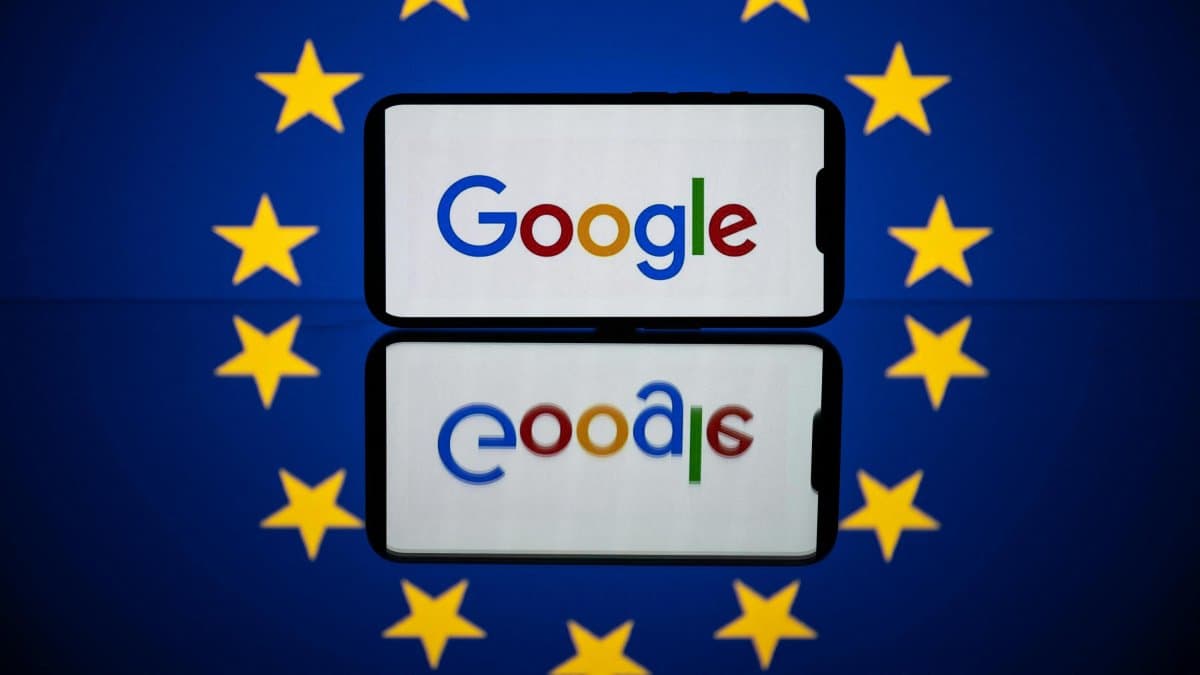
European legislation, including the Digital Services Act (DSA) and the Digital Markets Act (DMA), requires major platforms such as Google, Meta, X, TikTok, YouTube and Amazon to adopt uniform moderation rules worldwide, under threat of fines equal to 6% and 10%, respectively, of their global revenues.
Europe sinks into censorship
European Commission Vice President Henna Virkkunen posted on X on Monday that despite Donald Trump’s threats, the EU will continue enforcing its rules on digital platforms.
According to the official, the technology sector regulations imposed by the EU "fully respect fundamental rights, including freedom of expression." Virkkunen added that the EU’s priority remains "better protection of minors and businesses."
"I will continue to enforce them—for our children, citizens, and businesses," the official said in defending the Digital Services Act (DSA) and Digital Markets Act (DMA).
Virkkunen, who oversees the technology sector among other areas, attached a letter to her X message addressed to the head of the House Judiciary Committee, Jim Jordan, officially informing him that the EU will continue to enforce strict regulations on digital platforms.
"The DSA and DMA are sovereign laws of the European Union, adopted with overwhelming majorities by the European Parliament and the European Council," the document reads.
In August, Jordan traveled to Brussels to discuss these issues with the official. After the meeting, the head of the Judiciary Committee stated "Nothing we heard in Europe alleviated our concern."
"These sweeping regulations create a serious chilling effect on free speech and threaten the First Amendment rights of American citizens and businesses. It is absolutely necessary to protect children and keep harmful and illegal content off of these platforms, but when governments or bureaucracies suppress speech in the name of safety or regulation, it sets a dangerous precedent that threatens the core of Western democratic values," Jordan said in the statement issued last month.
A pro-freedom hearing
The House Judiciary Committee held a hearing Wednesday titled "Europe's Threat to Free Speech and Innovation in the United States," aimed at evaluating how European digital regulations impact free speech and technological innovation in the U.S.
Members of Congress, particularly the Republican majority, are concerned about the threat to freedom of expression and innovation posed by the Digital Services Act (DSA), the Digital Markets Act (DMA), and the U.K.'s Online Safety Act (OSA).
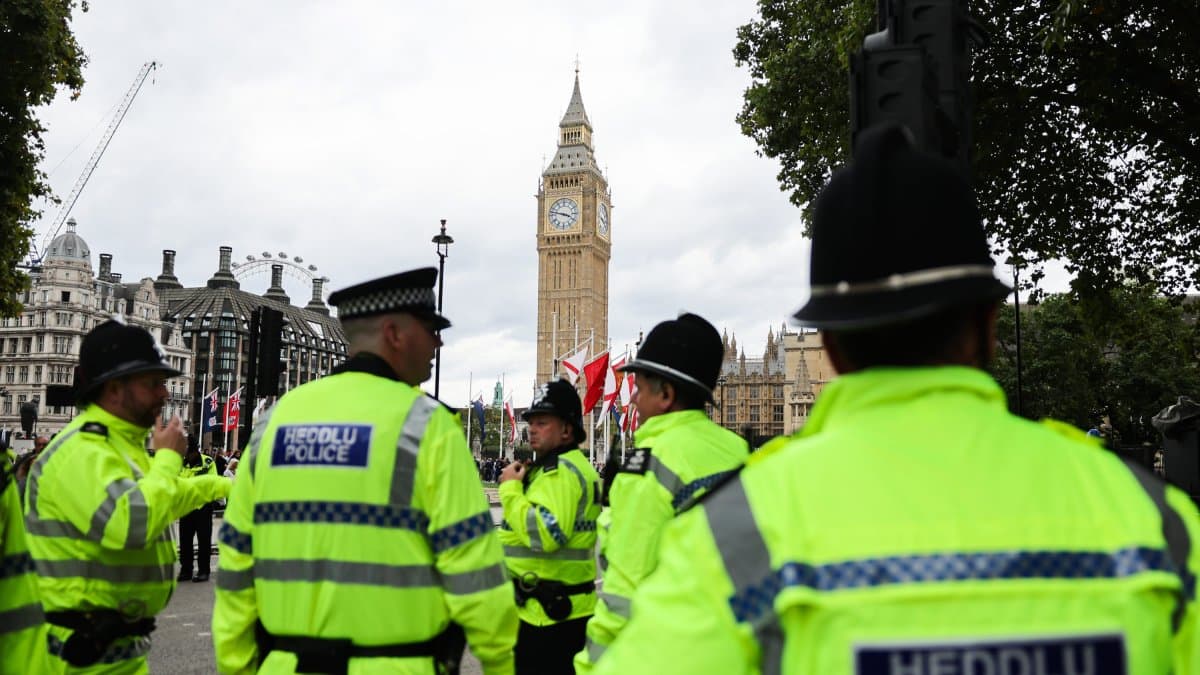
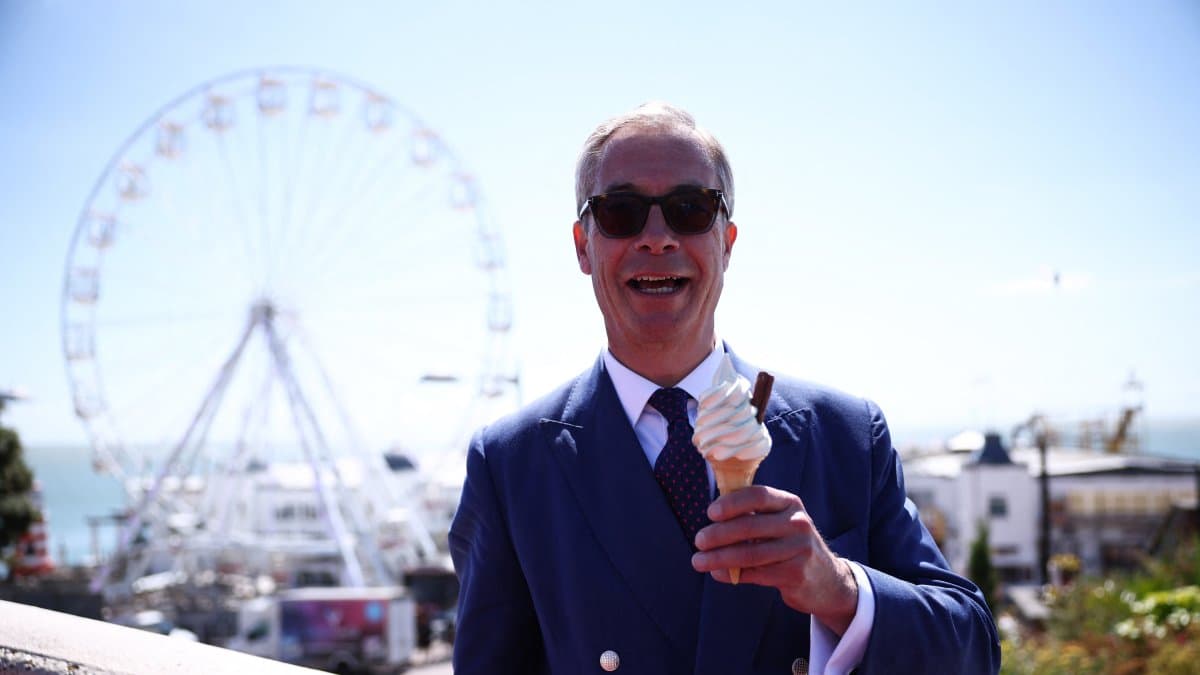
During the hearing, Nigel Farage, leader of the conservative Reform UK party, criticized these laws for allowing censorship of content outside Europe and cited the case of Irish comedian Graham Linehan, who was recently detained at a London airport over his tweets.
Farage claimed that the OSA has such "open-ended" wording that it "could literally mean whatever you want it to," leaving key decisions in the hands of local police forces.
Additionally, during the session, Irish lawyer Lorcan Price warned about the Brussels effect, referring to the European Union’s (EU) ability to impose its rules globally, effectively forcing U.S. companies to act as a censorship police.
Republican lawmakers warn that European laws could create a "global censorship regime" by forcing platforms to remove or moderate content that violates EU rules, even if that content is legal in the U.S. They also argue that U.S. innovation could be hindered by compliance burdens and market restrictions imposed on American companies operating in Europe.
Meta to suspend political advertising in Europe
Meta announced in July that, due to strict regulations on digital platforms in the E.U., it will suspend political advertising on its platforms in the European bloc.
Meta said that "online political advertising is a vital part of modern politics, connecting people to important information about the politicians that represent them."
However, it added, European legislation "introduces significant, additional obligations to our processes and systems that create an untenable level of complexity and legal uncertainty for advertisers."
'Thought police' crack down on free speech in U.K.
Although the EU and the U.K. maintain that these content regulations respect fundamental free speech rights, numerous cases suggest otherwise.
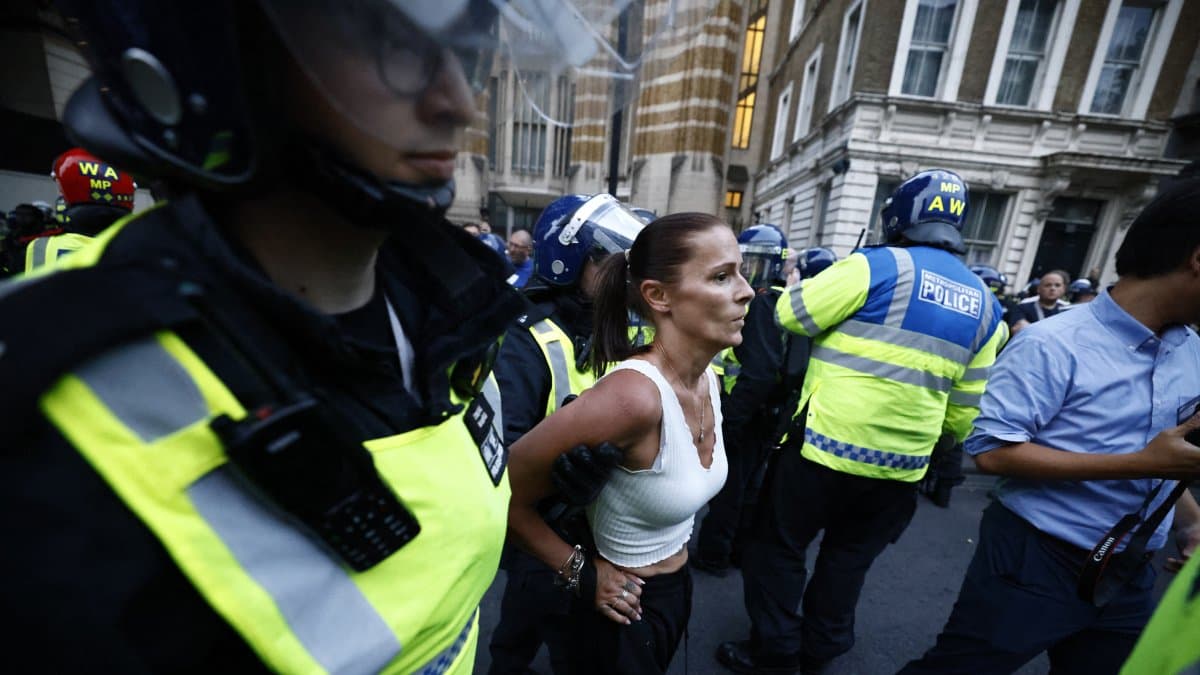
On Tuesday, renowned Irish screenwriter and comedian, Graham Linehan, was arrested at London’s Heathrow Airport for social media posts criticizing radical transgenderism.
Linehan, known for creating the cult series Father Ted and the award-winning The IT Crowd, was escorted by five police officers inside London’s airport after arriving on a flight from Arizona.
"As soon as I got off the plane at Heathrow, five armed police officers were waiting for me. Not one, not two, five. They escorted me to a private area and told me I was being detained for three tweets," Linehan said on his Substack page.
Politics
Nigel Farage shakes US Congress with explosive speech about lack of freedom of speech in the UK
Leandro Fleischer
In one of the posts for which the comedian was arrested, Linehan simply wrote in X: "If a trans-identified male is in a female-only space, he is committing a violent, abusive act. Make a scene, call the cops and if all else fails, punch him in the balls," the tweet read.
The comedian is also currently facing a lawsuit in the United Kingdom for alleged defamation against a transgender activist in 2024.
Graham Linehan: "I only exist to be sued"
In August, Linehan appeared on The Joe Rogan Experience for a candid, unfiltered conversation about the threat to free speech, internet censorship, and the personal cost of dissent.
The comedian also described how transgender activists use various methods to silence critics, including lawsuits, police complaints, and social media harassment.
During the episode, the comedian described the psychological toll of being publicly vilified in the U.K. and the negative impact it had on his artistic and intellectual freedom.
Linehan, who now lives in the U.S. told Joe Rogan: "The last few months I was in the UK I was so paranoid and scared because I thought that there I barely exist as a person, I only exist to be sued and to be visited by the police."
The screenwriter claimed that comedy, once a bastion of boundary-pushing commentary, is now under siege, with creators self-censoring to avoid career-ending controversy.
In Germany it is a crime to insult someone
Dozens of police raids have recently been conducted in Germany against individuals suspected of posting content considered problematic on social media.
In February, 60 Minutes reported German officials stating that it is a crime in the country to insult someone publicly or online. Offenders often have their devices confiscated and may face temporary detention, while repeat offenders can face jail time.
Germany’s Network Enforcement Act (NetzDG), which took effect in 2017, is one of the strictest in Europe. The law requires internet companies to remove material deemed offensive within 24 hours, with fines of up to $56 million for noncompliance.
Tech firms applaud Trump for boosting domestic innovation.
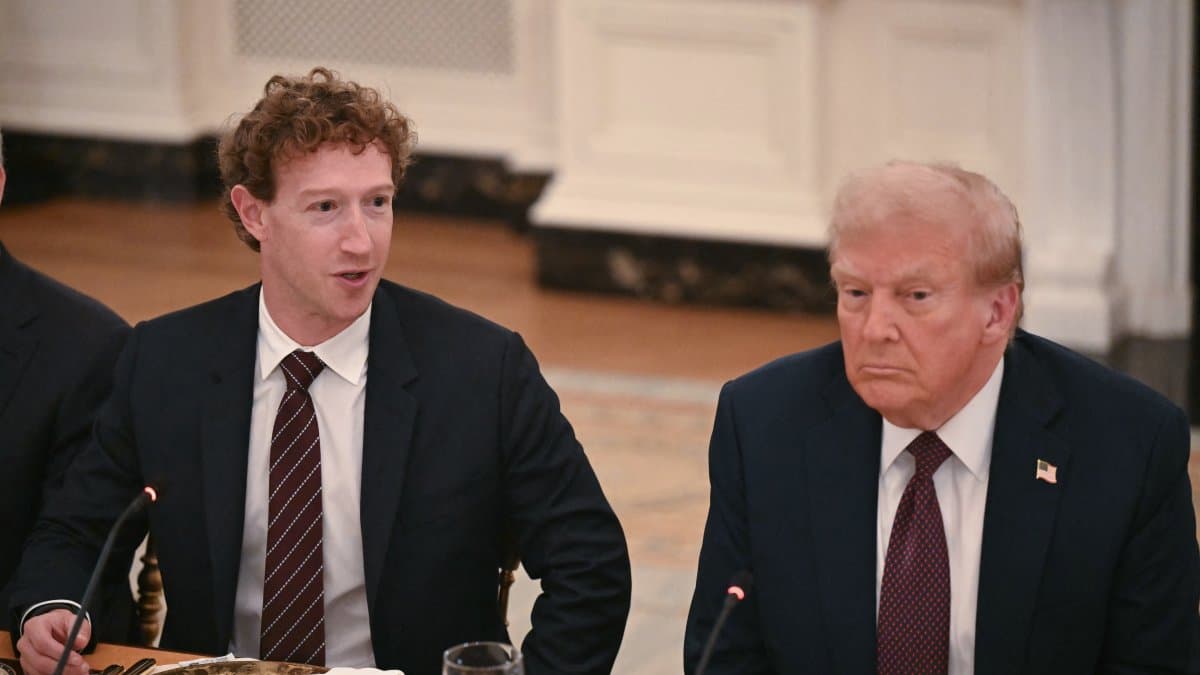
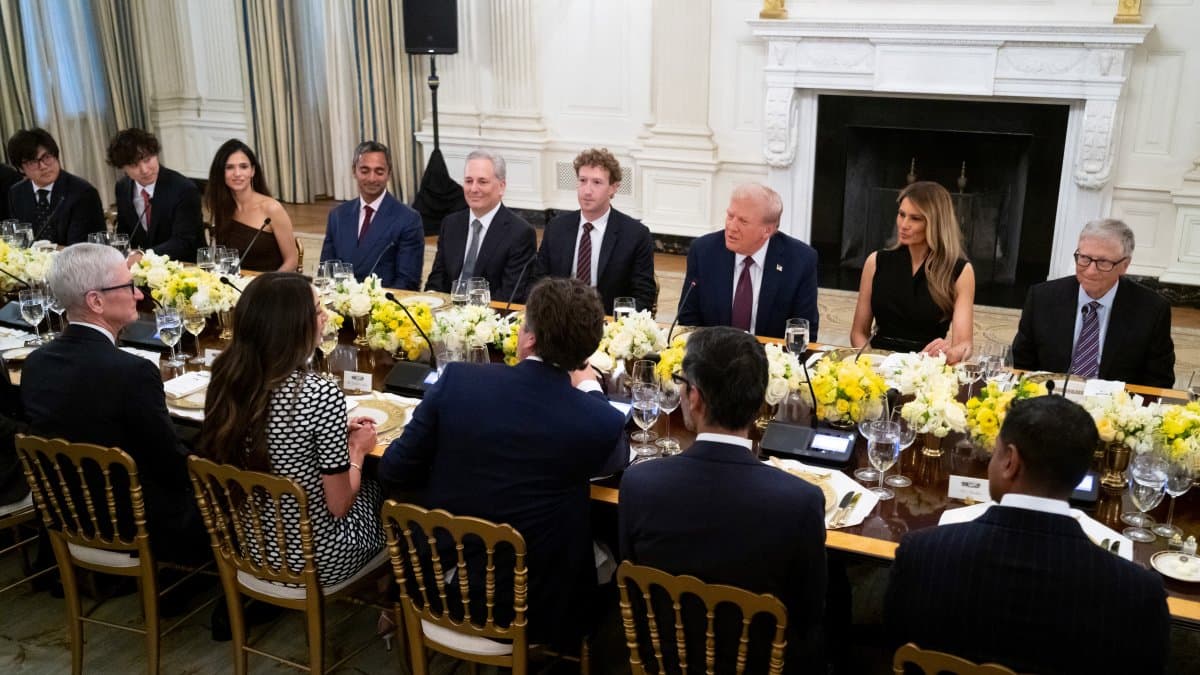
Amid Trump’s push to stimulate the domestic technology industry through tariffs on foreign companies, executives such as Mark Zuckerberg (Meta Platforms), Tim Cook (Apple), and Sam Altman (OpenAI) praised the president for his efforts.
"It's no small thing to bring a group like this together," said Zuckerberg, seated to Trump’s right. "I think that says a lot about his leadership and his focus on innovation."
Also present was Bill Gates, co-founder of Microsoft.
"It's great that we’re coming together to talk about how the United States can dominate this strategic sector and apply it both to the world’s poorest and to our own citizens," Gates said.
🛠 Do you think there is an error in this article?
Recommendations

LATEST