






Washington authorizes export of diluents to boost Venezuelan oil sector
This license prohibits transactions involving persons or entities under the laws of American adversaries, such as Iran, North Korea, Cuba, Russia and China.
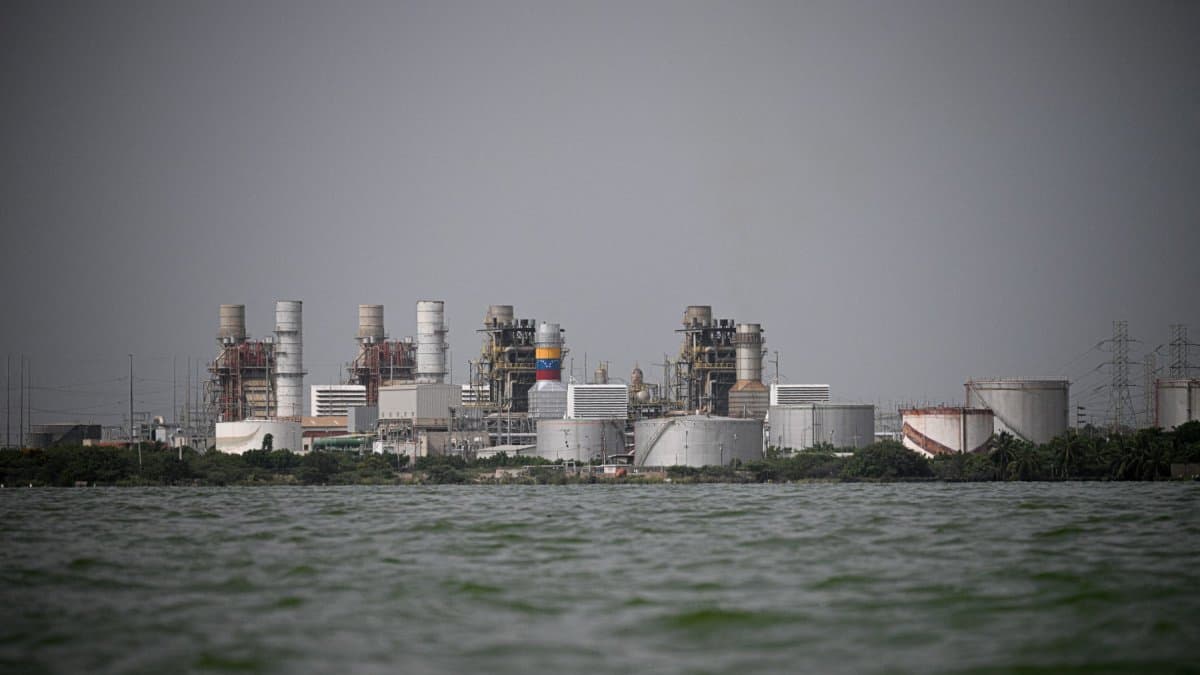

The Treasury Department, through its Office of Foreign Assets Control (OFAC), issued on Tuesday a new general license authorizing the export and sale of diluents from the U.S. to Venezuela. These are a key input for exportable oil production in that OPEC member country.
Diluents are fuels used to blend the extra heavy crude produced in Venezuela and make it fluid and suitable for transportation and refining. This authorization is the second general license recently issued by Washington with the objective of facilitating the recovery of the Venezuelan oil industry following changes in U.S. policy.
What does the new license allow?
General License No. 47, published by OFAC, allows Venezuela, or entities controlled by Petróleos de Venezuela S.A. (PDVSA) and its subsidiaries, to import diluents manufactured in the United States, provided that the contracts are governed by U.S. law and any legal dispute is resolved in American courts.
The official document further states that no non-commercially reasonable payment forms will be allowed, such as debt swaps, payments in gold or in cryptocurrency issued by the Venezuelan regime, including the petro, a digital currency backed by the Venezuelan state that has seen little international use.
Likewise, the license prohibits transactions involving persons or entities under the laws of American adversaries, such as Iran, North Korea, Cuba, Russia and China.

Context of the new authorization
This diluents license comes days after the U.S. issued another broader authorization allowing American oil companies to load, transport, store, sell and refine Venezuelan oil under certain conditions as part of a more flexible policy toward the South American country's energy sector.
The measure also coincides with reforms recently approved by the Venezuelan National Assembly that modify the Hydrocarbons Law with the aim of attracting foreign investment and easing the stricter restrictions of the traditional socialist model.
According to energy sector analysts, this authorization could facilitate an increase in Venezuelan crude oil production, whose recovery has been limited by bottlenecks in the processing of extremely heavy oil, which requires diluents to become exportable crude.

Conditions and obligations of the contracts
These conditions reflect Washington's attempt to maintain control and oversight over Venezuelan oil activity while easing some restrictions imposed since 2019 in response to political tensions and international sanctions.
🛠 Do you think there is an error in this article?
Recommendations







LATEST