Chicago's Democratic mayor pushes grocery tax to cut city deficit
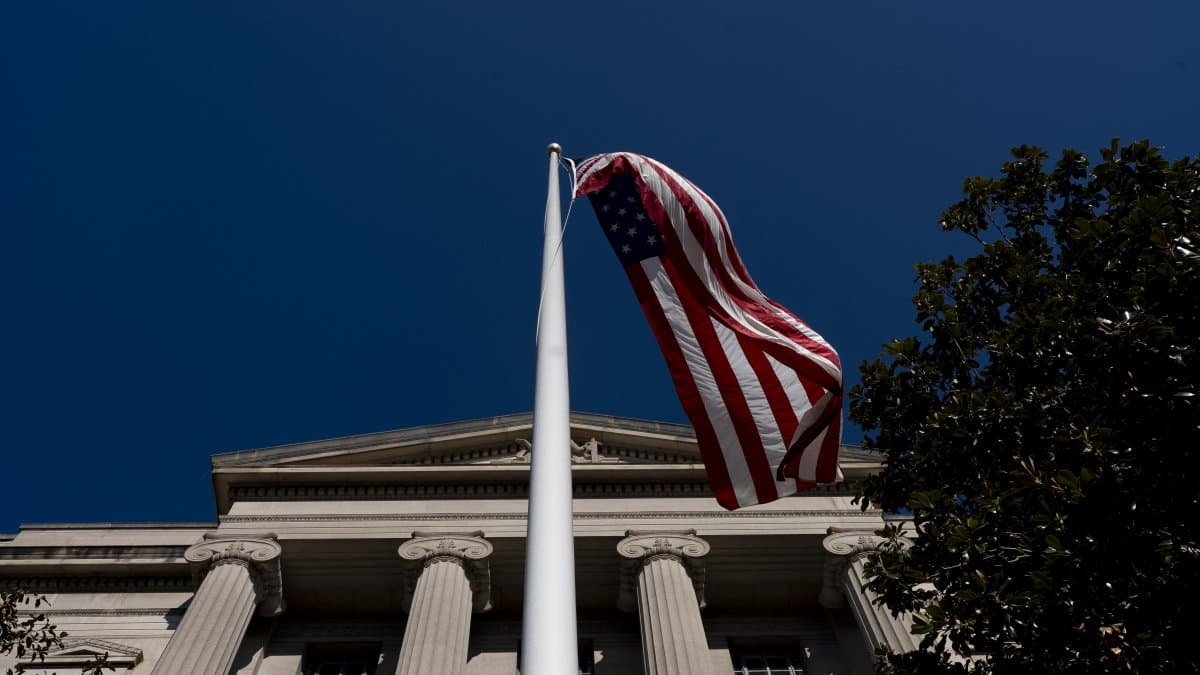
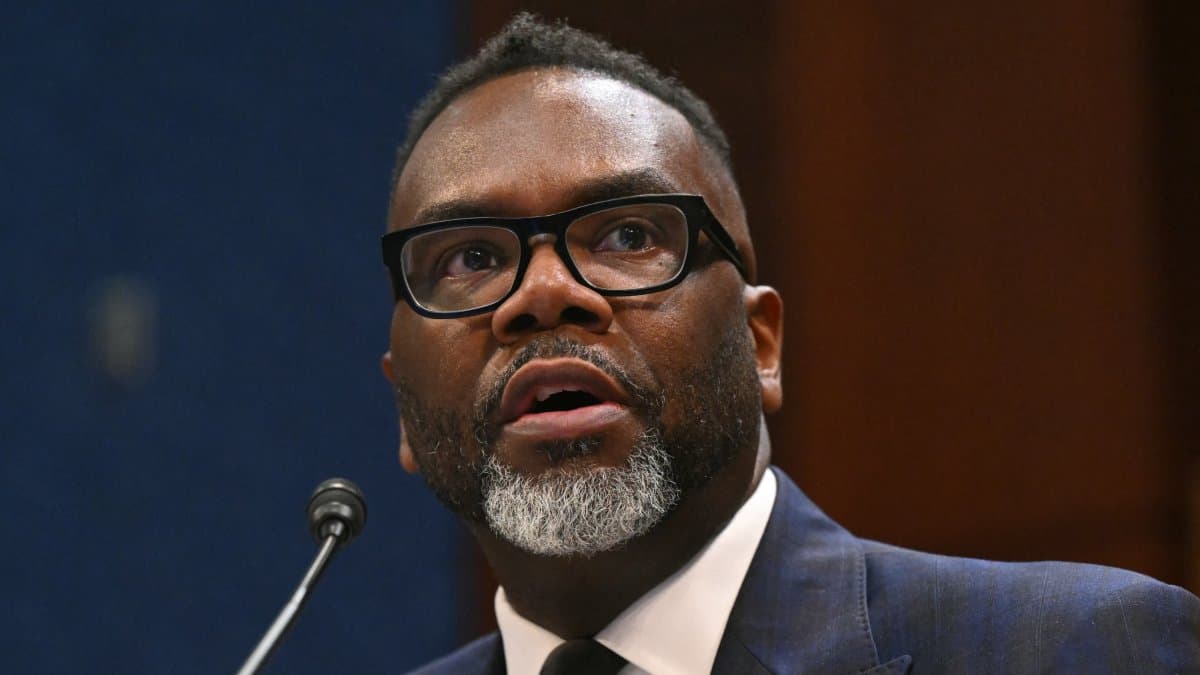
Brandon Johnson also faces a Department of Justice (DOJ) investigation into whether he violated Title VII of the Civil Rights Act of 1964.
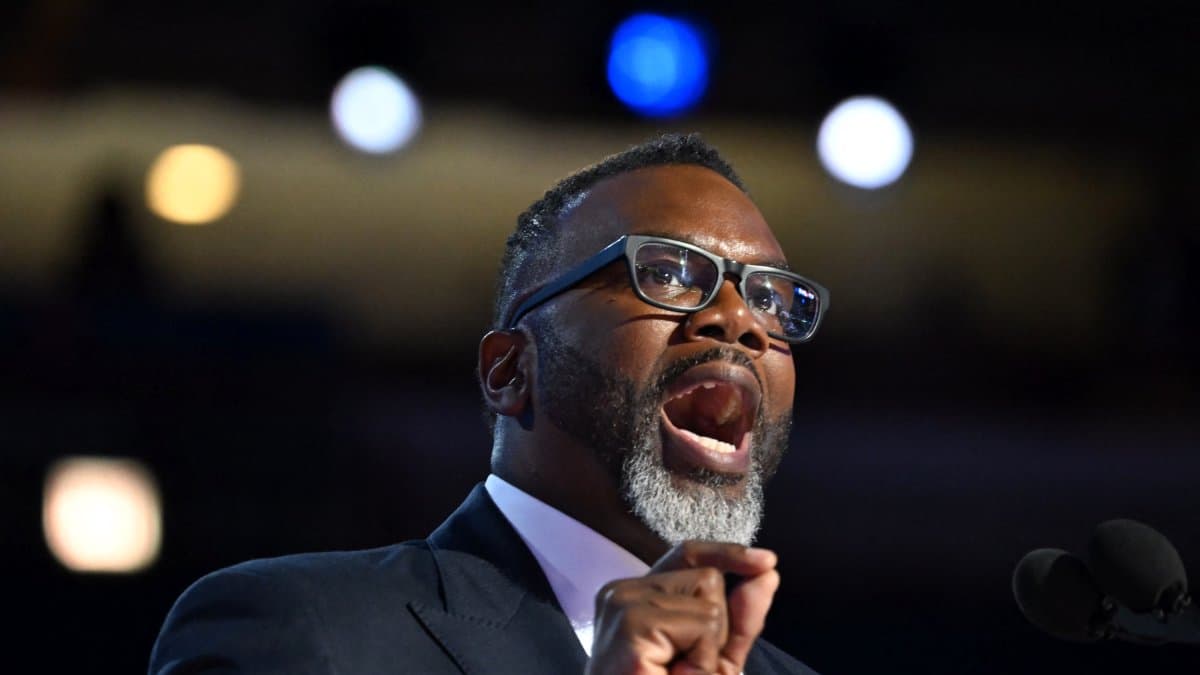

Brandon Johnson pushed a 1% grocery tax to reduce Chicago's city deficit. Although the Democratic mayor remarked that he would be renewing an existing tax, critics argue that it would hurt working-class families and that he could have chosen to eliminate this tax outright.
Illinois currently collects a 1% grocery tax, which will cease operating in 2026. This tax is well below the state's general sales tax rate (6.25%) and is distributed to local governments, including Chicago.
Arguing that without it, Chicago would have an even larger deficit, the mayor proposed setting a tax of his own starting next year, also at 1%.
"Allowing that tax to lapse in 2026 would cost the corporate fund an estimated $80 million next year alone, further exacerbating our $1 billion-plus gap," Annette Guzman, the local budget director, said.
"Nearly 200 other municipalities in Illinois — from Berwyn to Wheaton and beyond — have already voted to extend this grocery tax... If we fail to do the same, we will leave critical services on the chopping block," she added.
In addition, Guzman mentioned that the police is one of the areas to be cut if the tax is not renewed.
Mayor Johnson insisted that he is not creating a new tax, but renewing the one already in place at the state level: "The City of Chicago will not enact its own grocery tax. The grocery tax already exists. There is a process in which the collection of the grocery tax is now being placed in the responsibility of municipalities."
"We’re not creating a grocery tax. We’re just creating a process by which we can collect it," the Democrat remarked.
The city has until next Oct. 1 to approve a new tax to replace the old one to maintain revenue continuity. However, even if the City Council manages to pass it before the deadline, the City Council's Office of Financial Analysis reported in May that collections from any new ordinance would not go into effect until mid-2026.
DOJ investigation against Johnson
The DOJ sent a letter to the Chicago Mayor's Office informing the mayor that he was being investigated under the aforementioned law. In other words, they fear that he is potentially discriminating against white candidates when hiring officials and staff.
🛠 Do you think there is an error in this article?
Recommendations
LATEST