After 'El Mencho' is killed, Mexico deploys 10,000 troops to Jalisco following operation that left nearly 60 dead
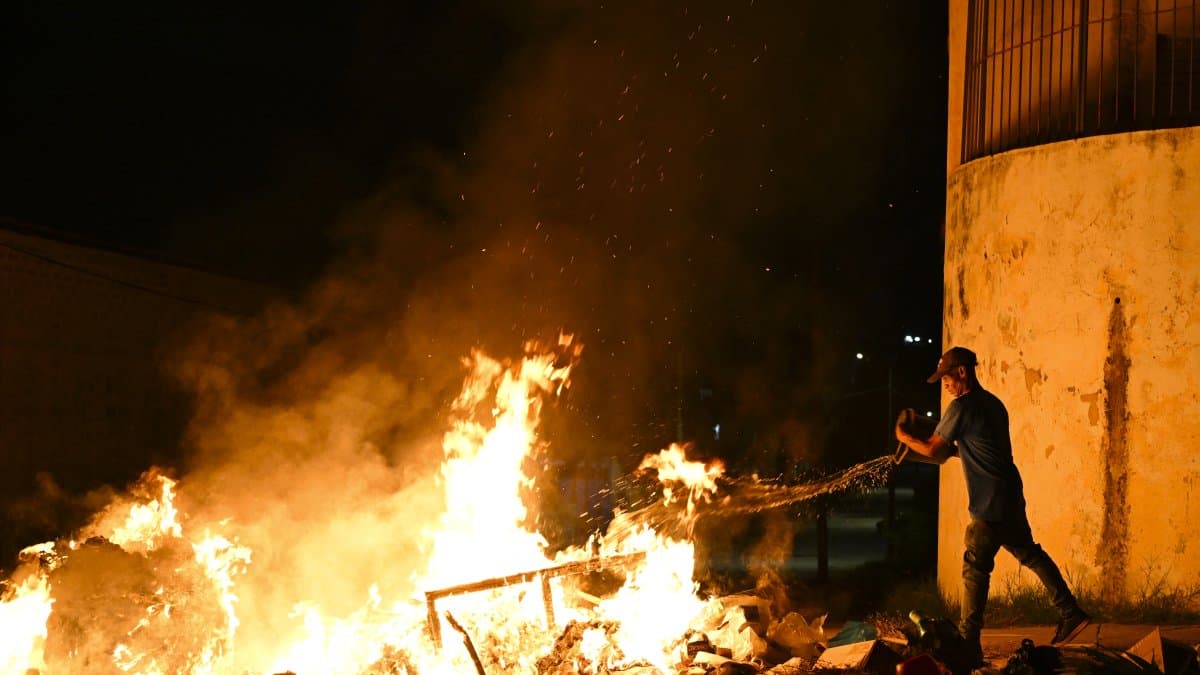
After learning of the capture and subsequent death, members of the CJNG responded almost immediately with road blockades, burning of vehicles and attacks against gas stations, businesses and bank branches.
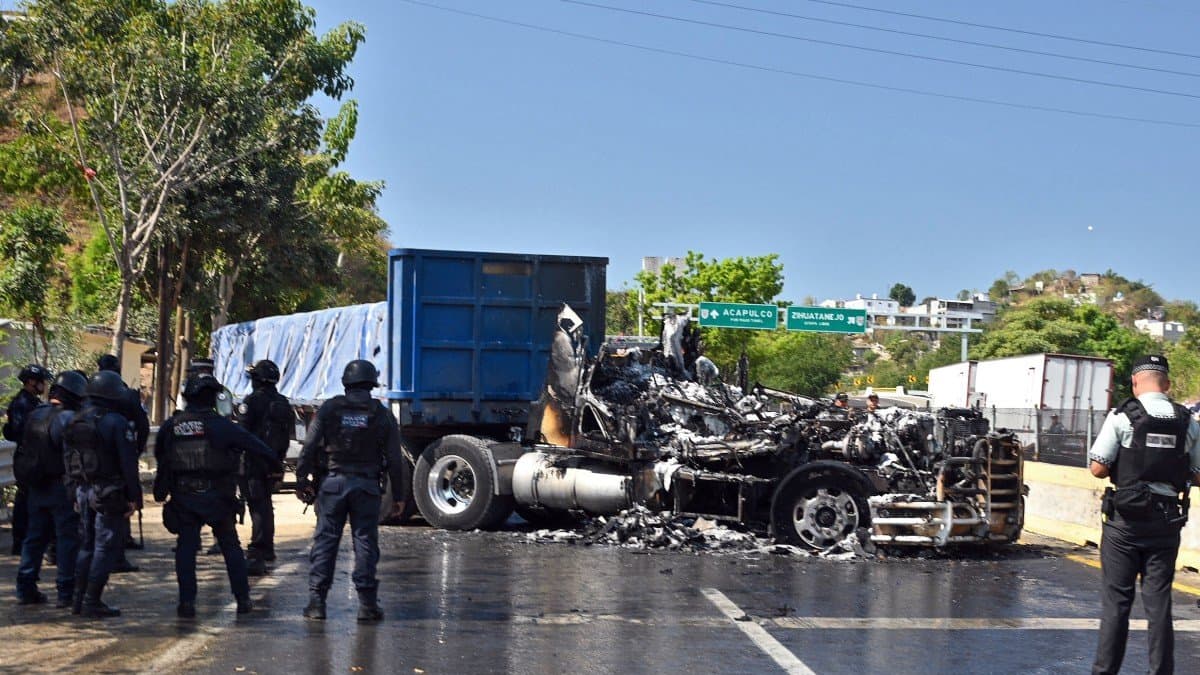

The Mexican government sent 10,000 military personnel to reinforce security in the state of Jalisco following the operation that killed Nemesio Oseguera, alias "El Mencho," leader of the Jalisco Cartel - New Generation (CJNG). The action, carried out on Sunday in the municipality of Tapalpa, left almost 60 dead among security forces, members of the criminal group and a civilian, and was followed by a series of drug blockades and attacks in different parts of the country.
Security Secretary Omar Garcia Harfuch reported that during the initial confrontation and subsequent clashes, 27 agents - 25 members of the National Guard, a guard and an official from the state prosecutor's office - as well as 30 alleged criminals and one woman were killed. The number makes the operation one of the most lethal in recent years in the country.
Oseguera, 59, was wounded during the exchange of gunfire with Army special forces who surrounded the property where he was being held. According to the Ministry of National Defense, the location was made possible after following a close associate of one of his romantic partners. The CJNG leader died while being airlifted to the Mexican capital.
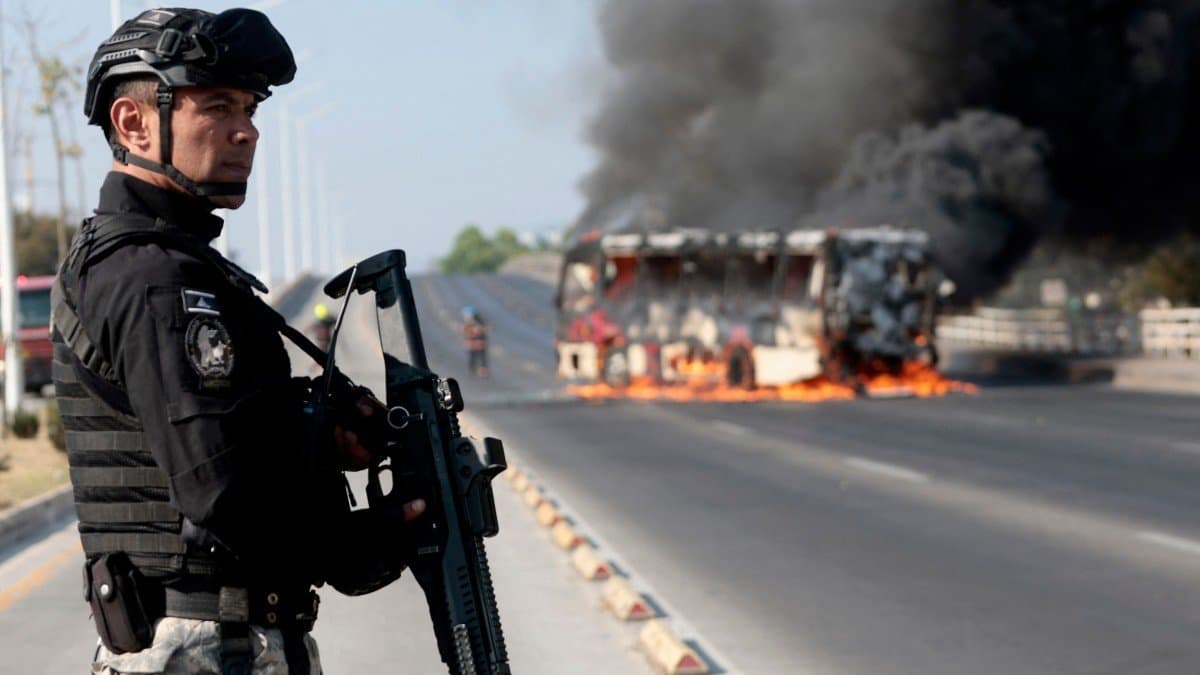
After learning of the capture and subsequent death, members of the CJNG responded almost immediately with highway blockades, burning of vehicles and attacks on gas stations, businesses and bank branches. Federal authorities reported incidents in at least 20 states.
The deployment of 10,000 troops was mainly concentrated in Jalisco, with a reinforced presence in the Guadalajara metropolitan area and in municipalities in the south of the state, including Tapalpa. Federal forces set up checkpoints and increased patrols to prevent new blockades and guarantee traffic on strategic routes.
In Guadalajara, the second most populated urban area in the country, activity was limited the day after the operation. Several schools suspended classes and numerous businesses remained closed as a precaution. In some neighborhoods, service was carried out with half-closed doors or through windows, while vehicular traffic was lower than usual.
President Claudia Sheinbaum affirmed in her morning conference that roads dawned without blockades and that activity was beginning to normalize. She noted that the Mexican government's priority is to protect the population and commercial establishments, and maintained that the country is calm after the violent events of the weekend.
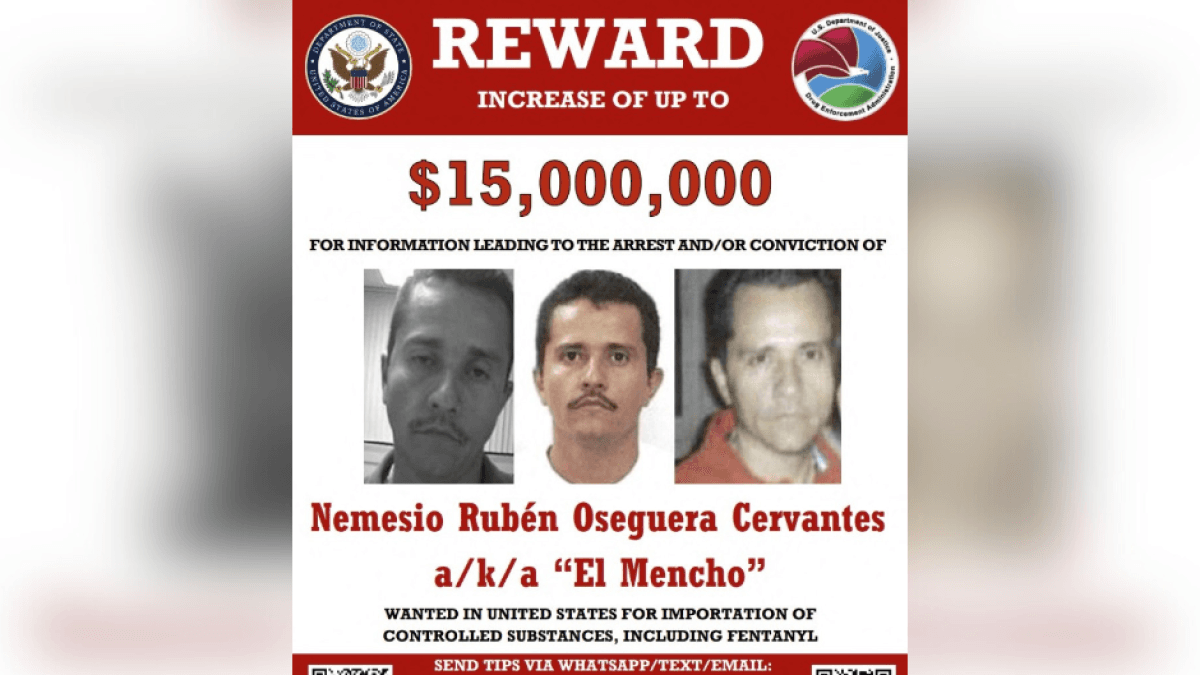
The CJNG is considered one of the criminal groups with the greatest operational capacity in Mexico and presence in several regions. In February 2025 it was designated by the United States as a foreign terrorist organization, and a $15 million reward was offered for Oseguera.
Federal authorities indicated that they remain on alert for possible rearrangements within the cartel's structure following the death of its leader. The Mexican government assured that the military deployment will continue while stability is consolidated in Jalisco and the evolution of the situation in other states where incidents linked to the reaction of the criminal group have been reported.
🛠 Do you think there is an error in this article?
Recommendations



LATEST