Trump says the US will protect the Strait of Hormuz and charge for it as tensions with Iran escalate
The statements come after a new military escalation between Washington and Tehran, with attacks of an intensity not seen since the ceasefire reached in April. The clashes over the past week have centered on the Strait of Hormuz, control of which remains one of the main points of contention between the two countries.
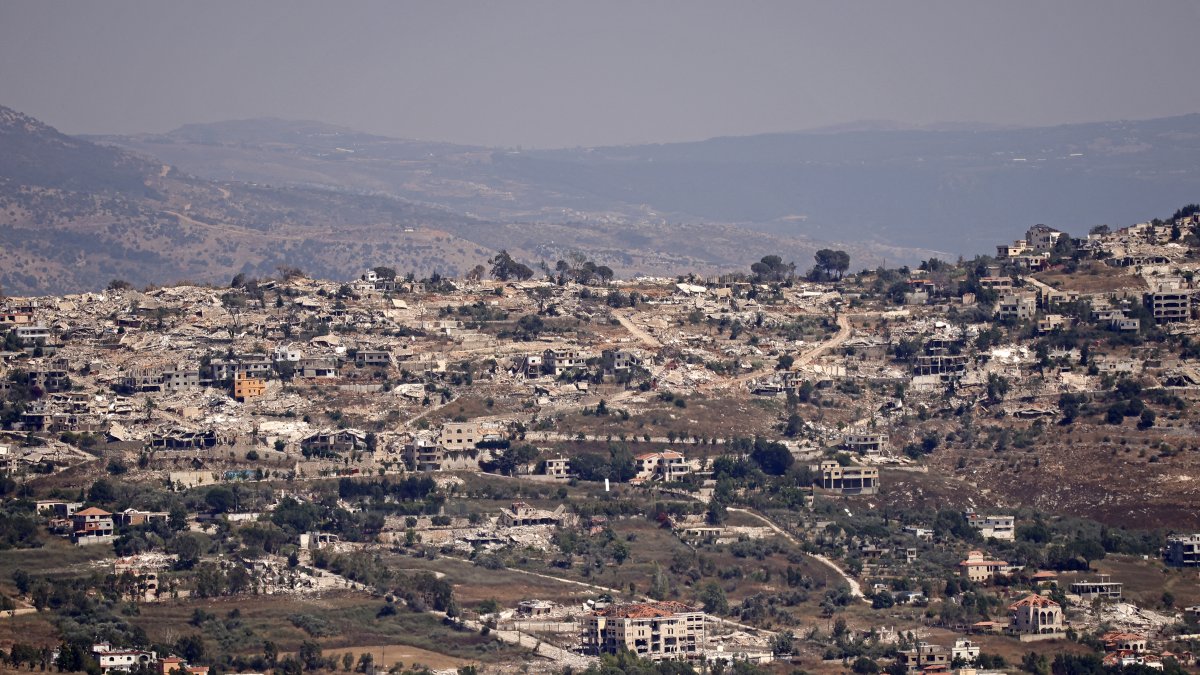
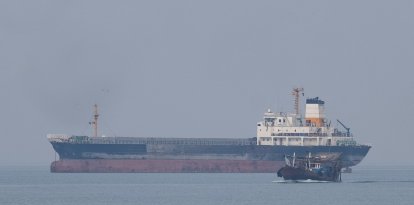
File photo of the war in Iran

Tensions between the United States and Iran rose again on Monday with fresh exchanges of statements and warnings regarding the Strait of Hormuz, one of the most important maritime routes for global oil and gas trade.
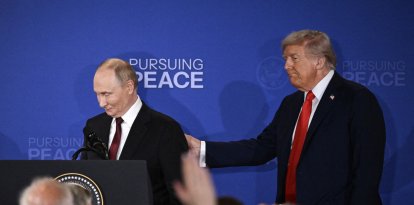
President Donald Trump stated that the United States will "take control" of the strait and that, unlike in the past, it will charge for ensuring its security.
"We'll become the guardian of the Strait," Trump said during an interview on "Fox & Friends." "We're going to get paid for guarding it. A lot of money, but we just want to be reimbursed for doing all of this, for putting our people in danger."
The remarks, AFP noted, come after a new military escalation between Washington and Tehran, with attacks of an intensity not seen since the ceasefire reached in April. The clashes over the past week have centered on the Strait of Hormuz, control of which remains one of the main points of contention between the two countries.
JNS
US military says it struck 140 Iranian targets after ‘blatant’ Islamic Republic attack on ship in Hormuz
JNS (Jewish News Syndicate)
Trump also criticized the Iranian negotiators following the talks held over the weekend.
"We're taking over the Strait. They have nothing. They've got nothing," he said. "Yesterday, they had an 11-hour meeting ... And everything was agreed to yesterday. And they leave the room, and they call back, and they say we had to make a couple of changes."
For its part, Iran's Ministry of Foreign Affairs reported that it is in contact with mediators from Qatar, Pakistan and Oman to try to prevent further escalation of the conflict.
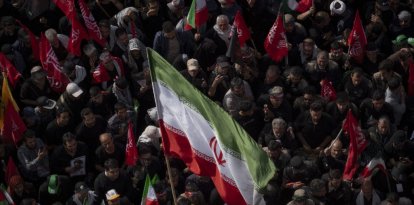
At the same time, Iranian authorities reiterated that they will not allow U.S. intervention in the strait. The spokesperson for the Khatam Al-Anbiya military command assured that Tehran "under no circumstances will allow... the United States to interfere in the management" of the sea lane and warned that any cooperation between Gulf countries and Washington will be considered "an act of war."
The Islamic Revolutionary Guard Corps also accused the United States of endangering the global supply of oil and gas. Its spokesperson, Hossein Mohebi, stated that Washington had "seriously jeopardized the security of the global oil and gas supply and must be held accountable," and maintained that Iran "will continue to exercise sovereignty over and management of the Strait of Hormuz."
The situation in Yemen
"I have also ordered that the scope of the confrontation not be expanded in a manner that would achieve Iran's objective of dragging Yemen and its people into wars," Al-Alimi stated.
LATEST