What is hantavirus: symptoms, contagion, fatality rate and how to prevent the infection that keeps an international cruise ship on alert
Hantavirus can cause severe pulmonary and renal diseases. It is transmitted mainly by contact with infected rodents and some strains are highly lethal.

Illustration of a hantavirus testing concept with laboratory tubes (File).

The hantavirus returned to the international spotlight following the outbreak detected on the cruise ship MV Hondius, where at least three people died and several passengers remain under medical observation. Although international health authorities insist that the overall risk is low, the case raised questions about a rare but potentially deadly disease.
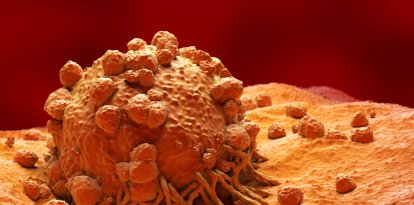
Hantaviruses are a family of viruses transmitted mainly by infected rodents. According to the Centers for Disease Control and Prevention (CDC), these viruses can cause serious conditions such as hantavirus pulmonary syndrome (HPS) and hemorrhagic fever with renal syndrome (HFRS).
What is hantavirus?
Hantavirus is a virus present in different species of rodents in various regions of the world. Carrier animals can shed the virus through urine, droppings and saliva without becoming ill themselves.
People often become infected by inhaling contaminated microscopic particles present in dust in enclosed or poorly ventilated places, especially in abandoned dwellings, shacks, warehouses, campsites or rural areas with mouse infestations.
According to the CDC and U.S. public health agencies, contagion from rodent bites or scratches is possible, although rare.
How is it transmitted?
The primary route of transmission is exposure to infected rodent fluids or waste. The risk increases in enclosed spaces where feces or nests accumulate.
The health authorities recommend special caution when:
- cleaning enclosed places that were unoccupied for a long time;
- manipulating mouse nests or droppings;
- sweeping or vacuuming contaminated areas without adequate ventilation;
- camping or sleeping directly on the ground in rural areas.
Most hantaviruses are not transmitted from person to person. However, the Andes strain—detected in South America and linked to the MV Hondius cruise ship outbreak—is the only one for which there is documented evidence of human transmission in close contacts.
The World Health Organization (WHO) recently explained that this type of transmission would require close proximity, such as exchange of saliva or very close contact during the symptomatic phase.
What are the symptoms of hantavirus?
According to the CDC, the first symptoms can appear one to eight weeks after exposure and include:
- fever;
- fatigue;
- muscle aches;
- chills;
- headache;
- nausea;
- vomiting;
- diarrhea;
- abdominal pain.
- a cough;
- difficulty breathing;
- chest tightness;
- fluid accumulation in the lungs.
How deadly is hantavirus?
Hantavirus can be highly lethal, especially when it affects the lungs.
The CDC estimates that about 38% of patients with hantavirus pulmonary syndrome who develop respiratory symptoms may die.
In other variants, such as hemorrhagic fever with renal syndrome, mortality depends on the strain involved. Some viruses have rates of less than 1%, while others reach between 5% and 15%.
The Andes strain, which circulates in regions of Argentina and Chile, is one of the most closely monitored by South American health authorities due to its severity and limited capacity for human-to-human transmission.
Is there a treatment?
Currently there is no specific antiviral treatment for hantavirus.
Patients receive supportive care and intensive treatment to relieve symptoms and sustain vital functions. In severe cases, it may be necessary:
- assisted oxygenation;
- intubation and mechanical ventilation;
- intensive hydration;
- dialysis, when renal involvement is present.
Specialists stress that early diagnosis significantly improves the chances of survival.
How to prevent hantavirus
Prevention is mainly based on avoiding contact with rodents and their waste.
The official recommendations include:
- sealing holes and cracks in homes and storage;
- storing food in closed containers;
- eliminating sources of garbage;
- using rodent traps;
- ventilate enclosed spaces for at least 30 minutes before cleaning;
- disinfect surfaces with bleach or hypochlorite solutions before removing droppings;
- avoid dry sweeping or vacuuming contaminated areas.
The CDC also advises wearing gloves, masks and eye protection during cleanup in areas where rodents may be present.
Where the virus circulates
In North America, the main reservoir is the so-called "deer mouse." In South America, health authorities are especially monitoring the circulation of the Andes strain in Patagonian regions of Argentina and Chile.
According to the Argentine Ministry of Health, provinces with historical circulation of the Andes strain include Chubut, Río Negro and Neuquén. In contrast, no circulation had been detected in Tierra del Fuego since mandatory case registration began in 1996.
Why cruise ship outbreak generates international attention
The outbreak recorded on the MV Hondius caught the attention of the WHO because it involves multiple nationalities and a possible case of human transmission associated with the Andes strain.
However, both WHO and CDC insisted that the risk to the general population remains low and that the situation is not comparable to respiratory pandemics such as covid-19.
The international investigation continues to reconstruct the chain of contagion and to determine exactly where the initial exposure to the virus occurred.
LATEST