White House launched $50 billion program to transform rural healthcare
The Rural Health Transformation (RHT) Program was included in the 'One Big Beautiful Bill,' now also called the Working Families Tax Cuts Act, signed by President Donald Trump last July 4.
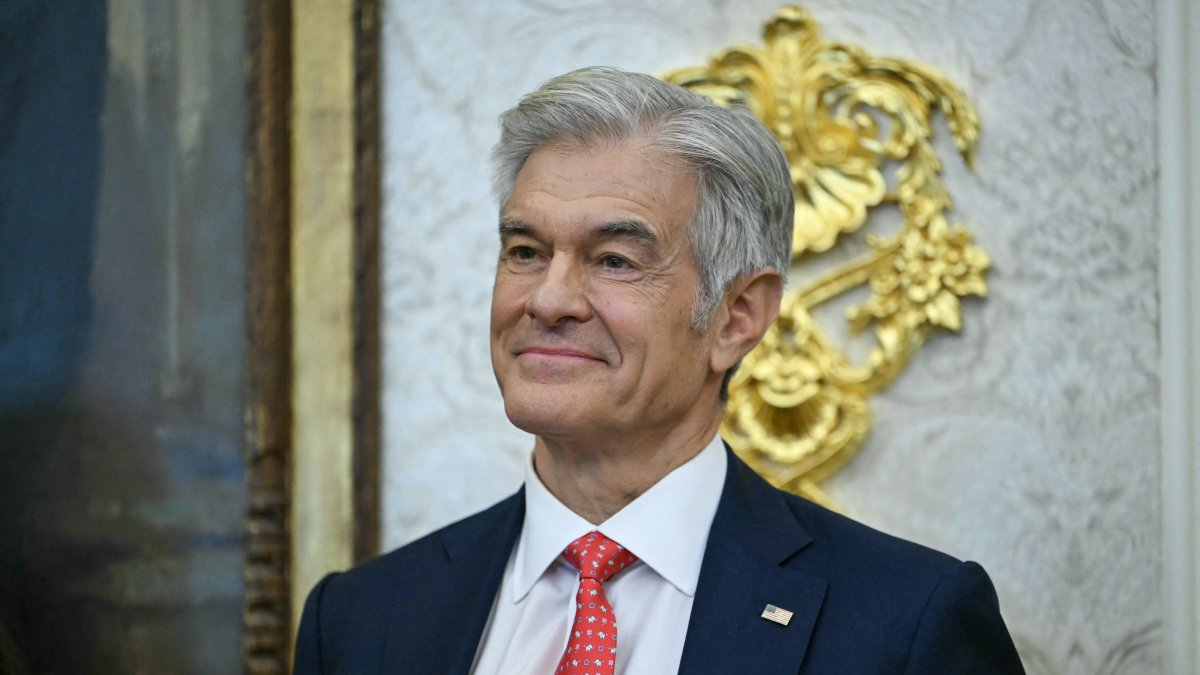
Mehmet Oz at the White House/ Andrew Caballero- Reynolds.

The Trump Administration announced the launch of the $50 billion Rural Health Transformation (RHT) Program. The measure was included in the 'Big Beautiful Bill,' now also called the Working Families Tax Cuts Act, signed by President Donald Trump on July 4. The White House highlighted the RHT as an "unprecedented" launch.
The plan, which promises to transform healthcare in rural communities across the country, will work as follows: the federal government will send money to states, which previously submitted a rural health transformation plan, to invest it in communities efficiently.
As reported by the Centers for Medicare and Medicaid Services (CMS), the total budget of $50 billion will be distributed over five years, between 2026 and 2030, with $10 billion available at least each year. In 2026, states will get the first disbursements, averaging around $200 million per state.
">Today, @CMSGov announced that all 50 states will receive awards under the Rural Health Transformation Program, a $50 billion initiative established under the Working Families Tax Cuts legislation to strengthen and modernize health care in rural communities across the country.… pic.twitter.com/btt5fuCTn7
— DrOzCMS (@DrOzCMS) December 29, 2025
In addition, the distribution scheme of the funds has a variable portion. On the one hand, 50% of the annual $10 billion is divided equally among all approved states, ensuring a minimum base for each. However, the other 50% is allocated according to specific criteria, such as the amount of rural population, the number and needs of rural health facilities, state policies that improve access and quality of care, and the potential impact of each state's proposed initiatives.
Together, these funds will enable states to improve access to healthcare services in rural communities, strengthen the physician workforce in rural areas, modernize technology and equipment, implement more affordable forms of payment, and retain a highly qualified healthcare workforce.
"Today marks an extraordinary milestone for rural health in America. Thanks to Congress establishing this investment and President Trump for his leadership, states are stepping forward with bold, creative plans to expand rural access, strengthen their workforces, modernize care, and support the communities that keep our nation running," celebrated CMS Administrator Mehmet Oz.
"More than 60 million Americans living in rural areas have the right to equal access to quality care. This historic investment puts local hospitals, clinics, and health workers in control of their communities’ healthcare. Thanks to President Trump’s leadership, rural Americans will now have affordable healthcare close to home, free from bureaucratic obstacles," added Health and Human Services Secretary, Robert Kennedy Jr.
In terms of money received, these will be the five most favored states in 2026: Texas ($281.3 million), Alaska ($272.2 million), Oklahoma ($223.5 million), Kansas ($221.9 million) and Georgia ($218.9 million). The amount includes the equal share of funding and the extra portion allocated for the factors already mentioned by CMS.
LATEST