






Trump reduces tariffs on coffee, meat and fruit to ease the cost of living
The move excludes these goods from the "reciprocal" tariff scheme imposed this year by the Republican president.
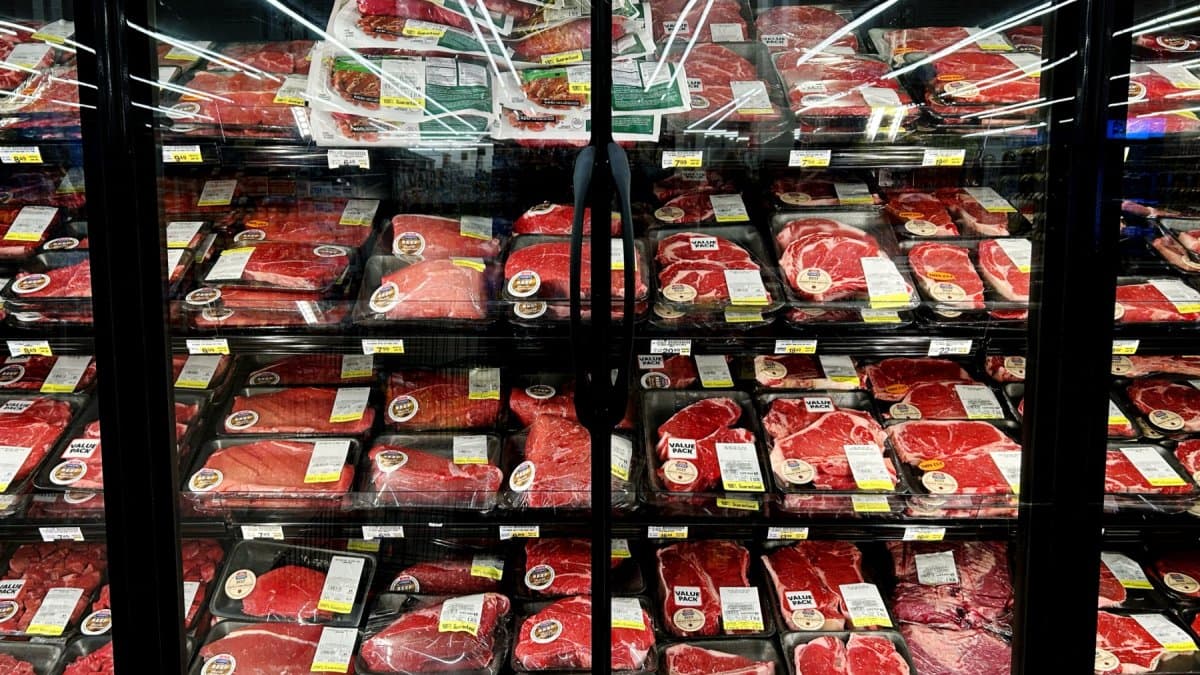

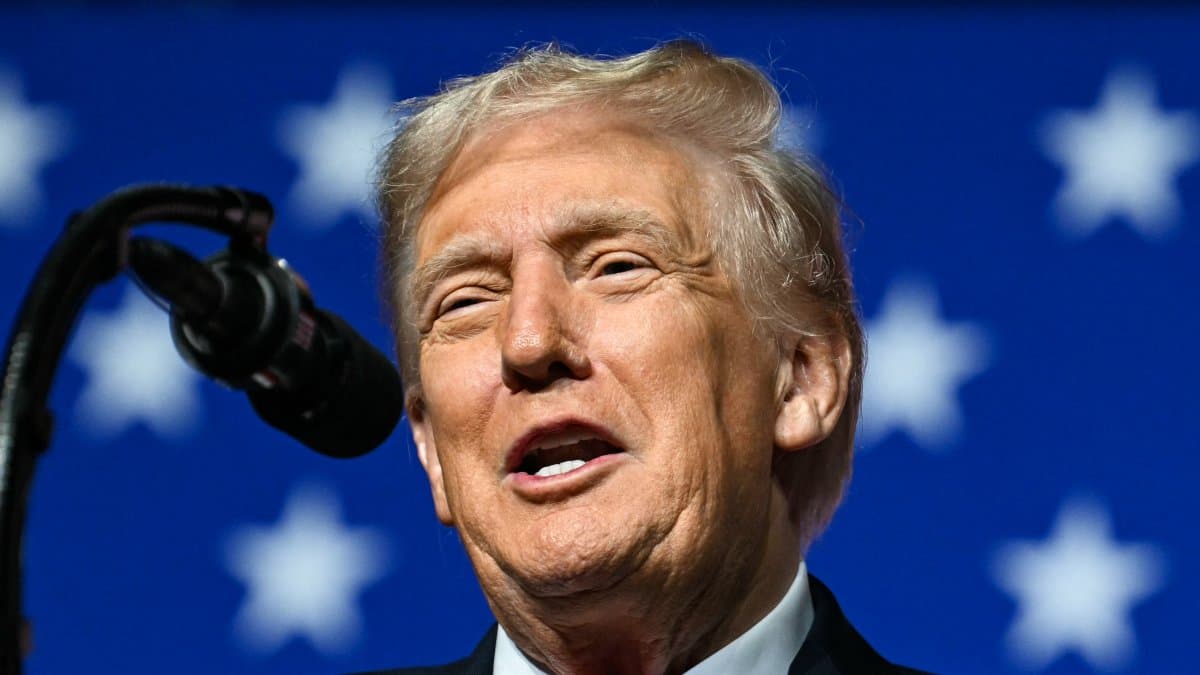
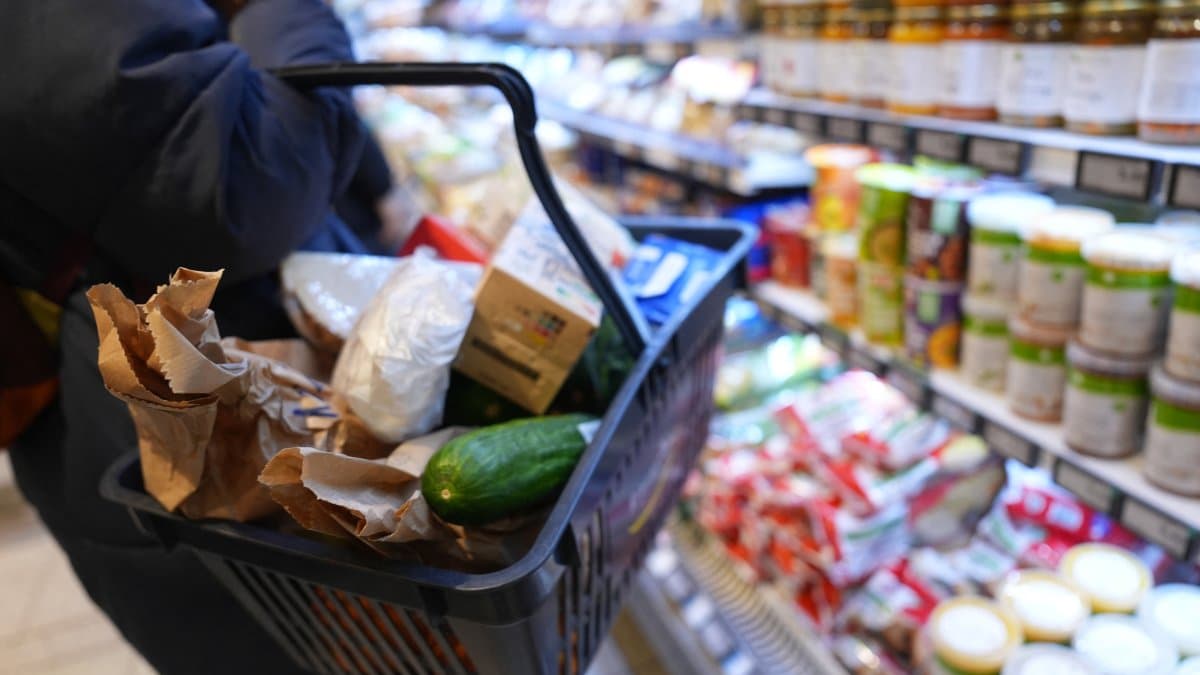
President Donald Trump signed a presidential executive order on Friday to significantly reduce tariffs on a range of essential goods, including coffee, beef, bananas, tomatoes, mangoes, avocados, pineapples, tea and coconuts, as part of a broader effort to contain the rising cost of living affecting households and businesses in the country.
The formal measure excludes these goods from the "reciprocal" tariff scheme imposed this year by Trump. According to the White House, these products have almost non-existent or insufficient domestic supply to meet domestic demand, so the tariffs generated additional inflationary pressures.
The shift comes just months after Trump imposed a minimum tariff of 10% on most imports, deeming the trade deficit to pose "an unusual and extraordinary threat" to the economy and national security. That tariff framework increased Treasury revenues, but also contributed to higher prices on key items.
Inflation forces a second correction
According to the official statement, the preliminary revision made in September fell short. Today, according to the White House, "current domestic demand for certain products" and "current domestic capacity to produce certain products" justify freeing tariffs on products whose importation is essential for U.S. consumption.
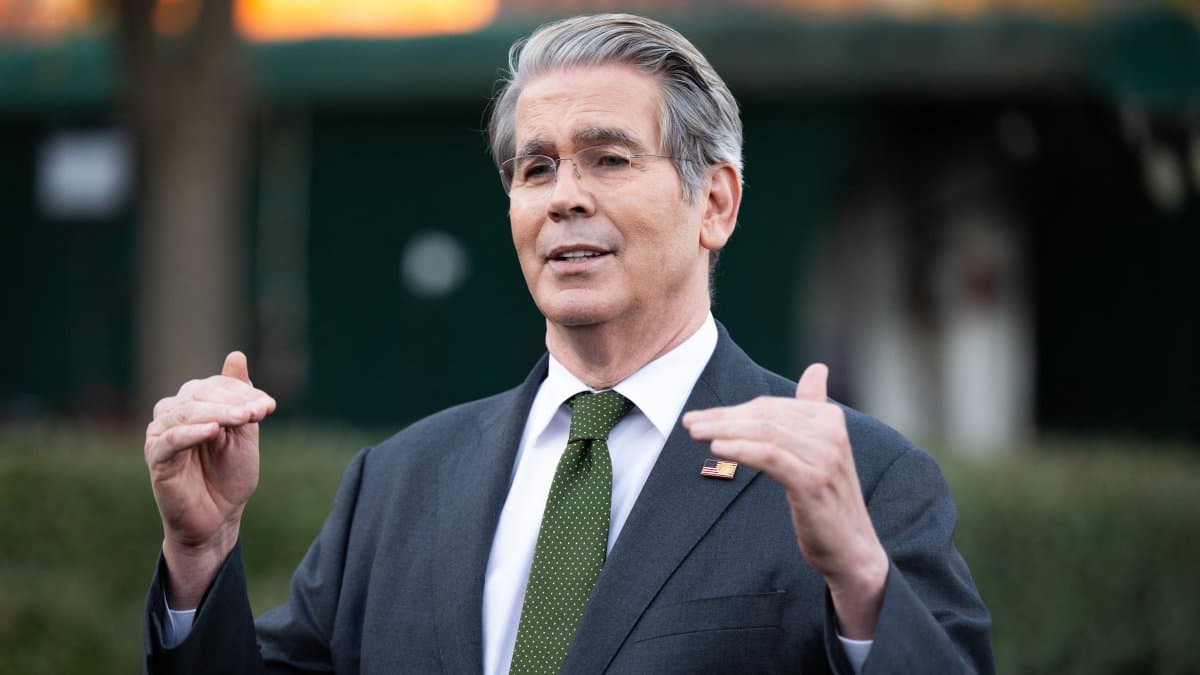
The cost of living has been a primary concern in polls for months. The director of the National Economic Council himself, Kevin Hassett, acknowledged this week that inflation is "something that we’re going to fix, and we’re going to fix it right away."
Economy
"We're gonna take all this stuff, very quickly": Trump announces tariff reduction to lower coffee prices
Luis Francisco Orozco
Coffee, meat and fruit: Commercially sensitive products
Coffee is among the goods most affected by recent inflation: its price rose nearly 20% between August and September. Bill Murray, president of the National Coffee Association, welcomed President Trump's decision, saying it will help "ease cost-of-living pressures for the two-thirds of the U.S. adult population that consumes coffee every day."
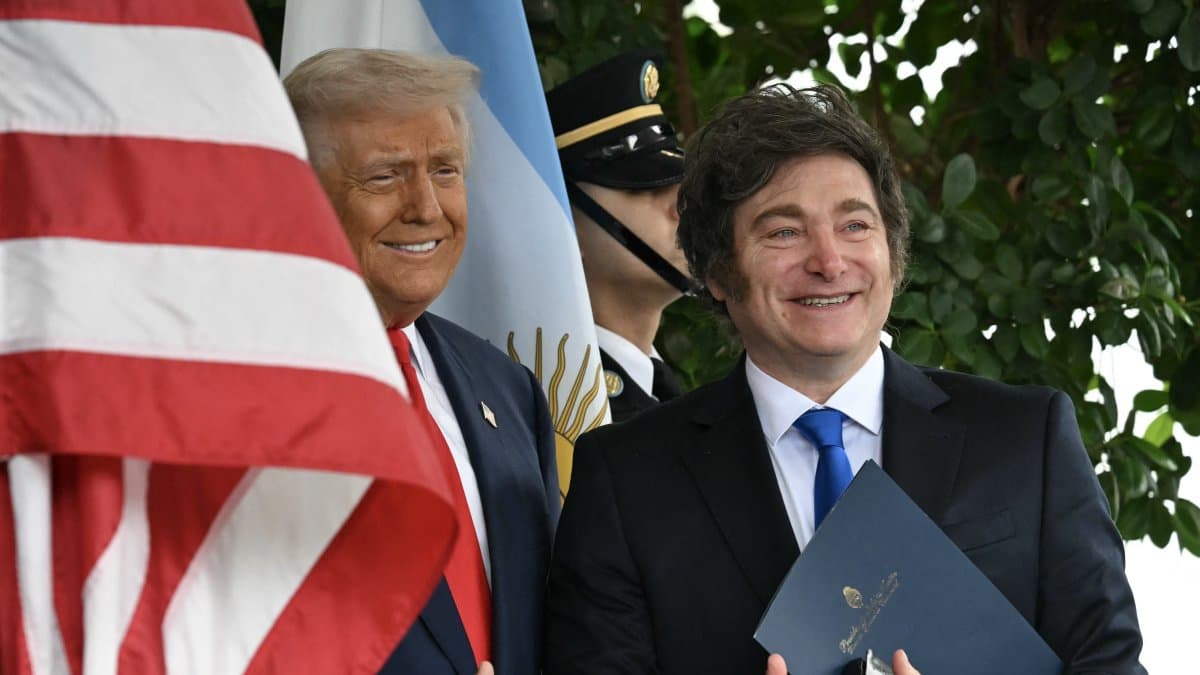
Beef is going through its own crisis. Prices rose nearly 15% year-on-year in September, driven by the cattle herd falling to its lowest level in 74 years and domestic demand remaining strong. Last week, Trump also ordered an investigation into the sector's packers, which he accuses of colluding to fix prices. Now, thanks to agreements with Argentina, a world leader in exports, the U.S. market is expected to be nourished, supplied and meet demand at more affordable prices.
Agreements with four Latin American countries to reorganize trade
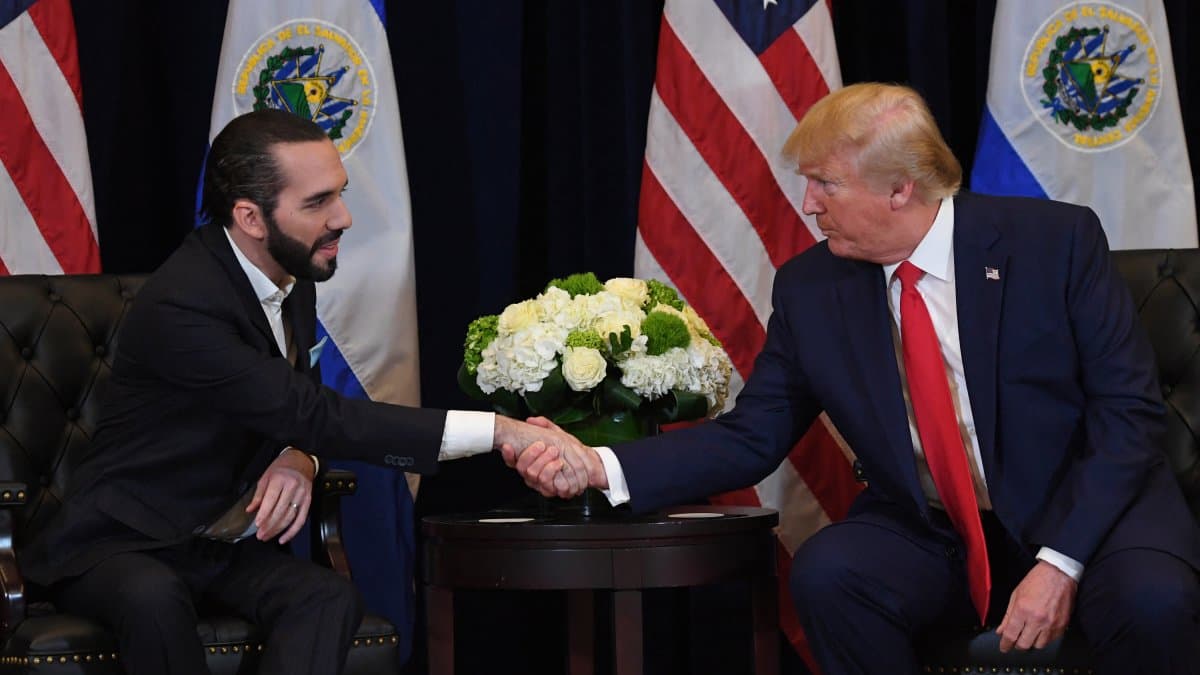
The objective, Trump administration officials explain, is to orient trade policy towards products essential for domestic consumption without renouncing the principle of reciprocity.
Signs of support are also coming from the business sector. Neil Bradley, executive vice president of the Chamber of Commerce, stressed that "the millions of dollars the Federal government collected in additional tariffs on these products resulted in higher prices for businesses and families," and argued that "the President's actions will help reduce costs for Americans."
🛠 Do you think there is an error in this article?
Recommendations






LATEST