ANALYSIS
White House discusses partial Intel stockholding in a move that could boost domestic industry
The mere fact that this option is being considered sparked a stock market rally. The company's shares rose more than 7% and continued to gain value after the market closed.
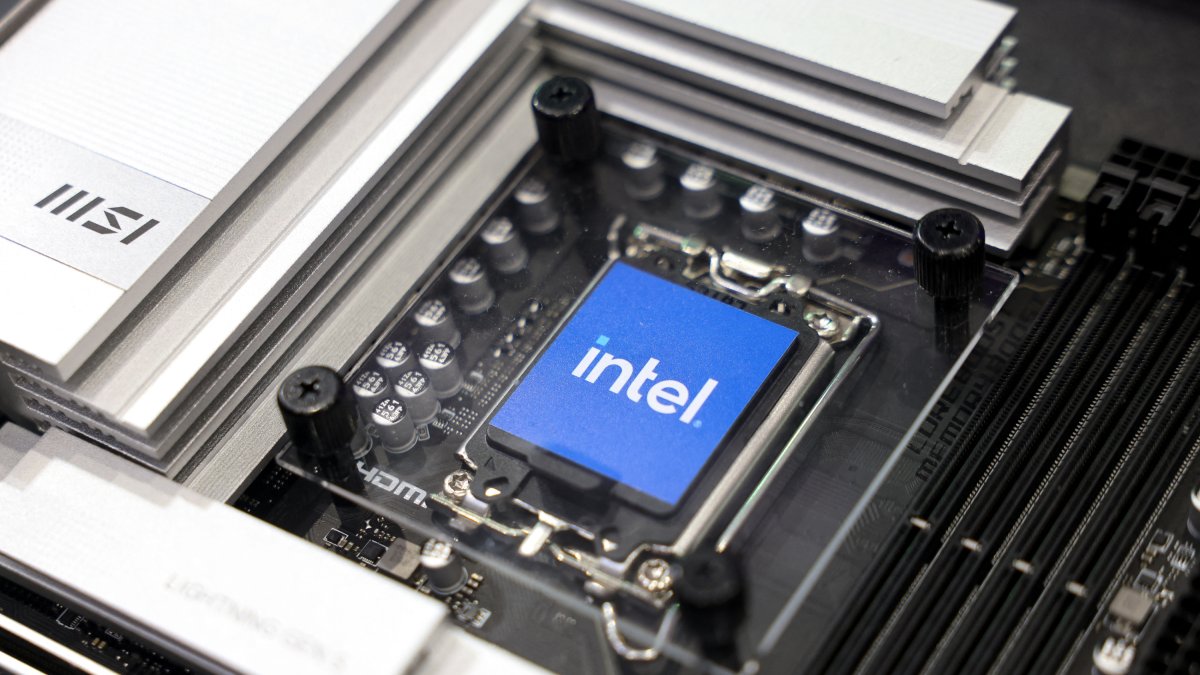
Sample of an Intel chip

The White House is analyzing a move that could mark a new chapter in the relationship between the federal government and the technology industry: the possible purchase of a shareholding in Intel by the United States. The deal, still in the preliminary stages, could boost chip manufacturing domestically and strengthen the company's position vis-à-vis the sector's Asian giants, according to people familiar with the talks.
Sources close to the talks say the issue was raised during a meeting between President Donald Trump and Intel CEO Lip-Bu Tan last Monday. Although the negotiations are still open and there is no guarantee that they will succeed, the mere fact that this option is being considered sparked a stock market rally: Intel shares rose more than 7% and continued to gain value after the market closed.
A geopolitical chessboard
Trump's interest in bolstering domestic chip production responds to a strategic objective: reducing dependence on foreign manufacturers, in particular Taiwan Semiconductor Manufacturing Co.(TSMC), the world leader in the sector. In parallel, the president has publicly questioned the role of Tan, whom he accuses of maintaining investment ties with Chinese technology companies that could generate conflicts of interest.
In recent months, large technology corporations have accelerated expansion projects in the United States to align with the presidential agenda, which rewards companies that invest and produce within the country. Intel, because of its size and track record, is seen as the strongest candidate to compete with TSMC if it receives financial and regulatory support.
Obstacles for Intel
Despite the expectation generated by a possible federal investment, analysts warn that Intel's problems will not be solved with financing alone. The company reported losses of $2.9 billion in the second quarter, dragged down by a business model that many consider outdated and by a product offering poorly adapted to the growing demands of artificial intelligence. In this area, more innovative competitors have taken the lead.

Previous high-impact interventions
LATEST