ANALYSIS
The left's digital 'black bloc': From France to Spain, the new tactic to organize riots via TikTok and Telegram
In all these cases, it has functioned as a form of collective action without a formal structure, since there is no central command, but rather small groups that coordinate on the fly and dissolve into the crowd.
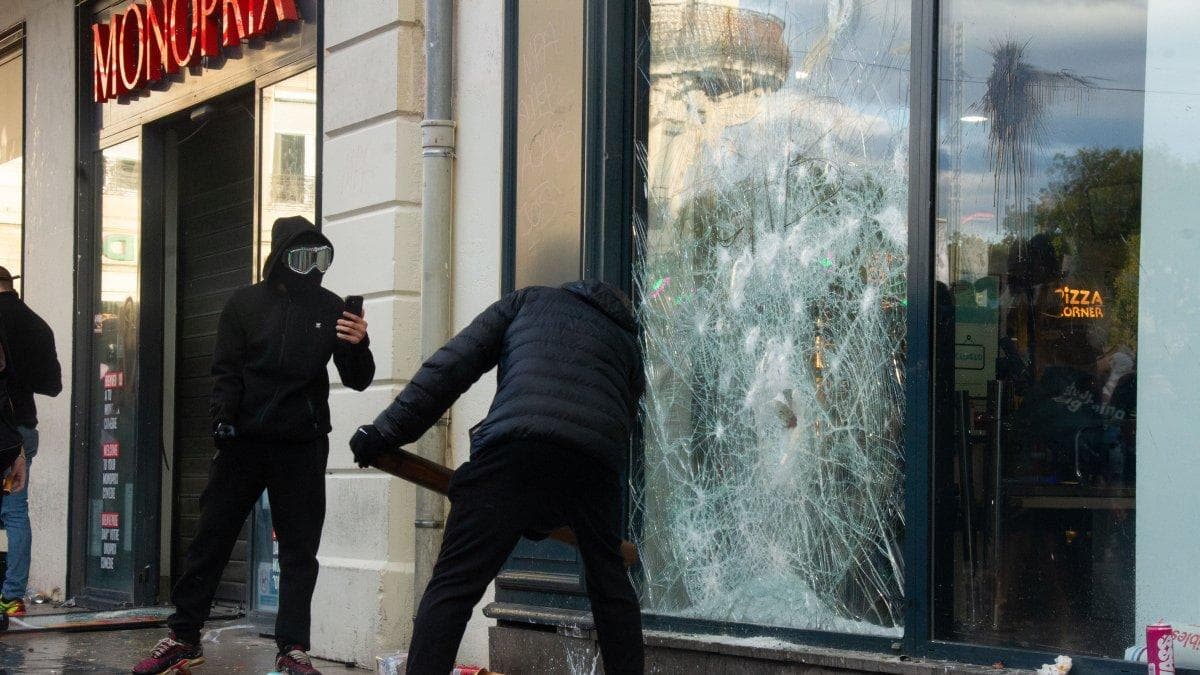

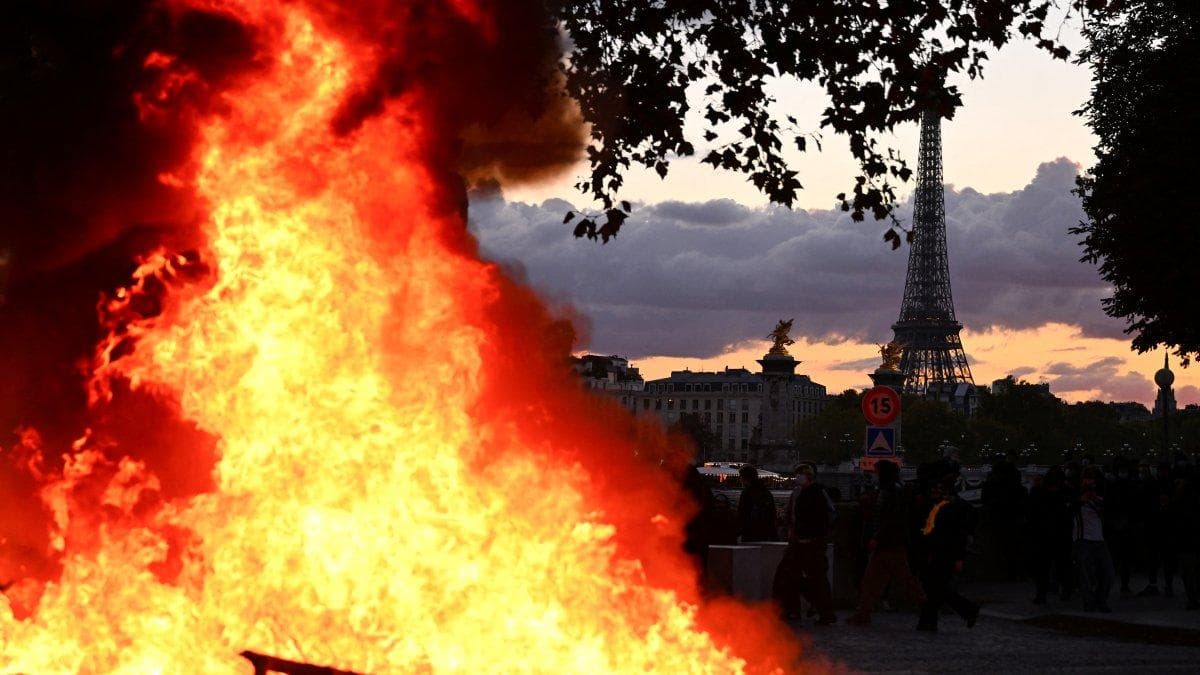
This month, France became the epicenter of a wave of riots that quickly spread to Spain. What began as student protests over conditions in high schools, under the slogan "Lycées Indignés" ("Outraged High Schools"), escalated into violent clashes, looting and arson, including the burning of the historic city hall in Limoges.
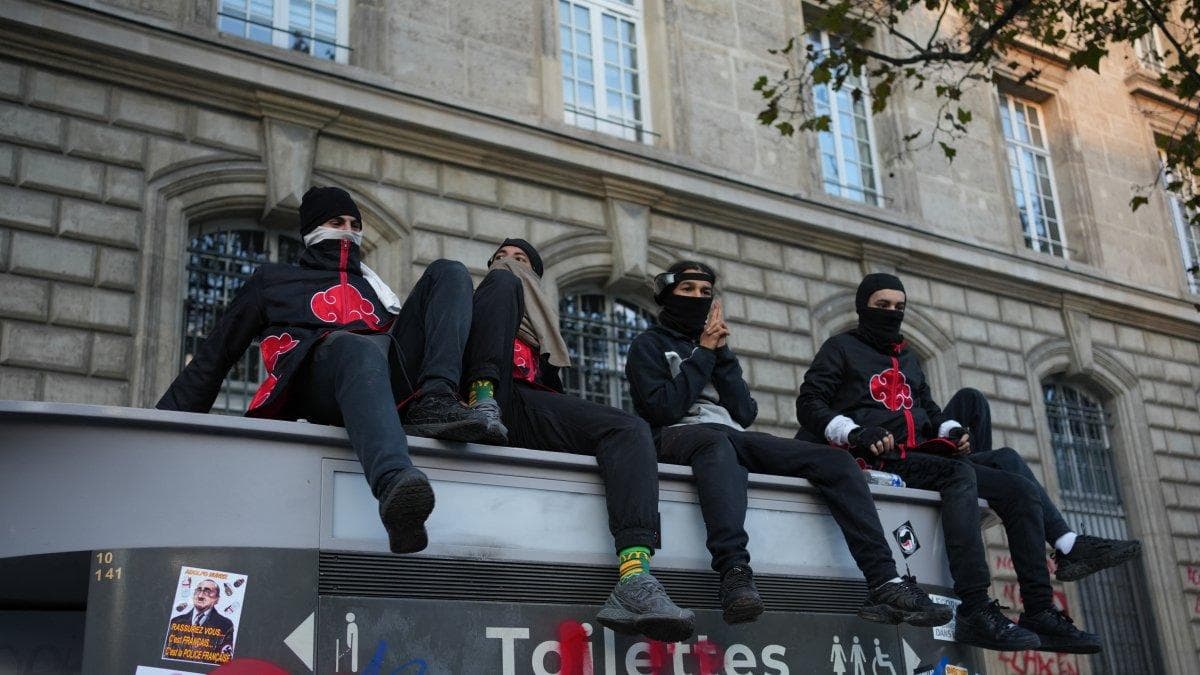
On the fringes of the marches, groups of "black bloc" activists—composed of hooded youths dressed in black who organize in a coordinated manner to vandalize property and confront the police—were active. Recruitment takes place mainly through TikTok, from where participants are redirected via QR codes or links to closed Telegram and WhatsApp groups.
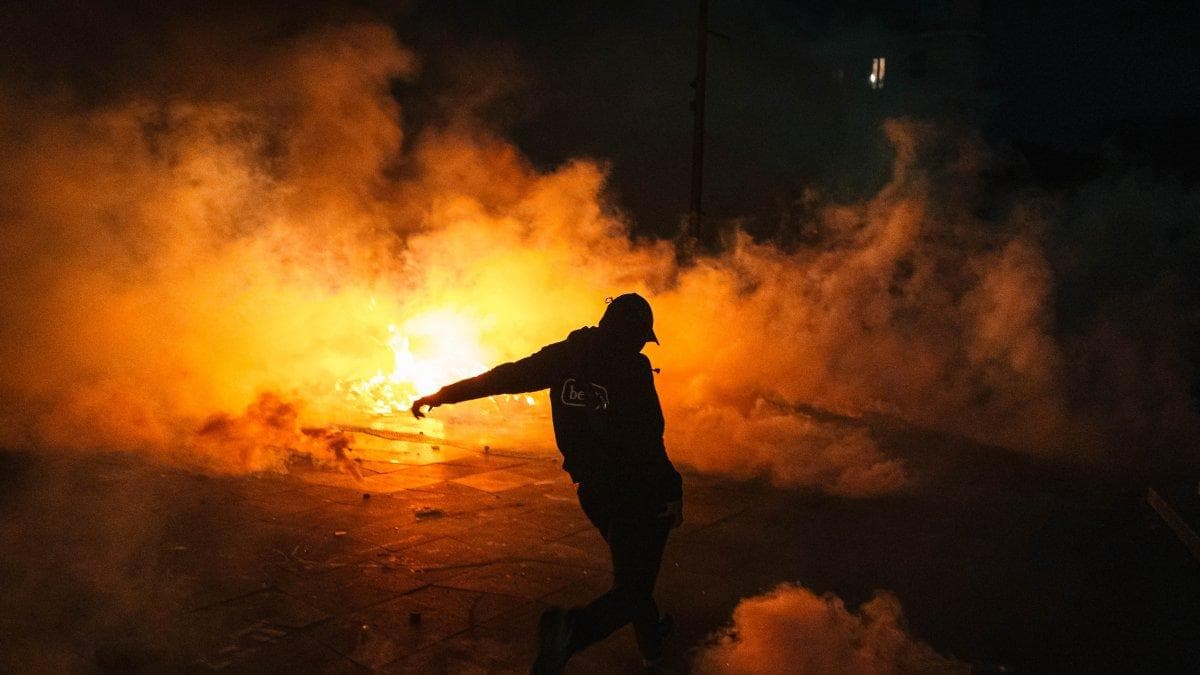
"Blocus" case in Spain
The same pattern was replicated in Spain. An anonymous platform called "Blocus," which takes its name from the French student protests, used TikTok to call on young people to take to the streets "just like in France." On Oct. 24, the call materialized in Barcelona with looting, fires and clashes with the Mossos d'Esquadra, resulting in more than 120 arrests, most of whom were minors. The official tally also included 23 vandalized businesses, 33 fires, and between 14 and 15 injured police officers
Chief Superintendent Sílvia Catà noted that no organized criminal structure had been identified, but rather "individuals responding to calls circulating on social media under the hashtag 'Blocus.'"
Following that day's riots, new calls to action emerged for Oct. 31 in Madrid, Barcelona, Bilbao, Málaga, Valencia, Alicante and other cities, with messages urging participants to take advantage of the date and wear masks and gloves. Posters for Nov. 30 also circulated. In Madrid, Blocus ultimately called off the protest, citing police pressure, although law enforcement maintained its security presence.
What is the "black bloc"?
The black bloc is not an organization or a group with leaders, names or membership cards, but rather a protest tactic. It consists of showing up at demonstrations dressed in black, with faces covered, and acting as a unified bloc, making it difficult to distinguish who is who and to hold individual participants accountable. This uniformity aims to protect anonymity, hinder police work and allow small groups to act in a coordinated manner, sometimes engaging in vandalism, clashes with the police or attacks on property.
The tactic originated in the early 1980s in West Germany, within "Autonomen"—a far-left, libertarian and anti-capitalist movement that emerged in the late 1970s—which used it to defend squats and confront the police during anti-nuclear protests. Its origins were influenced by the Italian autonomist movement of the 1970s, and since then it has spread to France and Italy, and now Spain, where it reappears regularly in student demonstrations, labor protests and counter-protests.
In all these cases, it has functioned as a form of collective action without a formal structure, since there is no central command, but rather small groups that coordinate on the fly and dissolve into the crowd.
"Black bloc" in the United States
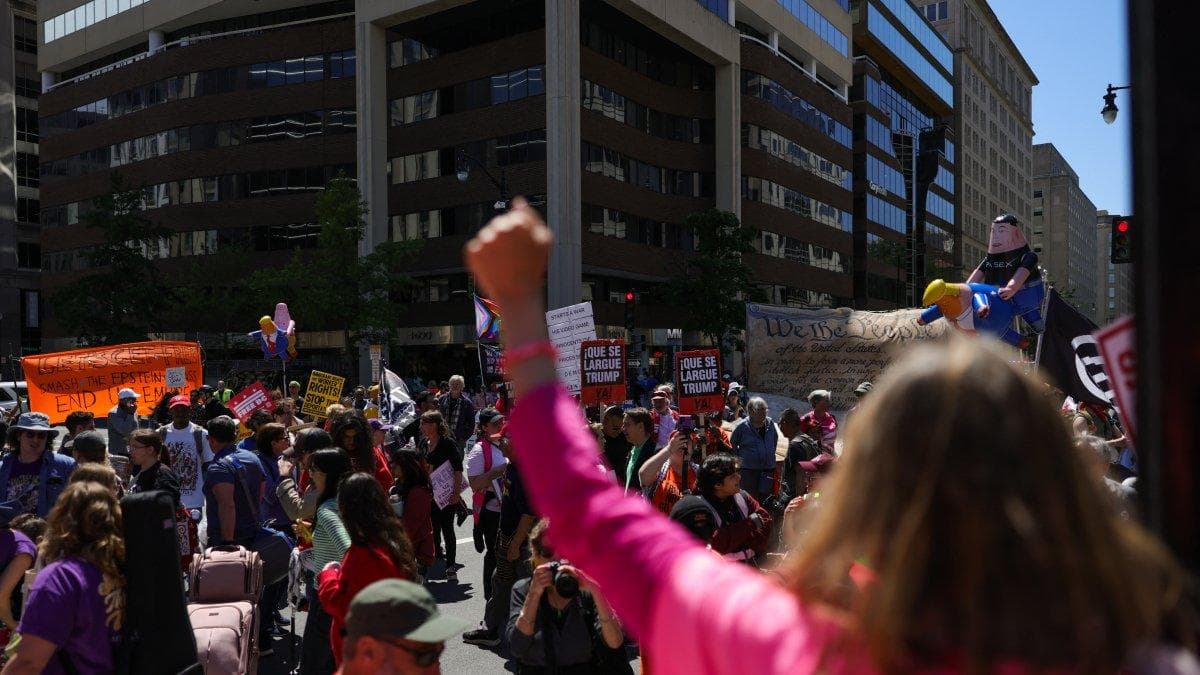
The black bloc tactic took hold in the United States during the protests against the World Trade Organization summit in Seattle in November 1999. A group of anarchists dressed in black and with their faces covered smashed the windows of large chain stores while the bulk of the demonstration blocked the streets nonviolently. That day, known as the "Battle of Seattle," brought the method to international attention.
Since then, it has resurfaced intermittently. During the Occupy Wall Street movement (2011–2012), it sparked intense internal debate over the use of property destruction. It resurfaced in 2017, during the protests surrounding Donald Trump's inauguration and the Berkeley riots, and more widely in the summer of 2020, following the death of George Floyd, particularly in cities such as Portland, Ore., and Minneapolis.
As in Europe, this is not an organization with leadership or a formal structure, but rather a tactic of anonymity and coordinated action employed primarily by anarchists and sectors of the radical left, which dissolves once the protest is over.
From long-standing tactic to digital virality
What is truly new is not the black bloc tactic itself, but the way it is organized and disseminated today. The internet has turned a niche, localized method into a viral phenomenon, especially among young people.
TikTok serves as the public gateway. Videos, posters and hashtags are used to recruit participants and raise awareness of the call to action. In the case of Blocus, an anonymous platform that takes its name from the French word for "blockade" and emerged in October 2026 as a response to the French student protests, more than 20 anonymous profiles were activated in Spain in just 48 hours, and one of them even posted nearly 60 videos in two days, according to a report by Newtral.
From there, QR codes or links redirect users to closed Telegram and WhatsApp groups. In these groups, specific instructions are shared regarding black clothing, balaclavas, fireworks, routes, schedules and targets. The main groups identified are based in Barcelona and Madrid. Each had around 700 participants and was accessed via an invitation shared on TikTok.
Thus, what once depended on in-person activist networks has transformed into a digital chain of recruitment, coordination and execution that can be replicated in any city with just a cell phone.
🛠 Do you think there is an error in this article?
Recommendations



LATEST