ANALYSIS
La France Insoumise: The far-left party, linked to the DSA and the Latin American left, which the French government accuses of being behind the violent protests
"The DSA is our American counterpart; we have ties with them," a representative from LFI said after Mamdani won the New York City mayoral election. LFI is a party that critics say supports Chavismo and Castroism.
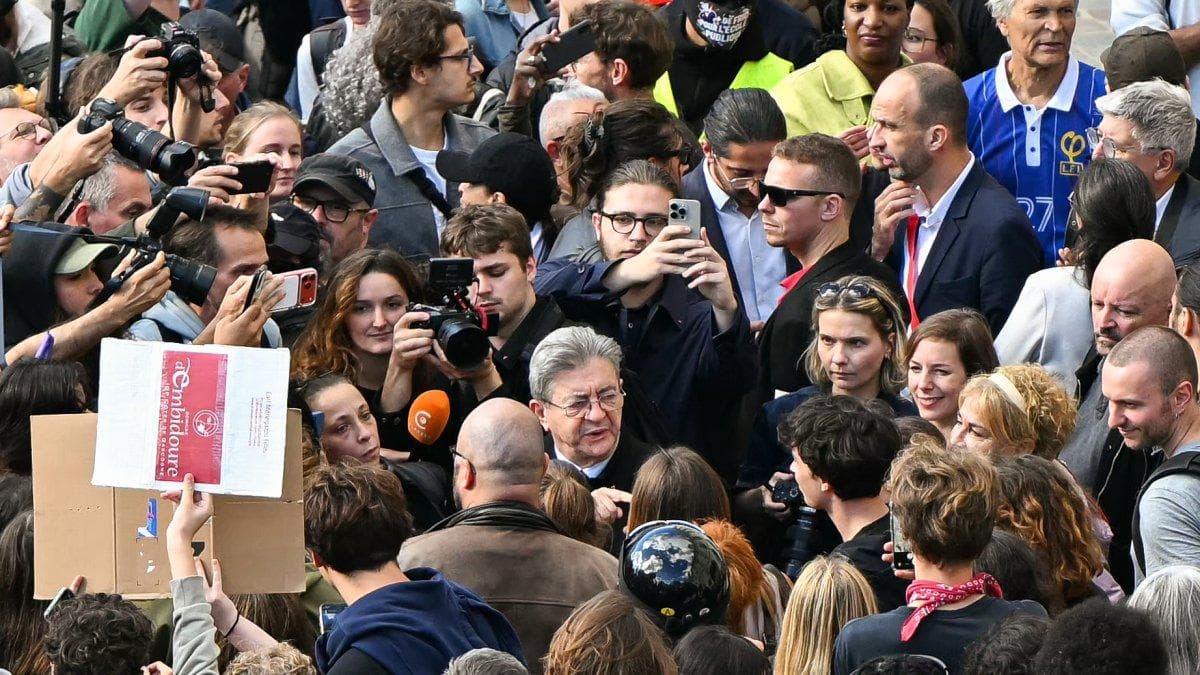

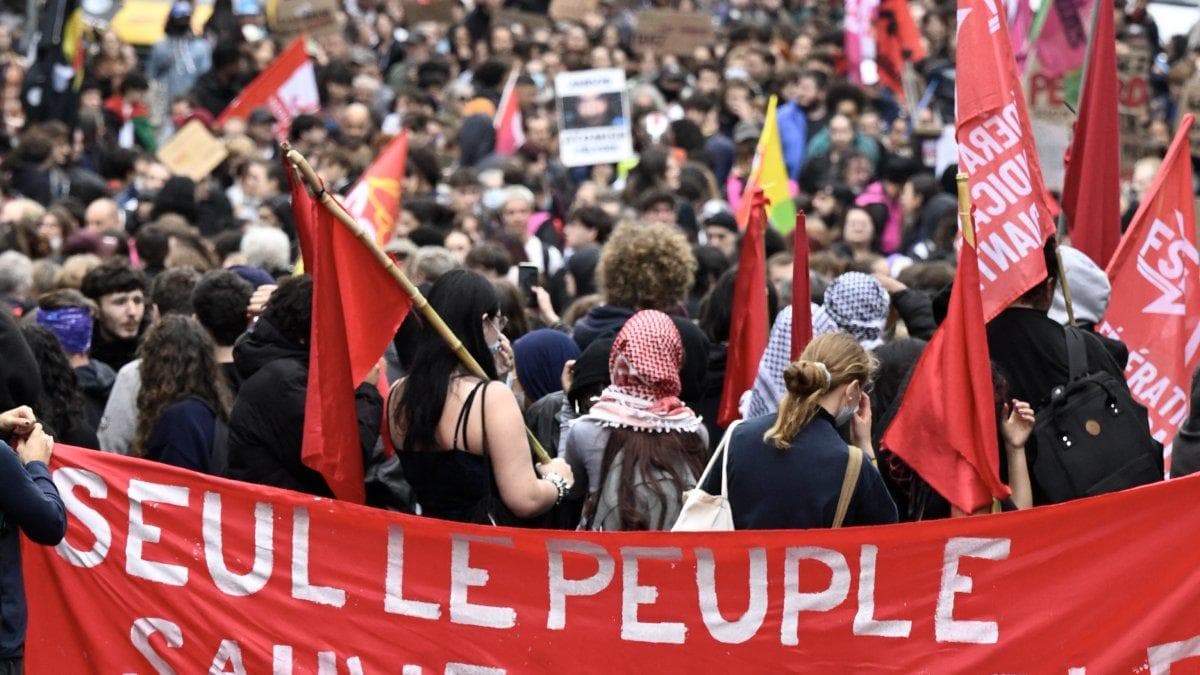
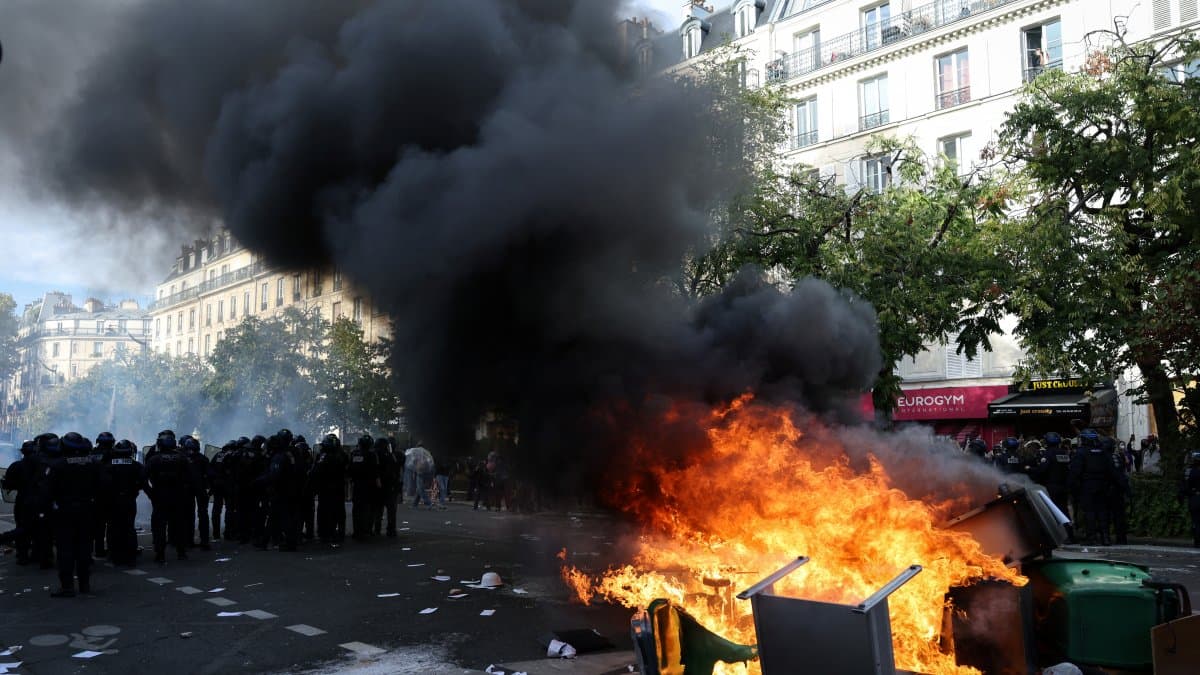
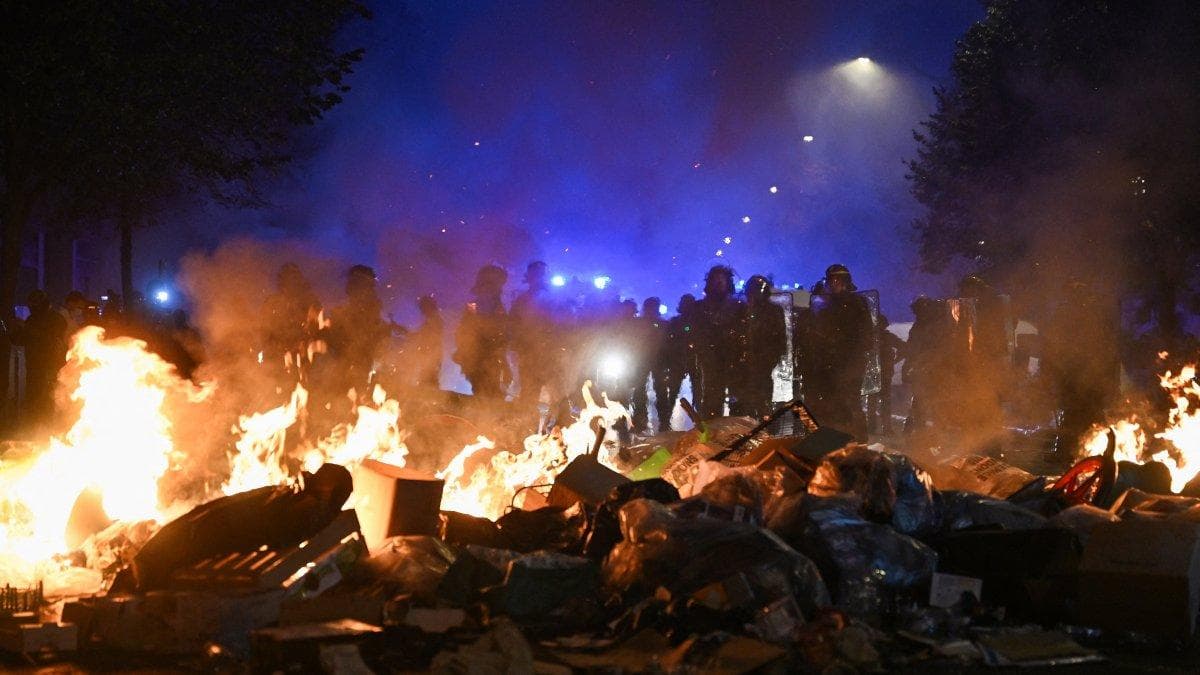
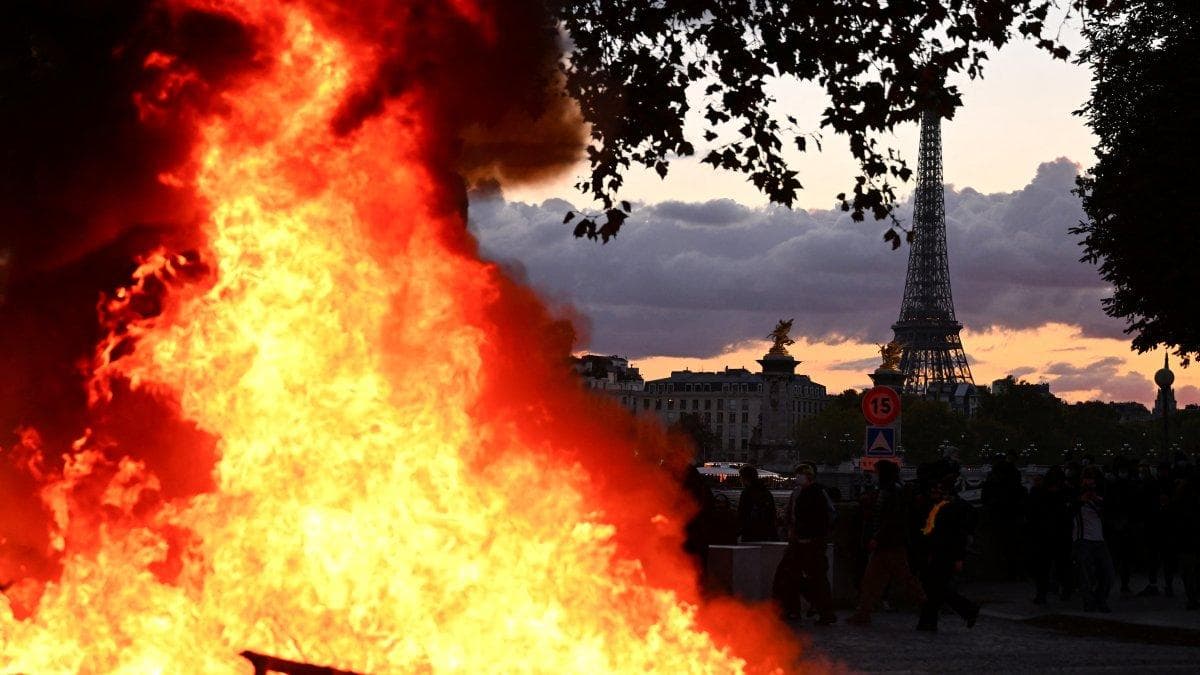
In France, the protests supposedly against the cost of living that began on the 17th have so far resulted in an official tally of 2,397 arrests and 997 injured police officers and gendarmes, seven of whom are in serious condition, according to the Ministry of the Interior. The Limoges City Hall was largely reduced to ashes after an arson attack, and hundreds of businesses were looted or damaged in Paris, Marseille, Lyon, Bordeaux, Rennes and other cities.
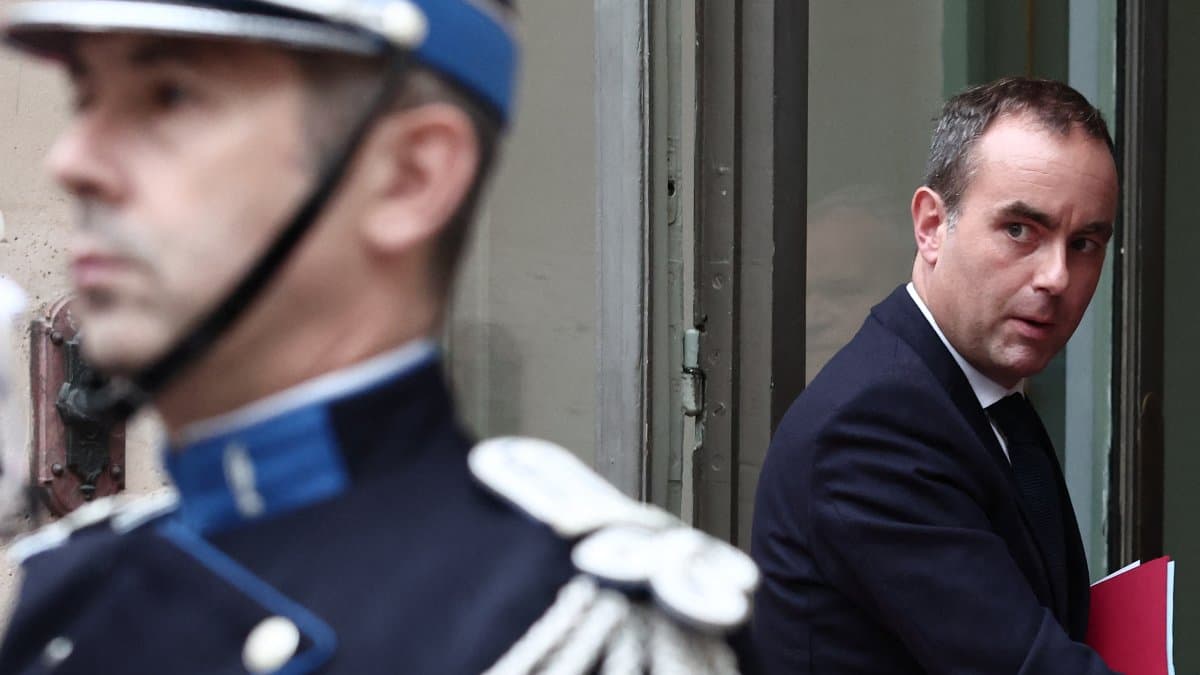
The government of Emmanuel Macron has pointed the finger at the far left, and in particular at La France Insoumise (LFI) led by Jean-Luc Mélenchon, a party with ties to the Democratic Socialists of America (DSA), as one of the parties responsible for a political climate that turned a social mobilization into a challenge to the republican order.
During the protests, Prime Minister Sébastien Lecornu, stated on X: "Far-left groups have organized violence in several cities across France; criminals have mingled with them to loot and destroy." The following day, in statements reported by La Dépêche, he demanded that LFI clearly define its position. Between law enforcement and vandals, "you have to choose a side," he stated. "Either you're on the side of the Republic, and therefore on the side of law enforcement and those who protect people and property and enforce the law, or you're on the side of the vandals, or on the side of those who have a violent agenda against the Republic."
Most protesters took to the streets peacefully on Saturday to demand higher wages, greater purchasing power and better public services. However, the violence perpetrated by radical groups was not an isolated incident and was aligned with political rhetoric, particularly from LFI and other sectors of the far left, that for years has portrayed the state, the police, and institutions as the enemy.
The responsibilities of LFI's senior leaders
Jean-Luc Mélenchon, 75, is the leader of LFI and its candidate for the 2027 presidential election. He founded the party in 2016 and has built its political strength on a narrative of constant rupture: the people versus the elites, the left versus the system, the streets versus the institutions.
Mélenchon participated in the Paris demonstration on the 17th, leading the LFI contingent alongside MP Mathilde Panot. His presence was intended to capitalize on social unrest, but it also placed the party at the center of a public order crisis that it has been unable to defuse.
In the hours following the riots, the LFI leader issued a series of confrontational statements. Thus, on X he wrote: "In Paris, the aberrant leadership has opened the door to chaos. The leaders no longer know what to do; the troops are afraid and running amok." That same day he accused Lecornu of having “played with fire” and of being “just a commissioner who is provoking a regime crisis.”
"As for the police, you should ask yourself: this government has caused the unrest with its absurd and incompetent decisions," added the leftist.
In his appearance on the 18th on the LCI network, Mélenchon described the prime minister a "pathetic guy who heads a government that no longer controls anything" and reiterated that "the police are following absurd orders." When asked about the injured police officers, he replied that this was part of “the risks of the job,” a phrase that reveals a lack of basic empathy toward those who risk their safety to protect citizens and public property.
At the same time, Mélenchon called on those who share his cause to "have no part in looting or destruction" and claimed to have called for nonviolence. The problem is that this condemnation comes too late and rings hollow when accompanied by rhetoric that systematically blames law enforcement and the government for having "orchestrated the unrest."
Mélenchon and the American left
In April 2025, Mélenchon traveled to New York and participated in an event organized by the city's DSA chapter. The event, titled "Fight Trump and the Far Right, Build the Left," featured former Congressman Jamaal Bowman and City Councilmember Tiffany Caban, both of whom are affiliated with the DSA. NYC-DSA itself described the gathering as a continuation of the "special relationship" between the two organizations.
During that visit, Mélenchon also referred to the mobilization by Bernie Sanders and Alexandria Ocasio-Cortez against Donald Trump, and expressed interest in meeting with AOC. He also endorsed the candidacy of Zohran Mamdani, then a candidate for mayor of New York and affiliated with the DSA.
Following Mamdani's victory, LFI Representative Clémence Guetté stated: "I express our joy and my congratulations to our allies at the DSA, the Democratic Socialists of America, who have won the mayoral race in one of the largest cities on the planet."
"The DSA are our American counterparts; we have ties with them," said Clémence Guetté.
Manon Aubry accuses the police of "maiming"
MEP Manon Aubry, of LFI and chair of one of the left-wing groups in the European Parliament, has maintained a confrontational stance toward law enforcement in France. In the weeks leading up to the 17th, during the violent high school student protests that began in mid-September, wrote on X that "the police maim" and that "all lethal weapons that have maimed our children must be immediately banned." She also stated that "France is the only country in Europe that fires explosive ammunition at its protesters" and called on the European Union to condemn this "police violence."
One might wonder which side is responsible for the violence when, according to figures from the Ministry of the Interior as reported by FranceInfo, the high school student protests that began in mid-September left 937 police officers and gendarmes, 248 students and 149 members of the educational staff injured, at least 24 schools set on fire or looted, and damage estimated at a minimum of 30 million euros (nearly $34 million).
On the 17th, Aubry participated in the Paris demonstrations and told Euronews: "I have never been in favor of violence in any form, but neither do I support the police using weapons of war against children." She later blamed the government for having “organized the disorder” and maintained that Macron's administration is responsible for the violence.
Aubry also posted a message on X in which she addressed Interior Minister Laurent Nuñez, calling him "the mutilator." With that expression, she held the politician responsible for internal security accountable for the injuries sustained by protesters, especially young people, due to the security forces' use of crowd-control weapons.
World
France: The left capitalizes on student anger as government gives in to demands
Carlos Dominguez
Rima Hassan: The most radical wing of LFI
Rima Hassan, a member of the European Parliament for La France Insoumise, was born in 1992 in the Palestinian refugee camp of Neirab, near Aleppo, Syria; she arrived in France as a child and obtained French citizenship. A lawyer by training, she has become one of the party's most radical voices on foreign policy, particularly in defending the Palestinian cause.
Hassan has repeatedly argued that Hamas's actions on Oct. 7, 2023, were "legitimate from the standpoint of international law," although she has qualified this by stating that civilian casualties were morally unacceptable. Her positions have been denounced by opponents as a form of trivializing terrorism.
In March 2026 <span>s</span>he posted a quote on X, which she later deleted, attributed to Kozo Okamoto, one of the perpetrators of the 1972 attack at Tel Aviv airport that left 26 dead: "I have dedicated my youth to the Palestinian cause. As long as there is oppression, resistance will not only be a right, but a duty." The message was flagged by the Ministry of the Interior, the LICRA and the European Jewish Organization. Hassan was arrested and is currently on trial in Paris for glorifying terrorism. The trial, which began on Oct. 19, 2026, could result in a prison sentence of up to seven years.
She was also involved in an incident at the European Parliament when she removed an Israeli flag during an exhibition commemorating Oct. 7. For conservative circles, Hassan's track record illustrates how LFI, on its most radical flank, normalizes or downplays forms of political violence when they are framed within certain causes.
Society
Trump blames unrest in France on mass immigration and says, 'it's not about the schools'
Diane Hernández
Mélenchon and the Latin American left
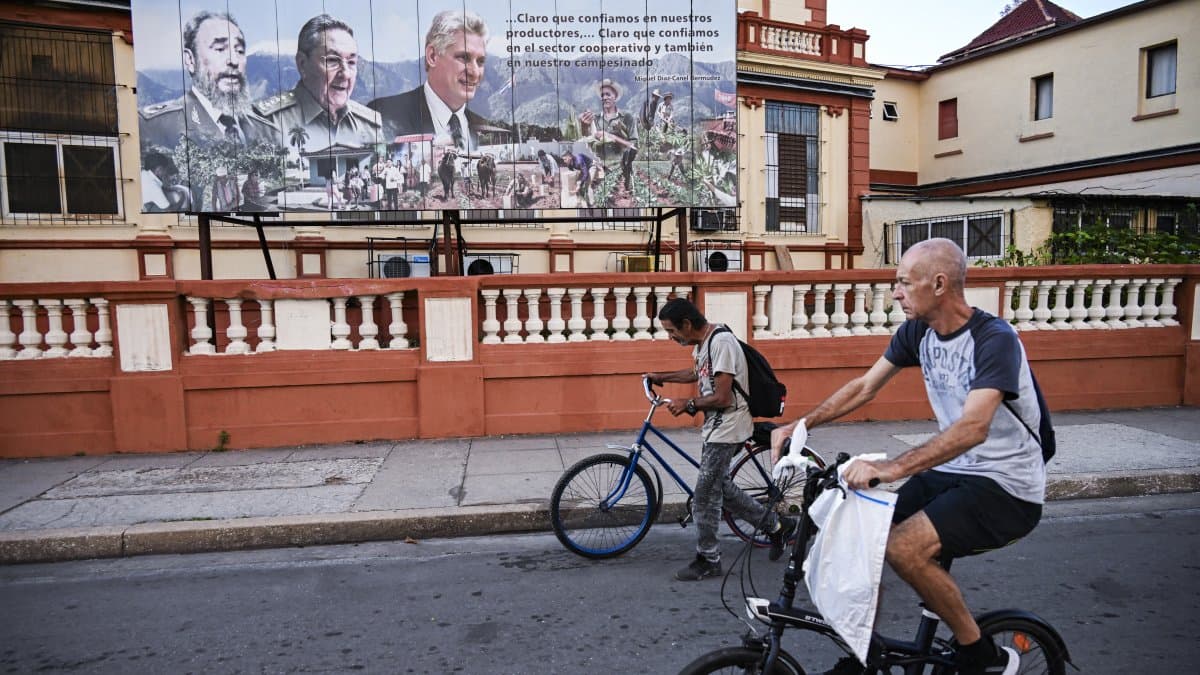
Regarding Cuba, Mélenchon organized a tribute to Fidel Castro in Paris in 2016, at the foot of the statue of Simón Bolívar, during which he recalled Cuba's medical aid during disasters and the U.S. embargo. In subsequent years, he has expressed "friendship and affection" for the Cuban people and has called on France to fulfill its commitments to the island, particularly regarding energy. He has also repeatedly defended the Cuban regime's resistance to U.S. "imperialism."
Regarding Nicaragua, Mélenchon wrote an essay in 2006 praising the legacy of the Sandinista revolution and criticizing the U.S. intervention of the 1980s. To date, he has not issued any notable public condemnations of the regime of Daniel Ortega, unlike other sectors of the European and Latin American left that have rejected Ortega's announcement to eliminate elections.
These positions are part of Mélenchon's international track record, as he has repeatedly cited the "citizens' revolution" and Latin American movements as models for his political project in France.
🛠 Do you think there is an error in this article?
Recommendations
LATEST