Lula wins fourth term in Brazil after historic comeback as Flávio Bolsonaro rejects election results
President da Silva’s victory marks the first time in Brazilian history that a presidential candidate who finished second in the first round has gone on to win the runoff. Bolsonaro, meanwhile, said he would file a request to annul the results after the Supreme Court extended voting hours.
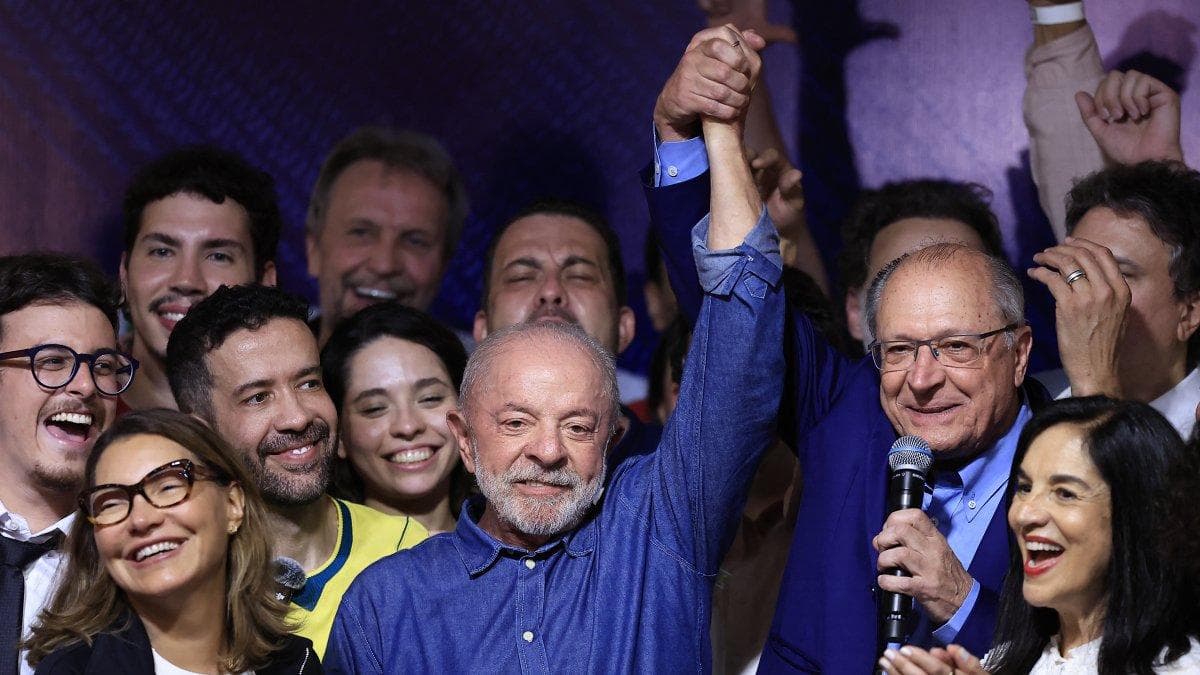

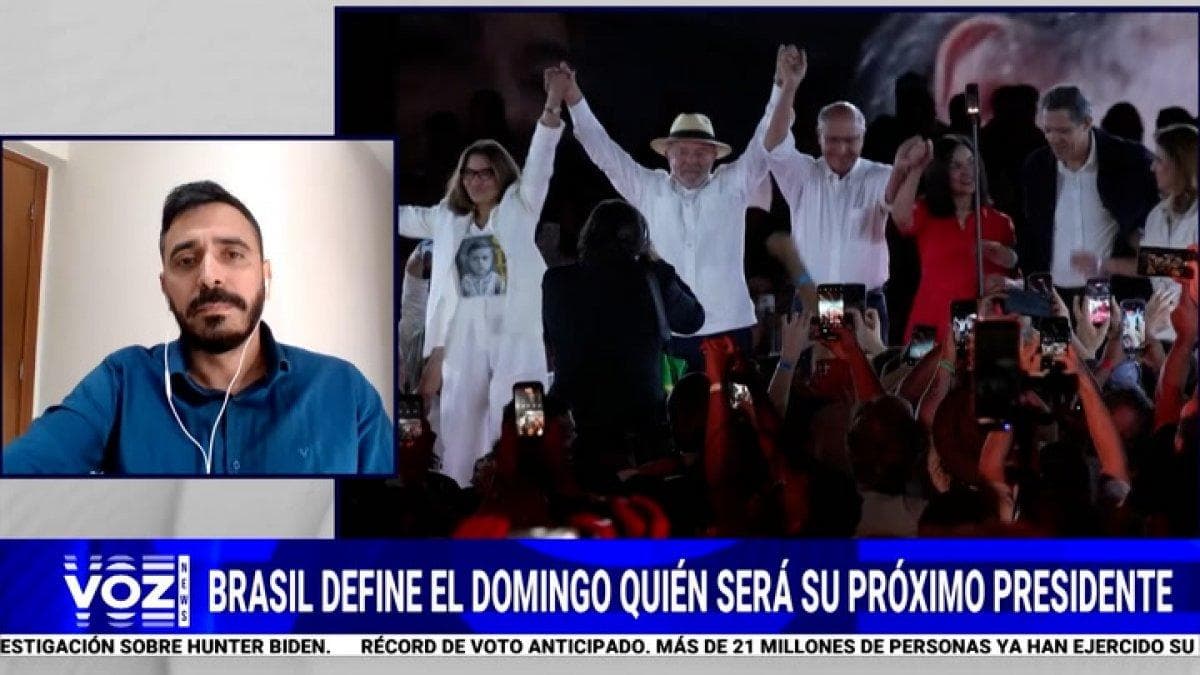
Luiz Inácio “Lula” da Silva won the presidential election in Brazil. The president prevailed in the runoff with 51% of the vote, compared to 48% for Flavio Bolsonaro, son of former President Jair Bolsonaro, who had emerged first in the first round on Oct. 4. With 99% of the votes counted, the margin between the two candidates was 4.4 million votes. Thus, da Silva, who is about to turn 81, was elected to his fourth term as president of the South American country.
President da Silva's victory marks the first time a Brazilian presidential candidate who finished second in the first round has gone on to win the runoff. Compared to the first round, da Silva gained 11 million more votes, while Bolsonaro gained only 3 million.
Unlike in the first round, Lula won the swing state of Minas Gerais (50.4% to 49.6%) and secured large margins in the northeastern states, his main electoral stronghold. In addition, he managed to narrow the margins in the most populous southern states, where Bolsonaro is strongest. The prime example is São Paulo, where he had received 38% in the first round and rose to 46% in the runoff. In Rio de Janeiro, he gained 900,000 more votes than in the first round and increased his share by seven percentage points.
However, da Silva will have to govern with a Congress that is markedly unfavorable to his party, the Workers' Party (PT). According to the first-round results, Bolsonaro's Liberal Party (PL) emerged as the largest force in both chambers. In the Chamber of Deputies, it increased its seats from 97 to 121 — the highest number held by a single party since 1988 — while the PT will have 70 deputies and 88 when counting its allies.
In the Senate, the PL won 19 of the 54 seats up for election and will hold 28 of the 81 Senate seats, compared to nine for the PT. Although the PL does not hold an absolute majority on its own in either chamber, Lula will need to negotiate with other parties to advance his legislative agenda.
The Brazilian Supreme Court's controversial decision during the election
In Brazil, polls close at 5 p.m. (Brasília time, the country's capital). However, minutes after polls closed, a Supreme Court justice, Cristiano Zanin, ordered voting to be extended by two hours, until 7 p.m., nationwide. According to the local media outlet O Tempo, this was the first time the courts had extended voting hours throughout Brazil. Zanin was Lula's lawyer before being appointed to the Supreme Court by the president himself.
The decision came after both campaigns requested an extension, albeit for different reasons and with varying scopes. Lula's party cited a lack of public transportation, rain and flooding that prevented some voters from reaching the polling stations, while Bolsonaro's campaign requested an extension only in 17 municipalities across three states. The Superior Electoral Court (TSE) had not yet issued a ruling when the Supreme Court's decision was handed down.
According to various local media outlets, the order caused confusion at many polling stations, as it arrived after many electronic ballot boxes had already been closed and sealed, making it impossible to reopen them. Given this situation, Zanin clarified that the extension would apply only to polling stations where the voting machines had not yet been closed. In those where voting had already concluded, the votes would be counted and tallied as usual. The counting of results was halted until after 7 p.m.
"At a polling site in central São Paulo, one election worker said that by 5 p.m. local time, she and her colleagues heard that the Supreme Court had ordered polling sites to remain open two more hours. However, local authorities ordered them to shut down. The worker, who gave her name only as Bárbara because she feared repercussions, said they eventually got orders to reopen by 6 p.m., but it was too late for many voters," reported The New York Times.
Priscilla Sodré Pereira, a lawyer specializing in election law, told the aforementioned publication: "This is an extremely serious, critical situation."
Flávio Bolsonaro: “It Is Impossible to Recognize the Validity of the Election”
Shortly after the vote count was completed, Flávio Bolsonaro said he would not recognize the election results. The presidential candidate questioned the Supreme Court’s intervention, describing it as “changing the rules of the game in the middle of the match.”
“Justice Zanin, who is not a member of the Superior Electoral Court, trampled on the specialized electoral justice system by making a decision that extended voting by two hours, something that had never happened in Brazil’s history. There was a complete breakdown of equal treatment for Brazilians in different cities across different states. I will never know how many votes I could have received in the states where polling stations were not reopened. What happened is inexplicable,” Bolsonaro said.
“And what I have to say here now is that it is impossible, impossible to recognize the validity of the election given the circumstances in which these events took place. We will file a request to have this election annulled,” he added.
🛠 Do you think there is an error in this article?
Recommendations

LATEST