Brazil: Last-minute extension granted by Zanin, Lula's former lawyer, reignites doubts about transparency of electoral process
The decision came in response to a request filed by Lula's campaign, which cited service reductions and disruptions in public transportation, initially in municipalities in Bahia and later in other states.
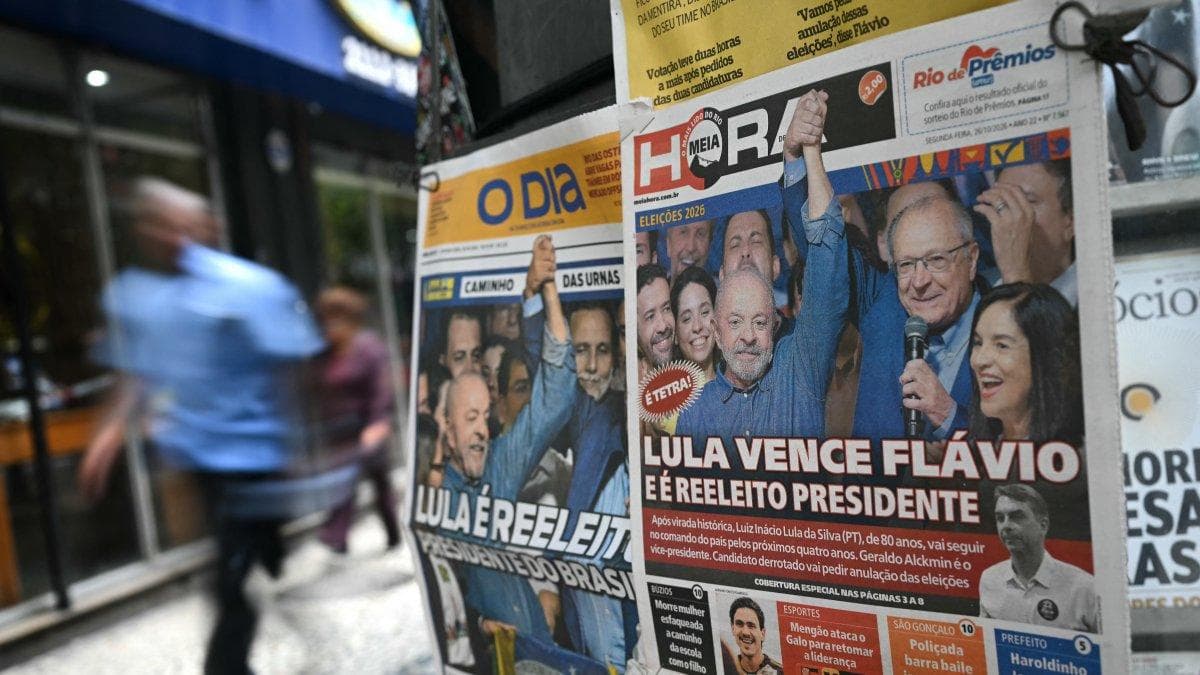

The court's decision to extend voting by two hours in Brazil's presidential runoff offered an uncomfortable lesson for anyone who believes in electoral predictability, as a last-minute measure can lead to confusion, institutional criticism and suspicion—even when, for the time being, there is no evidence that it altered the outcome.
Supreme Federal Court Justice Cristiano Zanin, who served as Luiz Inácio Lula da Silva's personal attorney for years and was appointed by the president himself to the highest court, ordered that polling stations remain open until 7 p.m., two hours past the scheduled time. The measure applied to polling stations that were still open; there is no evidence that it reopened ballot boxes that had already been closed.
The decision was in response to a request filed by Lula's campaign, which cited reductions and disruptions in public transportation, initially in municipalities in Bahia and later in other states. The measure came after some polling stations had already closed and the national count had begun, forcing a temporary pause in the vote tally.
Extension without clear legal basis
The president of the Superior Electoral Court, Kassio Nunes Marques, publicly acknowledged that the extension was unprecedented in the institution's history and that it caused technical and operational difficulties. He stated that extending an election is possible, but "it must be carefully considered, calculated and structured." In practice, this amounts to a change in the rules in the middle of the electoral process, decided by a justice of the Federal Supreme Court who had previously served as a lawyer for the candidate who benefited from the extension.
International media outlets such as Reuters reported warnings from experts that, had the final margin been very narrow and had certain areas benefited disproportionately from the extended voting hours, the situation could have led to legal challenges regarding the validity of the result.
"Depending on the election result, there is a possibility that the losing side might attempt to contest the outcome, arguing that many people were unable to vote even with the extended deadline," stated Vera Chemim, a constitutional lawyer from São Paulo, in remarks reported by Reuters.
The combination of an impromptu extension, the confusion at the polling stations and the lack of a specific regulation authorizing the extension has fueled mistrust among broad sectors of the opposition, who believe the episode raised questions about basic principles of legal certainty and electoral transparency.
Observers, visas and sovereignty
The controversy over transparency did not begin on Election Day. In July 2026, the Lula administration denied visas to two officials from the State Department, Riley M. Barnes and Samuel Samson, who had planned to travel to Brasília to meet with officials, religious leaders, and civil society representatives to discuss electoral integrity, religious freedom, and freedom of expression.
Brasília justified the measure by citing a "risk of political exploitation" and possible foreign interference in the October elections. The State Department rejected that characterization, described the visit as routine and denied that there was a plan to undermine Brazilian democracy.
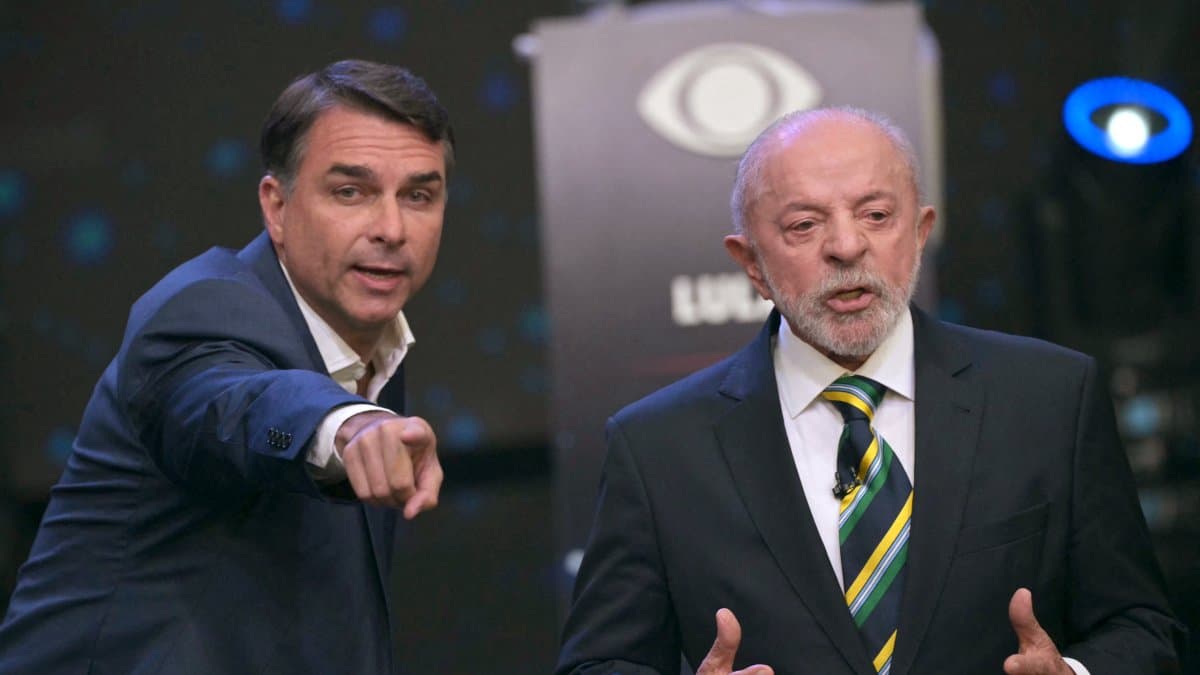
The incident occurred amid tensions with the conservative opposition. Senator Flávio Bolsonaro had been in contact with foreign diplomats and had questioned the reliability of the electronic voting system. For Lula's government, the U.S. visit was part of an attempt to validate doubts about the voting machines; for Washington, it was a routine mission aimed at dialogue.
Bolsonaro's reaction
Lula won with 51.79% of the valid votes, compared to Bolsonaro's 48.21%, a difference of more than 4 million votes. That margin makes an annulment legally unlikely, according to analysts cited by Reuters; furthermore, Bolsonaro's own campaign had also requested an extension of voting hours in municipalities in Minas Gerais, Rio Grande do Sul, São Paulo, Paraná and Santa Catarina due to rain, flooding and power outages—not because of the same transportation issues cited by Lula.
🛠 Do you think there is an error in this article?
Recommendations
LATEST