Trump's new environmental shift: Less federal protection for endangered species
A new directive states that the accidental death of protected animals will not be considered illegal in many cases if there was no direct intent to kill or capture the animal.
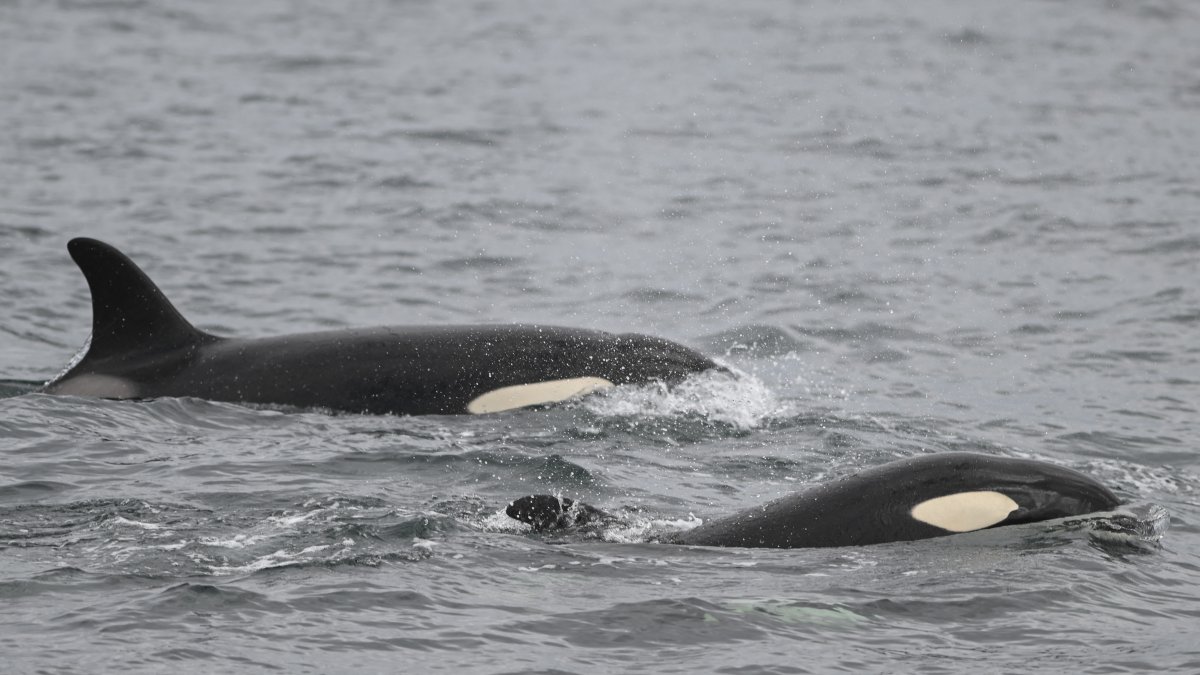
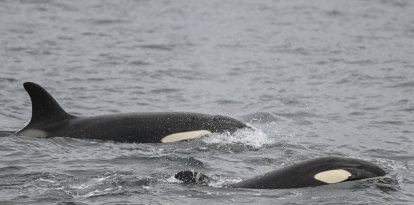
A view of an orca, also known as a killer whale, in the North Sea

President Donald Trump’s administration has adopted a new interpretation of the Endangered Species Act that will significantly limit the cases in which the accidental killing of protected wildlife can be prosecuted by federal authorities.
The measure appears in a memorandum dated September 14 and signed by Brian Nesvik, director of the U.S. Fish and Wildlife Service (FWS). The Department of the Interior confirmed the document's authenticity to AFP.
The new directive states that for certain actions to be considered an illegal capture, killing, or harm—which U.S. law encompasses under the term "take"—there must be conduct intentionally directed against a specific animal. The memorandum represents a further step after the government eliminated the regulatory definition of "harm" from the law in July.
Accidental deaths exempt from the ban
The document provides several examples to illustrate the new criteria.
"A vessel that inadvertently strikes a whale has not taken it," the memorandum states, because the vessel's course would not have been set with the intent to strike the animal.
Similarly, cutting down a tree would not be considered a violation for the death of bats inside it, unless the tree was cut down specifically with the intent to kill or capture those animals.
The Center for Biological Diversity, which published the memo, argues that this interpretation could exclude from the scope of the law numerous foreseeable deaths resulting from economic activities, such as commercial fishing, logging, or maritime traffic.

Society
USDA lifts restrictions in two areas of Texas after containing New World screwworm
Diane Hernández
The government advocates a stricter interpretation of the law
The Department of the Interior had already advocated in July for the removal of the definition of "harm," arguing that the interpretation used for decades unduly expanded federal authority and could infringe on private property rights.
The Fish and Wildlife Service asserts that the law's protections remain in effect, albeit under a more limited interpretation of the conduct subject to penalties.
LATEST