Who is Alejandro Betancourt, the Venezuelan tycoon who went from being under investigation in three countries to becoming Trump's 'oil man' in Venezuela
Controversy aside, Betancourt managed to position himself as a key channel of communication between Caracas and Washington.
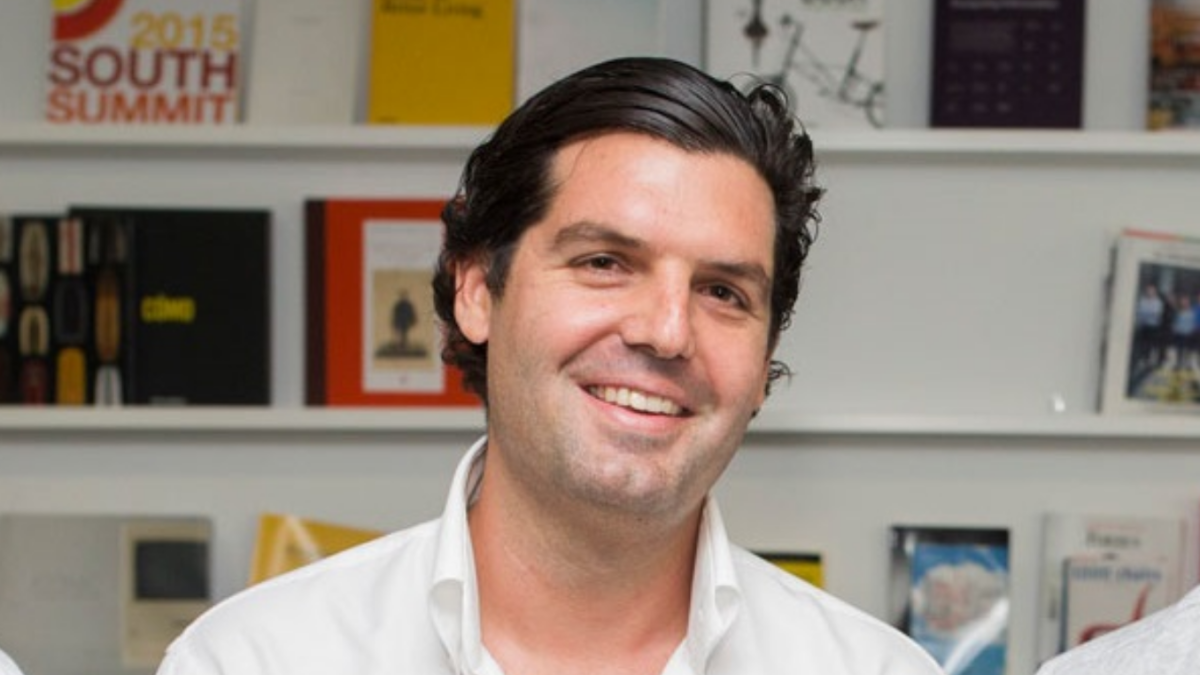
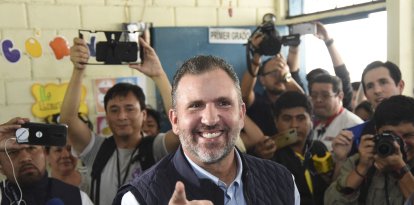
Alejandro Betancourt.

The multibillion-dollar oil deal announced between the United States and Venezuela to exploit the South American country's vast reserves has once again brought one of the most controversial figures in Venezuelan finance into the public spotlight: Leopoldo Alejandro Betancourt López.
At 46, the businessman heads North American Blue Energy Partners (NABEP), the private firm that secured preferential access to 17 oil fields and 100-year concessions under the direct supervision of the Pentagon.
Although critics and the Venezuelan diaspora point to him as a representative of the elite that grew rich under Chavismo, the U.S. administration justified the alliance on the grounds of operational pragmatism.
"I'm not holding anyone up as a saint here. What I'm telling you is that this is a person who, in the past, has been useful to the U.S. government," a senior White House official admitted bluntly during a conference call with reporters.
The shift from opaque contracts to the oil sector
Betancourt's fortune and public profile were solidified in the early 2010s through the company Derwick Associates.
Amid Venezuela's severe electricity crisis, the firm secured government contracts worth an estimated $5 billion to build thermoelectric power plants without a bidding process, despite having no prior experience in the energy industry.
Investigations conducted by independent organizations such as Transparency International estimated that Derwick engaged in overbilling totaling nearly $2.9 billion.
Furthermore, the company was heavily criticized for acquiring and installing used and defective turbines that failed to stop the recurring blackouts that brought the country to a standstill. In Venezuela, public opinion dubbed Betancourt and his partners "bolichicos," a derogatory term for young businessmen who amassed enormous fortunes through their ties to the Chavista political establishment.
Subsequently, Betancourt diversified his investments by acquiring stakes in oil fields in western Venezuela, assets that formed the basis for establishing NABEP, and by investing in European companies such as the eyewear firm Hawkers and the transportation licensing company Auro.
Legal scandals and the use of political influence
Over the past decade, Betancourt's financial transactions have drawn scrutiny from judicial authorities in the United States, Spain, and Switzerland, linked to a $1.2 billion money-laundering scheme that led to federal charges against his cousin, Francisco Convit.
In 2019, after being identified in court documents as an unindicted co-conspirator, Betancourt retained Rudy Giuliani to arrange high-level meetings with the Department of Justice.
The judicial scrutiny reached a critical point when Swiss authorities ordered a search of his office in Madrid and his luxury property in Spain, El Alamín Castle, valued at $30 million. However, the investigation was halted by the urgent demands of energy diplomacy.
This spring, high-ranking U.S. officials—including then-Attorney General Pam Bondi—intervened by phone with Swiss authorities to request that they halt the legal proceedings that were preventing Betancourt from traveling from the United Kingdom to Washington to conclude the oil negotiations.
By May, Swiss authorities temporarily suspended their extradition proceedings, allowing him to retrieve his passports and obtain a multiple-entry visa to the United States.
The pragmatic intermediary on the geopolitical stage
Beyond the controversy, Betancourt managed to position himself as a key channel of communication between Caracas and Washington.
During Donald Trump's first term, he established ties with Mauricio Claver-Carone, then director for the Western Hemisphere at the National Security Council. From that position, he served as a liaison between the Venezuelan opposition, figures within the Chavista regime, and high-ranking military officials.
His role proved instrumental during the events early this year that culminated in the capture of Nicolás Maduro.
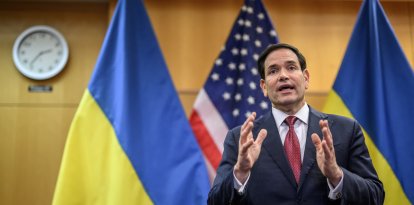
According to reports from Axios, Betancourt was tasked with contacting Delcy Rodríguez to ease tensions following the dictator's arrest and persuade her to assume the interim presidency and engage in direct dialogue with Secretary of State Marco Rubio. "Without Betancourt, there is no energy security agreement. And Maduro might still be in power if it weren't for him," an official source told Axios.
The energy pact, structured in mid-August, allows Betancourt's firm to access 17 oil fields under U.S. military protection, under which the United States receives 20% of the crude oil at production cost.
Although the administration defends the deal as a triumph for national security, various analysts and Venezuelans in exile see the agreement as enshrining the impunity of a financial operator who knew how to turn his questionable background into a valuable geopolitical bargaining chip.

Politics
ICE expands its strategy of deportations to third countries by transferring more than 100 deportees to Africa
Andrés Ignacio Henríquez
Economy
Chevron, GE Vernova and other international companies prepare to sign key energy deals in Venezuela
Andrés Ignacio Henríquez
LATEST