






New escalation between the US and Iran: Washington sinks 5 tankers as Tehran strikes American base in Jordan
Hours before Tuesday's offensive, Iran had also claimed to have captured an unmanned underwater vehicle of U.S. origin in the strait.
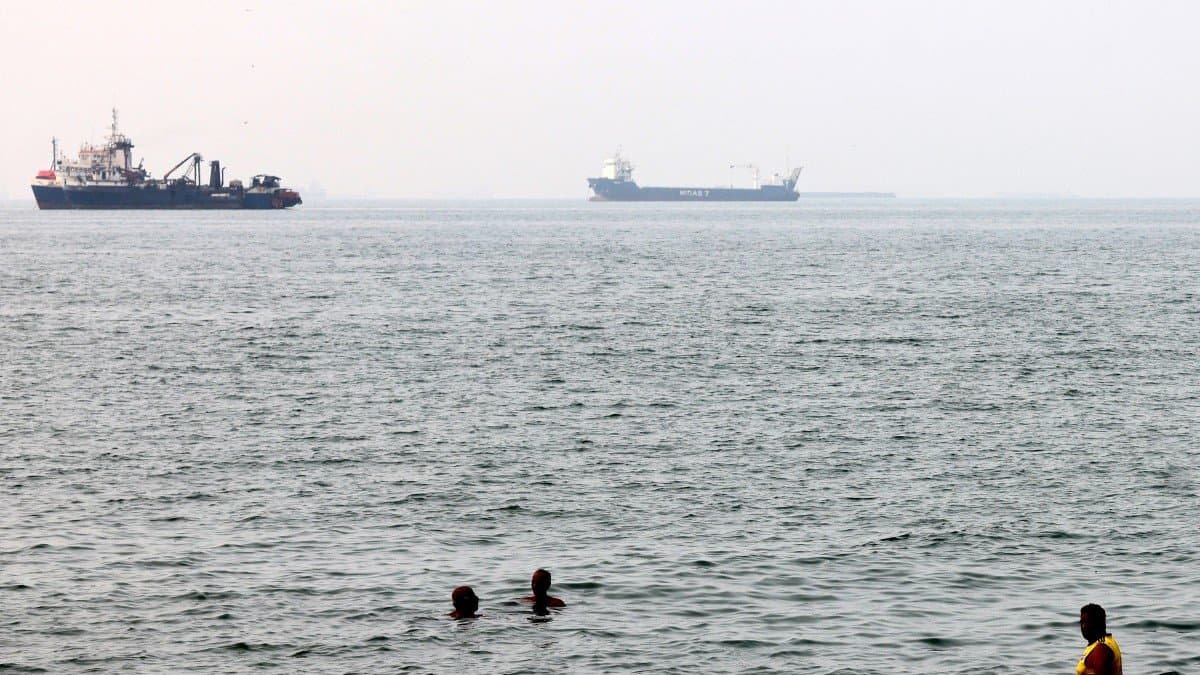

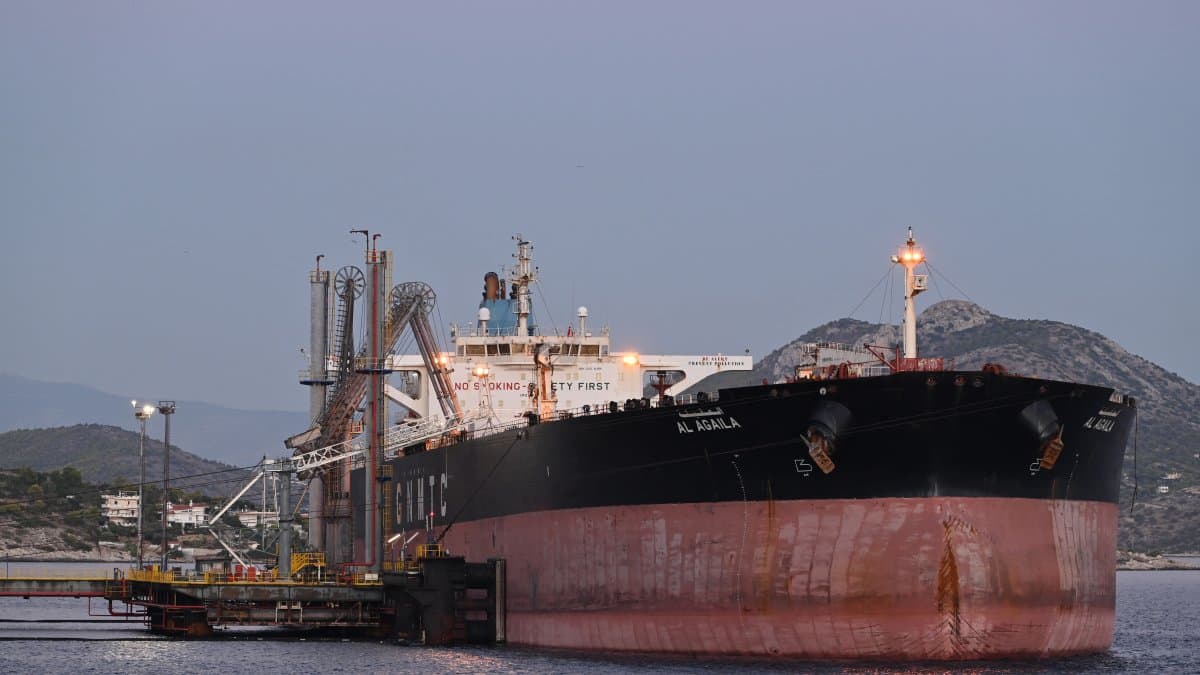
The United States and Iran exchanged blows again on Tuesday, in the latest episode of a conflict that has now lasted more than six months and has been marked by weeks of relative calm amid various, so far unsuccessful, dialogue efforts. U.S. military forces claimed to have destroyed five Iranian oil tankers in retaliation for attempted attacks on a Navy warship, while Tehran responded by once again launching missiles at a U.S. base in Jordan.
The U.S. Central Command (CENTCOM) confirmed in a statement that it attacked four crude oil tankers used by the Islamic Revolutionary Guard Corps in the Gulf of Oman, and a fifth vessel near Kharg Island, the epicenter of Iran's oil industry. According to the agency, these ships were "part of a multibillion-dollar shadow network that" finances the Revolutionary Guard and its regional allies. CENTCOM specified that the offensive came after Iran fired ballistic missiles at a U.S. warship on two separate occasions within a two-day span.
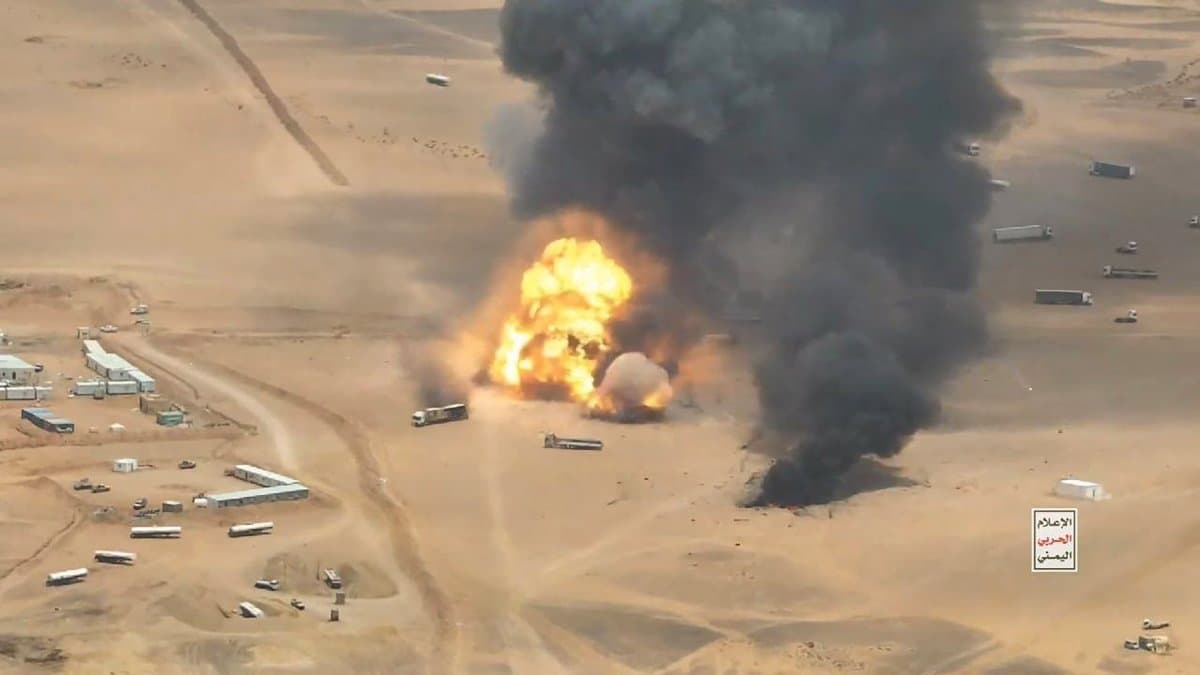
On the Iranian side, state media confirmed the attacks off the coasts of Kharg and Jask, another port city in the south of the country. The Revolutionary Guard vowed retaliation and warned oil tankers near Kuwait and Bahrain, countries that host U.S. troops, to evacuate their crews. Shortly afterward, it claimed to have carried out a "heavy missile strike" against a U.S. base in Jordan, a frequent target, and to have fired upon two Navy destroyers. As of this writing, CENTCOM had neither confirmed nor denied these claims.
Economy
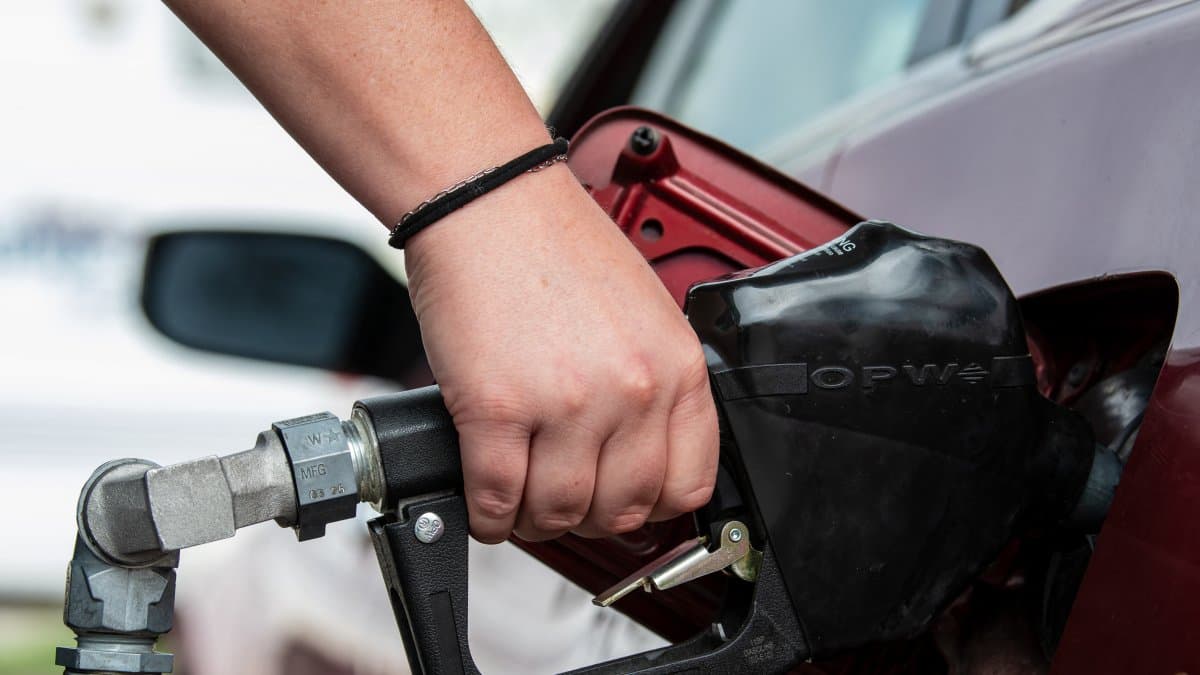
The Most Expensive Labor Day Ever? Gasoline Prices Surpass $4 and Diesel Hits an All-Time High
Andrés Ignacio Henríquez
Last Saturday, a similar cycle had already played out after CENTCOM reported that it had attacked three Iranian crude oil tankers following an attempt by Iran to strike two U.S. warships, while Tehran claimed responsibility for those attacks and stated that it had retaliated against six other vessels.
The conflict's underlying cause remains control of the Strait of Hormuz, a key route for global oil trade. Iran insists on controlling the passage of ships through the area, while the U.S. Navy continues to escort ships along an alternative route near Oman, a move that has triggered repeated attacks from Tehran. Hours before Tuesday's offensive, Iran had also claimed to have seized a U.S.-made unmanned underwater vehicle in the strait. Captain Tim Hawkins, a spokesperson for CENTCOM, responded that it was a drone with technical malfunctions—an older, "defective" model that was not collecting sensitive information or carrying classified technology—though he could not confirm whether Iran had in fact captured it.
The escalation comes just days after the United States bombed southern Iran in one of the most intense episodes of the conflict in recent weeks, with civilian casualties reported during an attack on a wedding. It also comes after nearly a month of relative calm, interrupted in late August by a new exchange of fire and warnings from President Donald Trump, who had indicated that the United States could attack "very soon" the so-called Pickaxe Mountain, a site Washington suspects houses Iranian nuclear facilities.
🛠 Do you think there is an error in this article?
Recommendations





LATEST